
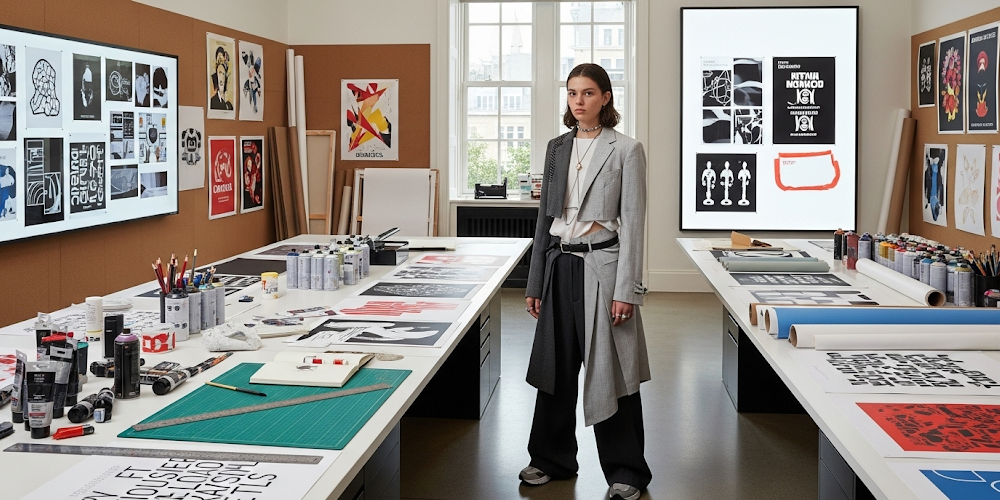
DIY poster design empowers creative individuals to produce professional-looking artwork without expensive software or formal design training. Whether you’re decorating your home, promoting a local event, or expressing artistic vision, handcrafted posters offer personal satisfaction and unique aesthetic appeal that mass-produced alternatives cannot match.
The rise of social media and Pinterest has sparked unprecedented interest in do-it-yourself creative projects. Statistics from the Craft and Hobby Association show that 73% of households participate in crafting activities, with paper-based projects ranking among the most popular categories for creative expression.
Creating your own posters provides complete creative control while developing valuable design skills that transfer to other artistic endeavors. Additionally, homemade poster creation proves significantly more budget-friendly than hiring professional designers or purchasing expensive artwork.
Essential Tools and Materials for Successful DIY Poster Design
Basic Supply Foundation
Successful DIY poster design begins with gathering appropriate materials that balance quality with affordability. High-quality cardstock or poster board provides sturdy foundations, while archival-quality markers, paints, and adhesives ensure longevity and professional appearance.
Digital tools complement traditional materials through design apps like Canva that offer templates and elements for hybrid approaches. Printers capable of handling larger paper sizes expand creative possibilities while maintaining budget consciousness.
Organization systems for supplies streamline creative processes and prevent frustration during inspired moments. Dedicated storage for different material categories enables quick access and maintains supplies in optimal condition for future projects.
Color Theory and Material Selection
Understanding color relationships transforms amateur attempts into sophisticated visual communications. Complementary colors create vibrant contrasts, while analogous schemes provide harmonious, calming effects that suit different project goals and aesthetic preferences.
Paper selection significantly impacts final results through texture, weight, and color properties. Smooth surfaces work best for detailed illustrations, while textured papers add visual interest and tactile appeal that enhances handcrafted authenticity.
Quality materials justify initial investments through superior results and durability. However, beginning crafters can achieve excellent outcomes with mid-range supplies while developing skills and confidence for future advanced projects.
Step-by-Step DIY Poster Design Techniques
Hand-Lettering and Typography Methods
Hand-lettering adds authentic, personal touches that distinguish homemade posters from digital alternatives. Practice basic letterforms using guidelines and grid systems that ensure consistent spacing and proportions across different text elements.
Brush lettering techniques create flowing, organic appearances through varied pressure and stroke width. Skillshare offers comprehensive tutorials covering fundamental techniques and advanced styling approaches for different aesthetic preferences.
Typography hierarchy guides viewer attention through strategic size, weight, and positioning variations. Primary messages demand largest, boldest treatments, while supporting information uses smaller, lighter applications that maintain readability without overwhelming compositions.
Mixed Media and Collage Approaches
Combining different materials creates rich visual textures and depth that purely digital or traditional approaches cannot achieve alone. Magazine cutouts, fabric scraps, natural materials, and photographic elements layer together for unique artistic expressions.
Adhesive selection affects both immediate application ease and long-term durability. Glue sticks work well for paper elements, while gel mediums provide stronger bonds for heavier materials and create interesting textural effects when applied creatively.
Composition planning prevents costly mistakes and material waste. Arrange elements before adhering permanently, photographing arrangements for reference and allowing time for objective evaluation and refinement.
Style-Specific DIY Poster Design Projects
Minimalist Clean Design Creation
Minimalist DIY poster design emphasizes strategic white space, limited color palettes, and clean geometric shapes that create sophisticated impacts through simplicity. This approach proves forgiving for beginners while producing consistently professional results.
Precise measurements and clean cutting techniques ensure crisp, professional appearances that rival commercial productions. Rulers, cutting mats, and sharp blades become essential tools for achieving geometric precision and clean edges.
Subtle texture additions through paper selection, embossing, or light stamping provide visual interest without compromising minimalist principles. These details reward close inspection while maintaining overall simplicity and elegance.
Vintage and Distressed Aesthetic Techniques
Creating authentic vintage appearances requires understanding historical design conventions including typography styles, color palettes, and composition approaches from specific eras. Research vintage poster examples for inspiration and technical reference.
Distressing techniques using sandpaper, tea staining, and strategic wear patterns add convincing age effects. However, these treatments should enhance rather than overwhelm design elements, maintaining balance between authenticity and readability.
Layer building creates dimensional vintage effects through multiple paper elements, stamps, and texture applications. Allow adequate drying time between layers to prevent smudging and ensure proper adhesion for lasting results.
Budget-Friendly DIY Poster Design Solutions
Repurposing and Upcycling Materials
Creative material sourcing transforms potential waste into artistic resources while reducing project costs significantly. Old magazines, packaging materials, fabric scraps, and natural elements provide unique textures and colors.
Thrift store discoveries offer vintage papers, books with interesting typography, and unique materials at fraction retail costs. Estate sales and garage sales frequently yield artistic supplies from previous crafters’ collections.
Digital resource libraries provide free fonts, clip art, and templates that can be printed and incorporated into physical projects. Copyright considerations require attention, but many resources offer commercial-use permissions for personal projects.
Cost-Effective Production Methods
Batch production techniques reduce per-unit costs when creating multiple posters or series. Prepare materials in advance, establish efficient workflows, and complete similar steps across multiple projects simultaneously for maximum efficiency.
Template creation enables consistent reproduction while allowing creative variations. Master templates serve as foundations for different color schemes, content variations, or seasonal adaptations without redesigning entire compositions.
Local print shop partnerships often provide bulk discounts and professional finishing services that enhance final results. Build relationships with local businesses for ongoing support and potential collaborative opportunities.
Technology Integration for Enhanced DIY Creation
Digital-Physical Hybrid Approaches
Modern DIY poster design benefits from combining digital tools with traditional crafting techniques. Design layouts digitally for precision and easy revision, then incorporate hand-lettering, painting, or mixed media elements for authentic texture.
Smartphone photography enables high-quality documentation of work-in-progress stages and final results for portfolio building and social media sharing. Proper lighting and composition elevate amateur photography to professional presentation standards.
QR code integration bridges physical posters with digital content, enabling interactive experiences that extend engagement beyond initial viewing. Free QR code generators make this technology accessible for personal and small business applications.
Social Media Documentation and Sharing
Process documentation creates valuable content for social media platforms while building personal brand recognition and inspiring other creators. Time-lapse videos, step-by-step photos, and behind-the-scenes content perform exceptionally well on Instagram and TikTok.
Hashtag strategies increase visibility and connect with relevant crafting communities. Research popular tags within DIY and poster design niches, but avoid oversaturated tags where content quickly disappears in crowded feeds.
Community engagement through commenting, sharing others’ work, and participating in challenges builds networks and inspiration sources. Crafting communities prove remarkably supportive and generous with advice and encouragement.
Professional Finishing and Presentation Techniques
Mounting and Display Solutions
Professional presentation elevates handmade posters through appropriate mounting, framing, and display considerations. Acid-free materials prevent deterioration, while proper spacing and lighting showcase work effectively.
Creative mounting alternatives include clipboards, magnetic displays, and rotating systems that accommodate seasonal changes or portfolio presentations. These approaches provide flexibility while maintaining professional appearances.
Documentation through high-quality photography preserves work and enables sharing even when physical pieces are given as gifts or sold. Consistent photography styles create cohesive portfolio presentations for online sharing.
Quality Control and Refinement
Objective evaluation improves results through critical assessment of color harmony, composition balance, and technical execution. Distance viewing reveals issues invisible during close creation work, enabling targeted improvements.
Feedback seeking from trusted sources provides external perspectives and identifies areas for development. Online communities, local art groups, and friends offer different viewpoints that enhance creative growth.
Iterative improvement through multiple versions develops skills and confidence while refining aesthetic preferences and technical abilities. Each project builds upon previous learning for continuous advancement.
Frequently Asked Questions
Essential supplies include quality cardstock or poster board, permanent markers or acrylic paints, rulers, pencils, erasers, and basic adhesives. A cutting mat and craft knife enable precise trimming, while colored pencils or pastels add versatility. Start with basic supplies and expand your collection as skills develop and project complexity increases.
Focus on clean execution, proper planning, and quality materials rather than expensive tools. Use rulers and guides for straight lines, practice lettering techniques, and take time with color application. Good lighting during creation and photography makes dramatic differences in perceived quality. Plan compositions thoroughly before beginning permanent work.
Prevention through careful planning proves more effective than correction, but mistakes happen. Small errors can often be incorporated into designs or covered with decorative elements. For significant mistakes, starting fresh often produces better results than attempting complex repairs that may appear obvious or detract from overall quality.
Calculate material costs, labor time, and desired profit margins while researching local market prices for similar handmade items. Consider your skill level and unique artistic value when setting prices. Start conservatively to build reputation and customer base, then increase prices as demand and skill levels grow over time.
Conclusion
DIY poster design offers unlimited creative possibilities while developing valuable artistic skills and providing budget-friendly decoration solutions. From simple hand-lettered quotes to complex mixed-media compositions, the satisfaction of creating original artwork that perfectly matches your vision cannot be replicated through store purchases.
Success in homemade poster creation comes through practice, experimentation, and willingness to embrace imperfections as character-adding elements that distinguish handcrafted work. Start with simple projects, gradually building skills and confidence while discovering your unique artistic voice and preferred techniques for future creative endeavors.