
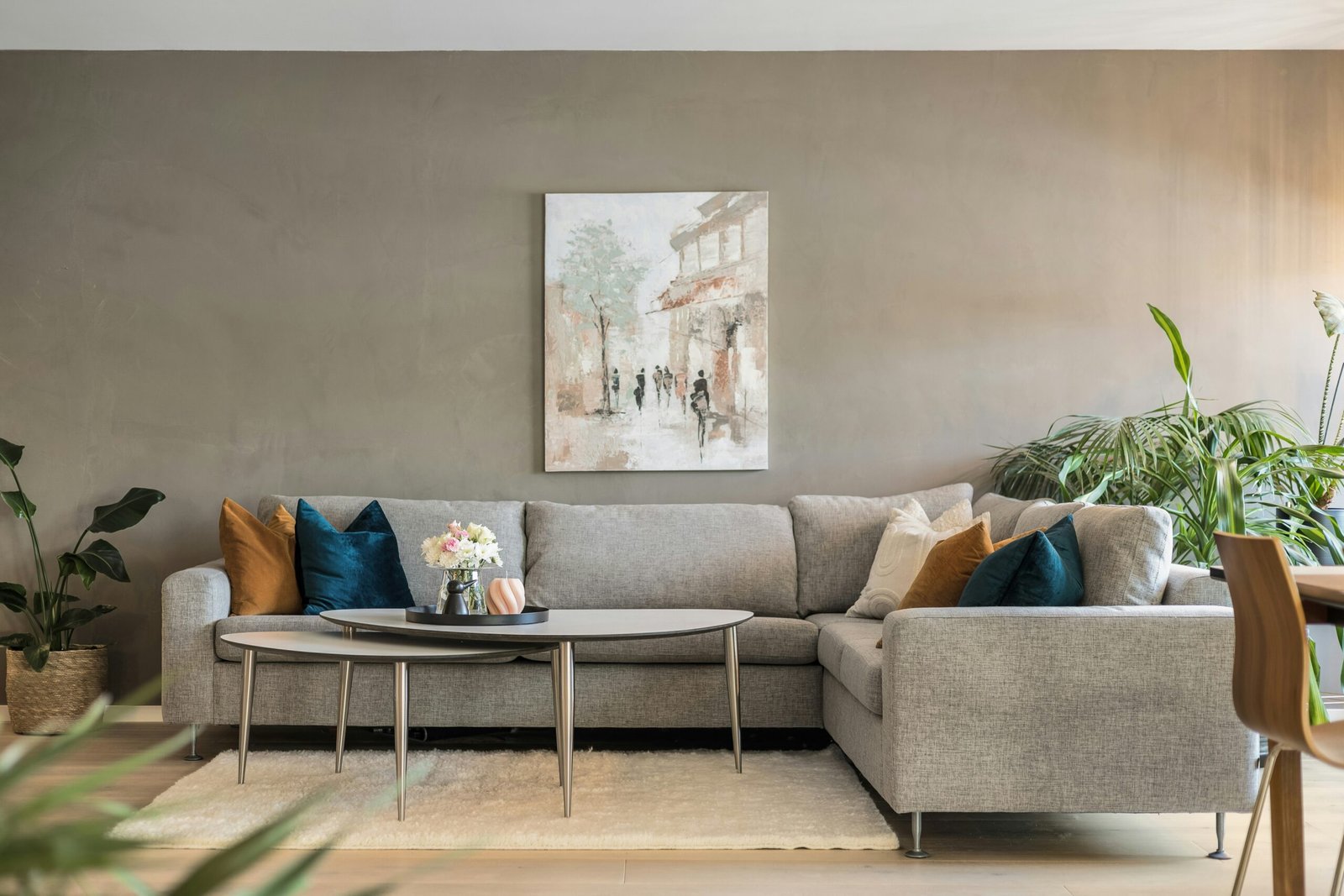
Modern homes often feel sterile and disconnected from nature’s organic beauty. Antique flower illustration wall displays bridge this gap perfectly. They bring scientific precision and artistic excellence into contemporary spaces. These historical treasures combine educational value with sophisticated aesthetics. They create conversation pieces that engage guests while adding timeless elegance to any room.
The beauty lies in their dual nature as both art and science. Each piece represents hours of careful observation by skilled botanical artists. They documented nature’s intricate details with remarkable accuracy. Today, these scientific illustrations serve as stunning decorative elements. They transform bland walls into captivating displays that celebrate natural beauty and human curiosity.
The Scientific Heritage Behind Antique Botanical Flower Art
Historical Accuracy Meets Artistic Excellence
Antique flower illustration wall art originated from scientific necessity. Early botanists needed accurate documentation of newly discovered species. Artists worked alongside scientists to create precise visual records. These collaborations produced illustrations that exceeded photographic accuracy. They captured multiple growth stages and seasonal variations in single images.
Research from the Natural History Museum confirms this remarkable accuracy. Many antique illustrations remain scientifically valid today. They serve as reference materials for modern botanical research. This scientific foundation adds authenticity to your home decor. Guests appreciate the historical significance behind beautiful displays.
The artistic techniques used were revolutionary for their time. Watercolor provided subtle color gradations. Detailed pen work captured minute structural elements. Hand-coloring ensured accurate representation of natural hues. These methods created depth impossible with modern printing techniques.
Famous Botanical Artists and Their Legacy
Pierre-Joseph Redouté earned the title “Raphael of flowers” for good reason. His rose illustrations remain unsurpassed in beauty and accuracy. Meanwhile, Georg Dionysius Ehret pioneered modern botanical illustration standards. His work influenced generations of scientific artists.
These masters established principles still used today. They emphasized anatomical accuracy over artistic interpretation. Every petal, leaf, and stem received careful attention. Their dedication created timeless antique flower illustration wall art. These pieces maintain relevance centuries after creation.
Maria Sibylla Merian broke gender barriers in scientific illustration. She documented insect life cycles alongside botanical subjects. Her work combined ecology with botany innovatively. Today, her illustrations inspire both scientists and decorators. They demonstrate how science and art complement each other beautifully.
Integrating Scientific Flower Art Into Contemporary Interior Design
Minimalist Spaces Benefit From Organic Elements
Modern minimalist design often lacks warmth and personality. Antique flower illustration wall art solves this problem elegantly. These pieces add organic elements without cluttering clean lines. They provide focal points that enhance rather than overwhelm spaces. The scientific precision appeals to contemporary aesthetic sensibilities.
Neutral backgrounds in antique illustrations complement minimalist color schemes perfectly. Cream and white papers don’t compete with modern furniture. Instead, they create gentle contrast that draws the eye naturally. The detailed subjects provide visual interest without overwhelming simplicity.
Single large-format botanical prints work exceptionally well in minimalist settings. They command attention while maintaining sophisticated restraint. Choose specimens with clean, simple compositions. Avoid overly ornate or crowded illustrations that conflict with minimalist principles.
Creating Gallery Walls With Scientific Precision
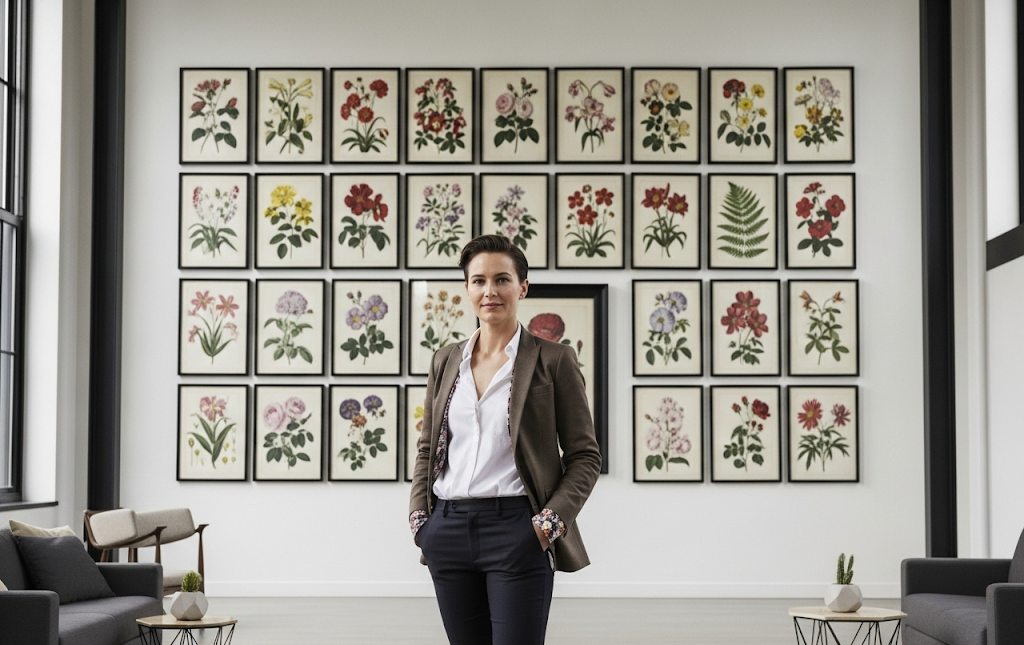
Gallery walls using antique flower illustration wall art require careful planning. Start with a cohesive theme or color palette. Group related species or focus on single botanical families. This approach creates visual harmony while telling scientific stories.
The Smithsonian Institution uses similar principles in their displays. They group illustrations by geographic origin or discovery date. This creates educational narratives that enhance viewing experiences. Your home gallery can adopt these professional curatorial approaches.
Size variation adds visual interest to botanical gallery walls. Mix large anchor pieces with smaller supporting illustrations. Maintain consistent spacing between frames for professional appearance. Consider the wall’s proportions when planning arrangements. Balance prevents overwhelming smaller spaces.
Color Psychology in Botanical Interior Design
Different flower colors evoke specific emotional responses in viewers. Red flowers energize and stimulate conversation in social spaces. Blue and purple blooms create calming atmospheres perfect for bedrooms. Yellow flowers bring cheerfulness to kitchens and breakfast areas.
Scientific studies confirm these color psychology effects. Hospitals use floral artwork to promote healing environments. Offices incorporate botanical displays to reduce stress levels. Your antique flower illustration wall art can achieve similar benefits at home.
Seasonal color rotations keep displays fresh and engaging. Spring pastels celebrate renewal and growth. Summer’s bold colors reflect energy and abundance. Autumn’s warm tones create cozy atmospheres. Winter displays might feature evergreen species or greenhouse exotics.
Sourcing and Authenticating Quality Antique Flower Illustrations
Identifying Genuine Antique Versus Modern Reproductions
Authentic antique flower illustration wall art commands premium prices due to rarity and historical significance. However, high-quality reproductions provide similar aesthetic benefits at accessible costs. Learning to distinguish between them helps make informed purchasing decisions.
Paper aging provides important authenticity clues. Genuine antique illustrations show consistent yellowing and texture changes. Modern reproductions often appear too pristine or artificially aged. Examine edges and corners where aging typically occurs first.
Printing techniques offer additional authentication methods. Hand-colored lithographs show slight color variations and brush marks. Modern digital printing creates perfectly uniform colors. Original engravings display characteristic line qualities impossible to replicate digitally.
Building Collections Through Strategic Purchasing
Start your collection with clear goals and budget parameters. Focus on specific themes, artists, or time periods initially. This prevents scattered purchasing that lacks cohesion. Quality proves more important than quantity in botanical collecting.
Estate sales often yield exceptional botanical discoveries at reasonable prices. Sellers may not recognize scientific or artistic value. Auction houses specializing in natural history provide authenticated pieces. Online platforms expand access but require careful evaluation skills.
Documentation enhances collection value significantly. Provenance records, artist attributions, and publication histories add credibility. Professional appraisals protect insurance interests. Detailed catalogs help track collection growth and condition changes over time.
Proper Display and Preservation Techniques
Museum-Quality Framing for Long-Term Protection
Antique flower illustration wall art requires conservation-grade framing for longevity. Acid-free matting prevents chemical migration that causes yellowing. UV-filtering glazing blocks harmful radiation that fades colors irreversibly. These investments preserve both beauty and monetary value.
Professional framers understand botanical illustration requirements. They provide appropriate spacing between artwork and glazing. This prevents condensation damage during temperature fluctuations. Proper ventilation maintains stable micro-environments within frames.
Frame selection should complement both artwork and interior design. Traditional wood finishes suit classical illustrations perfectly. Modern metal frames work well with minimalist decor. Consistent framing unifies diverse botanical subjects in gallery arrangements.
Environmental Controls That Protect Investment Value
Temperature stability prevents paper expansion and contraction stress. Aim for 65-70°F with minimal daily variation. Humidity control maintains 45-55% relative humidity year-round. These conditions prevent mold growth and dimensional changes that damage delicate papers.
Lighting considerations become critical for valuable antique illustrations. LED sources produce minimal heat and UV radiation. Track systems allow precise control over illumination angles. Timer controls limit daily exposure while maintaining viewing opportunities.
Regular inspection identifies problems before serious damage occurs. Look for color changes, foxing, or insect activity. Professional conservation assessment every few years ensures appropriate care. Early intervention prevents minor issues from becoming major restoration challenges.
Room-by-Room Applications for Scientific Beauty
Living Areas Showcase Botanical Grandeur
Living rooms provide ideal spaces for impressive antique flower illustration wall art displays. Large walls accommodate substantial gallery arrangements or oversized single pieces. These social spaces benefit from conversation-starting botanical subjects that engage guests naturally.
Consider the room’s natural lighting when selecting botanical subjects. North-facing rooms need brighter, more colorful illustrations. South-facing spaces can handle subtle, muted palettes without appearing dull. Window proximity requires UV protection to prevent fading damage.
Furniture arrangements should complement botanical displays rather than competing for attention. Position seating to allow comfortable viewing of wall art. Avoid placing botanical illustrations directly behind seating where they become background elements.
Bedrooms Create Peaceful Botanical Retreats
Bedroom botanical displays should emphasize calming, restful subjects. Choose flowers associated with relaxation and tranquility. Lavender, chamomile, and jasmine illustrations promote peaceful atmospheres. Avoid stimulating tropical subjects that might interfere with sleep.
Soft color palettes work best in intimate bedroom spaces. Pastels and muted tones create serene environments. Dramatic, bold botanical illustrations might prove too energizing for restful spaces. Consider seasonal rotations that reflect changing moods and preferences.
Scale becomes important in bedroom applications. Oversized botanical prints can overwhelm intimate spaces. Medium-sized illustrations often work better in bedrooms. Multiple smaller pieces allow flexible arrangements that adapt to furniture changes.
Kitchen and Dining Areas Celebrate Edible Plants
Kitchen spaces naturally accommodate herb and vegetable botanical illustrations. These functional subjects connect cooking activities with growing processes. Antique flower illustration wall art featuring culinary plants adds educational elements to meal preparation areas.
Dining rooms benefit from appetite-stimulating botanical subjects. Fruit trees, flowering herbs, and garden vegetables create appropriate themes. These illustrations enhance dining experiences by connecting food with natural origins. Seasonal displays can reflect menu planning and garden harvests.
Moisture and heat considerations affect botanical art placement in kitchens. Avoid areas near stoves, sinks, or dishwashers where steam and temperature fluctuations occur. Proper ventilation prevents humidity damage to delicate paper artworks.
Frequently Asked Questions
Authentic antique illustrations show consistent aging patterns including slight yellowing and paper texture changes. Hand-colored pieces display subtle color variations and visible brush marks. Original printing techniques create characteristic line qualities impossible to replicate digitally. Examine paper edges and corners where aging typically appears first. Professional appraisal provides definitive authentication for valuable pieces.
Choose illustrations with clean, simple compositions and neutral backgrounds that won’t compete with minimalist aesthetics. Single large-format pieces work better than crowded arrangements. Frame in sleek materials like brushed metal or natural wood. Maintain plenty of white space around displays. Focus on scientific precision and organic beauty rather than ornate decorative elements.
Use conservation-grade framing with acid-free matting and UV-filtering glazing. Maintain stable temperature and humidity levels year-round. Avoid direct sunlight and excessive artificial lighting. Inspect regularly for signs of damage or deterioration. Professional conservation assessment every few years ensures appropriate long-term care and preservation strategies.
Absolutely! Antique botanical illustrations often feature neutral backgrounds that adapt to various color schemes. The natural subject matter provides organic elements that soften modern spaces. Choose pieces with colors that complement your existing palette. Seasonal rotations allow flexibility to match changing decorative preferences without major investment.
Transform Your Modern Home With Timeless Scientific Beauty
Antique flower illustration wall art offers unparalleled opportunities to blend scientific accuracy with sophisticated home decoration. These historical treasures bring centuries of botanical knowledge and artistic excellence into contemporary living spaces. They create educational displays that engage viewers while adding organic warmth to modern interiors.
The investment in quality botanical illustrations provides lasting value through enhanced home atmosphere and maintained historical significance. Whether displayed as single statement pieces or comprehensive gallery arrangements, antique botanical art transforms ordinary walls into captivating displays. They celebrate the enduring relationship between science, art, and natural beauty that enriches our daily lives immeasurably.