

Your heart sinks as you notice that delicate water stain creeping across your grandmother’s vintage botanical print – the one that’s hung proudly in your bathroom for months. Steam exposure has left its mark, and now you’re faced with a terrifying dilemma: attempt cleaning and risk destroying a priceless family heirloom, or watch helplessly as the damage spreads.
Thousands of vintage art collectors face this exact scenario every year, and tragically, many make costly mistakes that turn minor steam damage into total artwork destruction. However, professional art conservators have developed safe, proven techniques that can restore steam-damaged vintage pieces when applied correctly and promptly.
The key lies in understanding that vintage bathroom wall art requires specialized care far different from modern prints or canvas paintings. With the right knowledge, tools, and techniques, you can confidently address steam damage while preserving your artwork’s integrity and value for future generations.
Understanding Steam Damage in Vintage Artwork
Steam damage manifests differently depending on your artwork’s age, materials, and original construction methods. Unlike modern pieces created with synthetic materials and stable inks, vintage artwork often uses organic components that react unpredictably to moisture exposure.
Common Types of Steam Damage
Water stains typically appear as brown or yellow discoloration, often with distinct ring patterns where moisture has concentrated and dried repeatedly. These stains result from minerals in water vapor combining with organic materials in paper or canvas, creating chemical reactions that worsen over time without intervention.
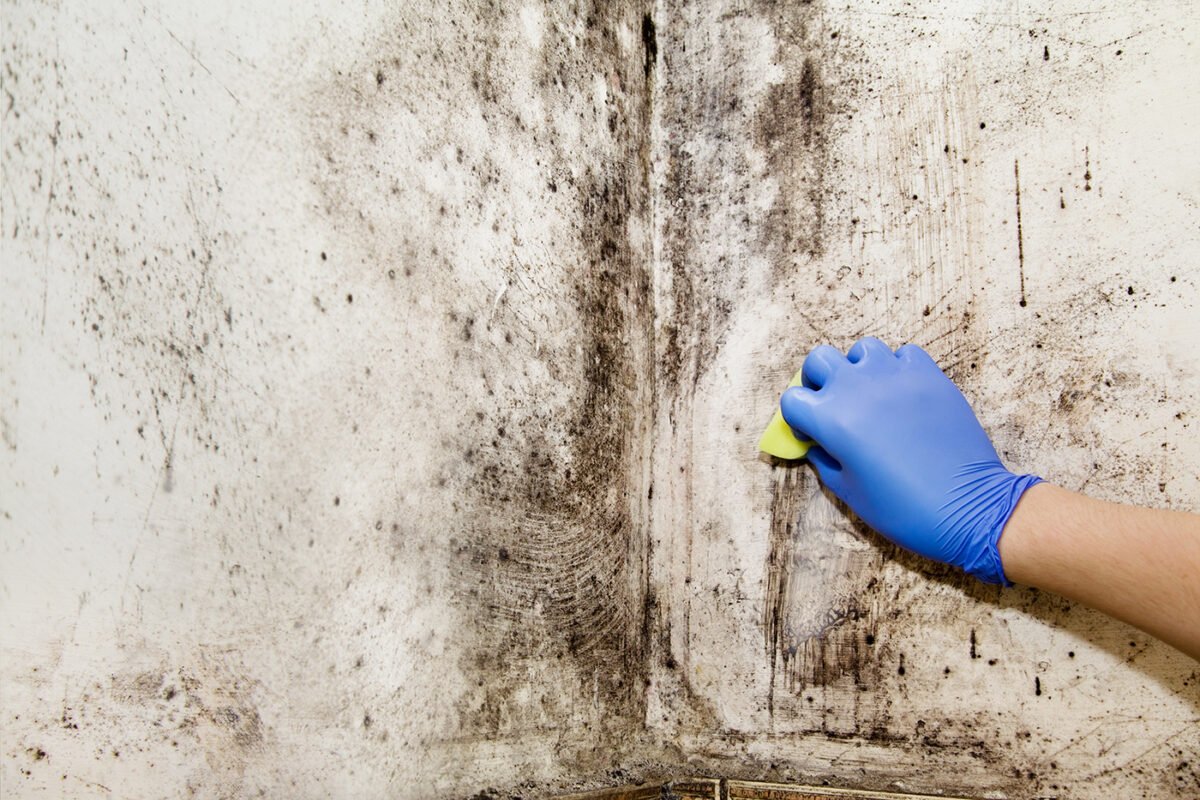
Mold growth presents as fuzzy patches in various colors – black, green, or white – and poses immediate threats to both artwork integrity and household health. The Environmental Protection Agency reports that mold can begin growing within 24-48 hours of moisture exposure, making rapid response absolutely critical.
Warping and buckling occur when paper fibers absorb moisture unevenly, causing dimensional changes that create permanent creases and distortions. Once these structural changes occur, complete restoration becomes significantly more challenging and expensive.
The Science Behind Safe Cleaning
Professional conservators understand that aggressive cleaning attempts often cause more damage than the original steam exposure. Vintage inks, particularly those from the early-to-mid 20th century, can dissolve or bleed when exposed to improper cleaning solutions or excessive moisture.
Paper from different eras exhibits varying pH levels and chemical compositions, requiring customized cleaning approaches. Pre-1950s paper often contains acid-producing lignin that makes it more susceptible to chemical damage, while post-1970s papers may include synthetic fibers that react differently to cleaning agents.
5 Professional Cleaning Techniques That Actually Work
1. The Gentle Dry Cleaning Method
Start with the least invasive approach using specialized art cleaning sponges or soft natural brushes. Museum conservators rely on cosmetic sponges (the type used for makeup application) to gently lift surface grime and light mold without introducing additional moisture.
Work in circular motions with minimal pressure, allowing the sponge’s texture to capture particles without grinding them deeper into the artwork surface. Replace sponges frequently to avoid redistributing contaminants, and always test cleaning methods on inconspicuous corners before treating visible areas.
For stubborn surface deposits, use soft-bristled natural brushes (never synthetic) with gentle sweeping motions. Professional conservators recommend sable or camel hair brushes, which provide effective cleaning action without scratching delicate surfaces.
2. Controlled Humidity Treatment for Warping
Address minor warping using controlled humidity exposure rather than direct moisture application. Create a humidity chamber using a clear storage container, damp (not wet) towels, and your artwork sealed in protective barriers.
Place damp towels in the container bottom, then position your protected artwork above (not touching) the moisture source. Seal the container and monitor for 24-48 hours, allowing trapped humidity to gradually relax paper fibers and reduce warping.
This technique requires constant monitoring with a digital hygrometer to prevent over-humidification, which can worsen damage or encourage mold growth. Professional conservators maintain humidity levels between 55-65% during treatment, never exceeding 70%.
3. Targeted Stain Reduction Using pH-Neutral Solutions
For persistent water stains that resist dry cleaning, prepare ultra-diluted pH-neutral solutions using distilled water and conservation-grade cleaning agents. Never use household cleaners, which contain harsh chemicals that permanently damage vintage materials.
Apply solutions using cotton swabs with surgical precision, treating only stained areas while avoiding healthy artwork sections. Blot (never rub) with clean, lint-free cloths, immediately removing excess moisture to prevent new damage.
Professional conservators often use ethyl alcohol solutions (10-15% concentration) for stubborn organic stains, but this technique requires extensive experience and should only be attempted on less valuable pieces or with professional guidance.
4. Safe Mold Removal Protocols
Address mold growth immediately using proper safety equipment including N95 masks, gloves, and adequate ventilation. Isolate affected artwork to prevent spore spread throughout your home, and consider professional consultation for valuable pieces.
Begin with gentle vacuuming using brush attachments to remove loose spores and surface growth. Follow with dry cleaning techniques using fresh cosmetic sponges, disposing of contaminated materials in sealed bags to prevent re-contamination.
For persistent mold, prepare diluted rubbing alcohol solutions (25% alcohol, 75% distilled water) and apply sparingly with cotton swabs. This concentration kills mold while minimizing damage to artwork materials, but always test on hidden areas first.
5. Advanced Drying and Flattening Techniques
After cleaning, proper drying prevents additional damage and helps restore artwork’s original appearance. Never use hair dryers, direct heat, or sunlight, which can cause rapid material changes and irreversible damage.
Create controlled drying environments using absorbent materials and gentle air circulation. Place cleaned artwork between acid-free blotting papers, then sandwich between clean boards with moderate weight (art books work well) to encourage even drying and reduce warping.
Professional conservators use specialized drying techniques involving repeated paper changes every 2-4 hours for the first 24 hours, then daily changes until complete dryness occurs. This labor-intensive process yields superior results while minimizing stress on delicate materials.
Frequently Asked Questions
Never use household cleaners, which contain harsh chemicals that permanently damage vintage materials. Stick to conservation-grade materials or simple solutions like distilled water and pH-neutral soaps specifically designed for artwork cleaning.
Immediate action within 24-48 hours prevents minor damage from becoming major problems. Mold growth accelerates rapidly in humid conditions, while chemical reactions causing permanent staining continue until moisture is completely removed.
For pieces worth more than $500 or those with significant sentimental value, professional conservation consultation is strongly recommended. DIY attempts on valuable artwork often reduce both monetary and historical value regardless of good intentions.
Extensive mold growth, multiple types of damage occurring simultaneously, or artwork showing structural deterioration (tears, significant warping, or flaking) require professional intervention. When in doubt, consult qualified conservators before attempting any cleaning.
Essential supplies include cosmetic sponges, soft natural brushes, cotton swabs, lint-free cloths, distilled water, acid-free blotting paper, and digital hygrometer for humidity monitoring. Investment in proper tools prevents costly mistakes that damage artwork.
Prevention Strategies That Stop Future Steam Damage
Strategic Artwork Placement
Position vintage pieces away from direct steam paths and high-moisture areas within your bathroom. Walls adjacent to showers receive significantly more steam exposure than those near doors or windows, making location selection critical for long-term preservation.
Consider rotation systems that allow you to enjoy your collection while limiting individual pieces’ cumulative steam exposure. Professional galleries often rotate displays to prevent overexposure and ensure even aging across their collections.
Protective Barriers and Framing
Invest in museum-quality framing with sealed backing and moisture barriers that prevent steam penetration while allowing visual appreciation. UV-protective glazing provides additional benefits by filtering harmful light exposure that accelerates fading and deterioration.
Modern conservation framing techniques create microclimates within frames that buffer against humidity fluctuations and temperature changes. While requiring higher upfront investment, proper framing dramatically extends artwork lifespan in challenging bathroom environments.
Environmental Monitoring Systems
Install digital hygrometers and temperature sensors to track environmental conditions around your artwork collection. These affordable devices ($20-50) provide early warning when conditions become dangerous, allowing proactive intervention before damage occurs.
Maintain detailed logs of environmental conditions, noting correlations between weather patterns, bathroom usage, and artwork condition changes. This data helps optimize protection strategies and identify potential problems before they become visible damage.
When to Call Professional Conservators
Recognize your limitations and seek professional help when facing complex damage scenarios. Professional art conservators possess specialized training, equipment, and experience that enable safe treatment of valuable vintage pieces.
Consider professional consultation for artwork with insurance values exceeding $1,000, pieces with significant family history, or damage involving multiple factors (mold, staining, and warping simultaneously). The cost of professional consultation often proves minimal compared to artwork replacement or permanent damage.
Many regional museums offer conservation services or can recommend qualified professionals in your area. University art departments also frequently provide conservation training programs with supervised student services at reduced costs.
Building Long-Term Maintenance Routines
Establish regular inspection schedules to catch developing problems before they require extensive intervention. Monthly visual inspections combined with quarterly detailed examinations help identify emerging issues while they remain manageable.
Document your collection’s condition with dated photographs that serve as baseline references for detecting gradual changes. Many collectors maintain conservation logs that track treatments, environmental conditions, and condition changes over time.
Develop relationships with local conservation professionals before emergencies occur. Many conservators offer consultation services that help collectors develop appropriate care routines while providing emergency contact information for urgent situations.
Conclusion
Protecting steam-exposed vintage bathroom wall art requires patience, proper techniques, and realistic expectations about achievable results. While not all damage can be completely reversed, prompt action using appropriate methods often saves artwork from total loss while preserving significant value and meaning.
Remember that prevention remains your most powerful tool against steam damage. Combining strategic placement, environmental controls, and regular monitoring creates optimal conditions for your vintage collection’s long-term survival in bathroom environments.
Start implementing these professional cleaning techniques today, beginning with the gentlest approaches and progressing carefully based on your artwork’s response. Your vintage pieces have survived decades or centuries already – with proper care, they can grace your bathroom walls for generations to come while maintaining their beauty, value, and historical significance.