

Creating stunning wall displays requires more than simply hanging pretty pictures randomly on walls. Professional interior designers understand specific principles that transform ordinary collections into extraordinary focal points. Arrange vintage floral art successfully demands careful consideration of scale, balance, color harmony, and spatial relationships that create cohesive, sophisticated displays.
Many homeowners struggle with placement decisions that leave their beautiful vintage pieces looking disconnected or underwhelming. Without proper planning, even the most exquisite artwork can appear amateurish when positioned incorrectly or grouped inappropriately.
Professional arrangement techniques elevate vintage floral collections from simple wall decorations to museum-quality installations. These time-tested methods ensure your carefully curated pieces receive the presentation they deserve while creating memorable visual impact throughout your living spaces.
Understanding Professional Design Principles for Floral Arrangements
Scale and Proportion Guidelines
Professional designers rely on mathematical relationships when they arrange vintage floral art for optimal visual impact. The golden ratio principle suggests groupings should follow approximate 3:5 ratios for most pleasing proportions that naturally appeal to human perception.
Wall space calculations require careful measurement before hanging any artwork. Pieces should occupy roughly sixty to seventy-five percent of available wall area above furniture to create appropriate visual weight without overwhelming room proportions.
Size variation within groupings creates dynamic interest while preventing monotonous appearances. Mix large statement pieces with medium supporting works and smaller accent pieces to establish hierarchy that guides viewer attention naturally throughout your display.
Color Harmony and Visual Flow
Color coordination becomes crucial when you arrange vintage floral art across multiple pieces in gallery configurations. Extract three to five dominant colors from your collection to establish cohesive palettes that unify disparate elements into harmonious compositions.
Vintage floral pieces naturally feature muted, aged color palettes that work beautifully together. However, mixing different color temperatures or saturation levels requires careful balance to prevent clashing that disrupts visual harmony throughout your arrangement.
Professional designers use color temperature principles from The International Association of Color Consultants to create sophisticated combinations. Warm and cool tones should be distributed evenly throughout arrangements rather than clustered together in competing groups.
Visual Weight Distribution
Visual weight differs from actual physical weight when you arrange vintage floral art professionally. Dark colors, complex patterns, and substantial frames carry more visual weight than light, simple pieces regardless of actual dimensions.
Balance requires distributing visual weight evenly across your entire arrangement rather than concentrating heavy elements in single areas. This prevents lopsided appearances that make displays feel unstable or poorly planned.
Symmetrical arrangements create formal, traditional atmospheres while asymmetrical groupings feel more casual and contemporary. Choose approaches that complement your room’s overall design aesthetic and architectural features for best integration results.
Strategic Planning Before Installation
Measurement and Template Creation
Professional installation begins long before hammer meets nail when you arrange vintage floral art properly. Create paper templates matching each piece’s exact dimensions to experiment with different layouts on floors before committing to wall placement.
Accurate room measurements prevent costly mistakes that require rehinging or leave unsightly nail holes. Document wall dimensions, furniture heights, and architectural features that might influence placement decisions throughout your planning process.
Ceiling height significantly affects optimal hanging heights for vintage floral arrangements. Standard fifty-seven-inch center height works for eight-foot ceilings, but taller rooms may require adjusted positioning for proper proportional relationships.
Layout Experimentation and Refinement
Template arrangements allow extensive experimentation without wall damage when you arrange vintage floral art in complex groupings. Try multiple configurations to discover optimal spacing, alignment, and compositional balance before final installation.
Photography helps evaluate different arrangement options objectively. Take pictures of various template layouts to compare options later when decision fatigue might compromise judgment about best configurations for your specific space.
Consider traffic patterns and sight lines when finalizing layouts. Arrangements should enhance rather than obstruct natural movement through rooms while providing optimal viewing angles from primary seating areas.
Gallery Wall Techniques for Maximum Impact
Foundation Piece Selection and Placement
Start with your largest or most significant piece as the foundation when you arrange vintage floral art in gallery configurations. This anchor piece establishes the arrangement’s visual center while providing reference points for positioning surrounding elements.
Center placement works well for symmetrical arrangements, while off-center positioning creates more dynamic, contemporary compositions. Choose approaches that complement both your artwork and room’s architectural features for seamless integration.
Foundation pieces should reflect the overall color scheme and style direction for entire arrangements. These key works establish themes that surrounding pieces should support rather than compete with for attention.
Building Outward from Central Elements
Professional expansion techniques help you arrange vintage floral art systematically around foundation pieces. Work outward in balanced increments, adding pieces that complement rather than duplicate existing elements within your growing composition.
Spacing consistency prevents chaotic appearances that undermine sophisticated gallery wall effects. Maintain two to three inches between frames for intimate groupings or up to five inches for more open, contemporary arrangements.
Height variation adds visual interest while maintaining overall cohesion when you arrange vintage floral art in gallery formations. Vary frame tops and bottoms while keeping consistent spacing to create dynamic rhythms throughout your display.
Room-Specific Arrangement Strategies
Living Room Focal Point Creation
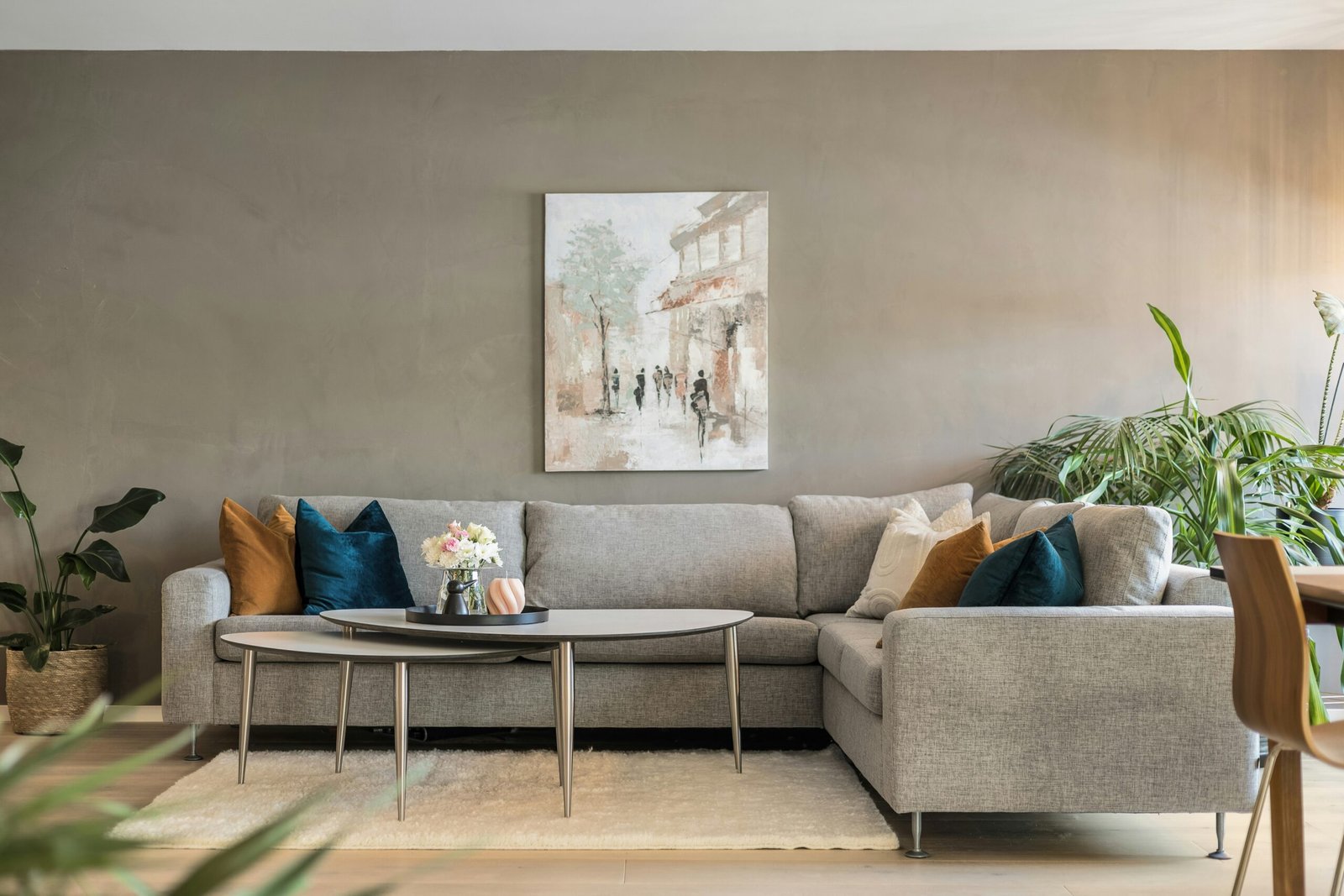
Living rooms provide excellent opportunities to arrange vintage floral art as dramatic focal points that establish entire room themes. Position major arrangements above seating areas where guests naturally gather for conversation and relaxation.
Furniture relationships become crucial for successful living room installations. Artwork should relate visually to sofas, tables, or entertainment centers while maintaining appropriate proportional relationships that enhance rather than overwhelm existing furnishings.
Lighting considerations affect how visitors perceive your carefully arranged vintage floral displays. Natural light patterns change throughout days and seasons, requiring strategic positioning that accommodates these variations for consistent visual appeal.
Bedroom Intimacy and Romance
Bedrooms benefit from more intimate approaches when you arrange vintage floral art for personal enjoyment rather than entertaining guests. Smaller, coordinated groupings create cozy atmospheres while maintaining sophisticated design principles.
Positioning artwork for comfortable viewing from bed requires adjusted height calculations. Consider both sitting and lying positions to ensure optimal appreciation angles for pieces intended primarily for personal enjoyment rather than guest impression.
Color choices become especially important in bedroom applications where vintage floral art should promote relaxation rather than stimulation. Soft, muted palettes work best for creating restful environments conducive to quality sleep.
Dining Room Elegance and Sophistication
Dining rooms provide formal settings perfect for sophisticated vintage floral arrangements that demonstrate refined taste to guests. These spaces accommodate larger, more dramatic installations that might overwhelm intimate bedroom settings.
Consider conversation facilitation when you arrange vintage floral art in dining areas. Pieces should enhance rather than distract from meal-time interactions while providing interesting talking points for entertaining situations.
Seasonal rotation possibilities make dining room arrangements especially versatile. Plan installations that accommodate periodic changes reflecting holidays, seasons, or special occasions without requiring complete reinstallation.
Professional Hanging and Installation Techniques
Hardware Selection and Wall Preparation
Professional-grade hanging hardware ensures secure installation when you arrange vintage floral art in permanent displays. Choose picture wire, hooks, and anchors rated for significantly more weight than your pieces actually require for safety margins.
Wall type determines appropriate anchor selection for successful installations. Drywall, plaster, brick, and concrete surfaces each require specific hardware types to ensure secure mounting that protects both artwork and wall surfaces.
Stud locations provide strongest mounting points for heavy pieces or substantial gallery wall arrangements. Use electronic stud finders to locate structural support that prevents artwork from pulling away from walls over time.
Level and Alignment Precision
Professional appearance requires precise leveling when you arrange vintage floral art in any configuration. Digital levels provide accuracy that prevents crooked installations that immediately reveal amateur execution to observant viewers.
Alignment techniques help maintain consistent relationships between multiple pieces in gallery arrangements. Use laser levels or chalk lines to establish reference points that guide placement for perfectly coordinated results.
String lines stretched between reference points provide visual guides for complex arrangements involving numerous pieces. These temporary guides ensure consistent spacing and alignment throughout installation processes.
Common Mistakes and Professional Solutions
Overcrowding and Scale Errors
Amateur mistakes include cramming too many pieces into insufficient wall space when attempting to arrange vintage floral art impressively. Professional restraint creates more impactful displays through thoughtful editing rather than overwhelming abundance.
Scale mismatches between artwork and room proportions create awkward relationships that undermine sophisticated design intentions. Choose pieces appropriate for your space rather than forcing oversized or undersized works into incompatible environments.
Frame consistency helps unify diverse vintage floral pieces into cohesive arrangements. While perfect matching isn’t necessary, maintaining similar frame styles, colors, or proportions prevents chaotic appearances that distract from artwork content.
Poor Lighting and Environmental Factors
Inadequate lighting undermines even perfectly arranged vintage floral art by preventing proper color appreciation and detail visibility. Plan appropriate illumination during arrangement phases rather than addressing lighting deficiencies afterward.
UV protection prevents fading that gradually diminishes vintage pieces over time. Position arrangements away from direct sunlight or install UV-filtering window treatments to preserve colors and paper integrity.
Humidity control maintains stable environmental conditions that prevent warping, mold, or other damage to valuable vintage floral artwork. Monitor conditions especially in bathrooms, kitchens, or basements where moisture levels fluctuate significantly.
Frequently Asked Questions
Professional designers typically maintain 2-3 inches between frames for intimate groupings or 3-5 inches for more open, contemporary arrangements. Consistency matters more than exact measurements – maintain the same spacing throughout your entire arrangement for cohesive, polished results.
Standard guideline places artwork centers at 57-60 inches from floor level for most viewing situations. However, adjust heights based on furniture relationships, ceiling height, and primary viewing positions. In dining rooms, consider seated viewing angles for optimal placement.
Yes, but maintain some unifying elements like similar colors, proportions, or materials. Varying frame styles can add visual interest while frames that are too different create chaotic appearances. Professional designers often use 2-3 complementary frame styles maximum in single arrangements.
Create paper templates matching each piece’s exact dimensions and arrange them on the floor to experiment with different configurations. Take photos of various layouts to compare options objectively. This planning prevents wall damage and ensures optimal results before permanent installation.
Conclusion
Professional techniques to arrange vintage floral art transform ordinary collections into stunning displays that rival museum-quality installations. Success depends on understanding scale relationships, color harmony, and spatial balance while applying systematic planning and precise installation methods.
These time-tested principles ensure your carefully curated vintage pieces receive presentations worthy of their beauty and historical significance. Whether creating intimate bedroom displays or dramatic living room focal points, professional arrangement techniques elevate your artwork from simple wall decoration to sophisticated design elements that enhance your entire living environment.