
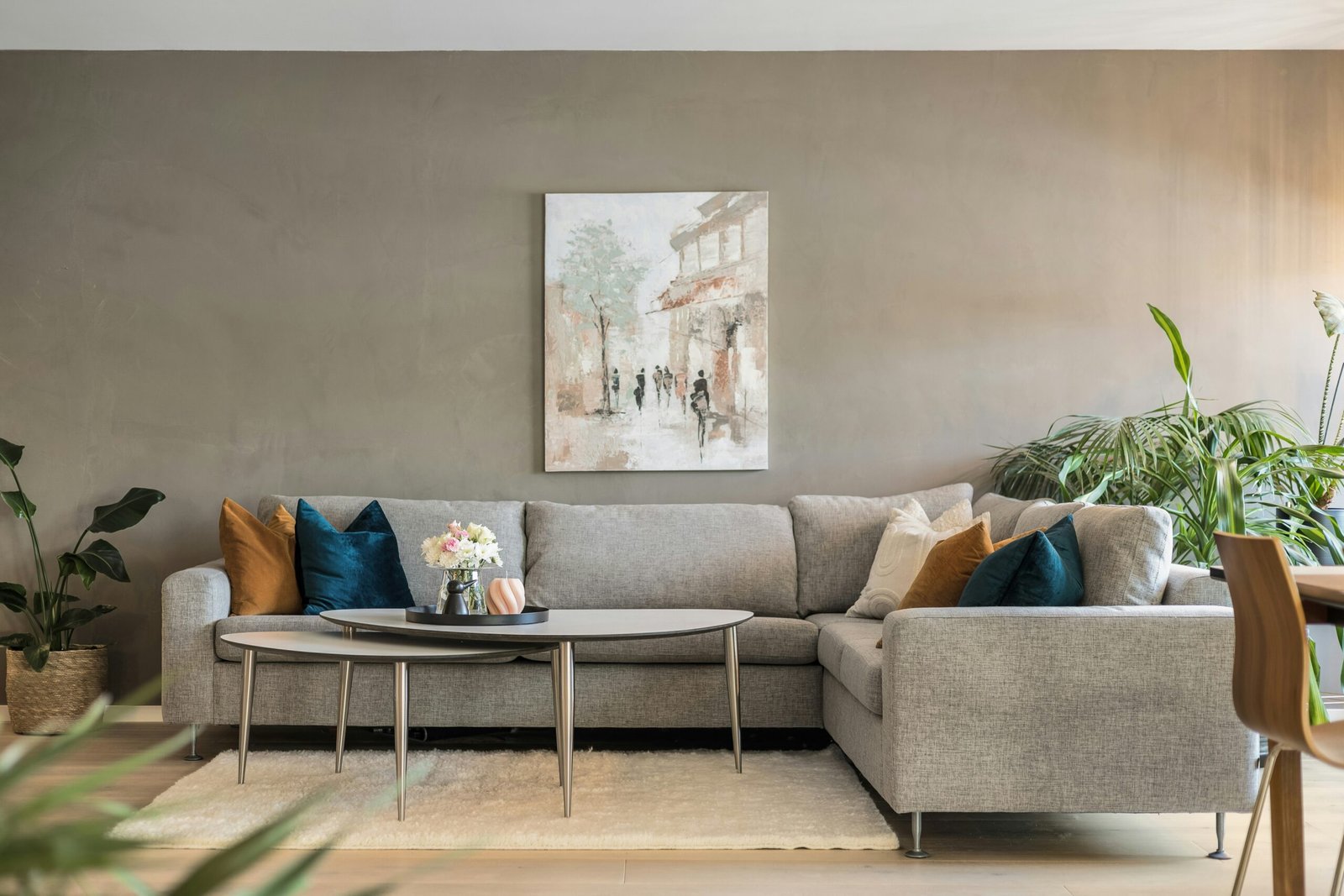

Are you tired of feeling cramped in your small space? Does your tiny apartment or compact room feel more like a prison than a sanctuary? What if we told you that thousands of homeowners have discovered a secret weapon that instantly makes small spaces appear dramatically larger – without knocking down walls or expensive renovations?
Enter the transformative power of decorative panels – the design industry’s best-kept secret for creating spacious illusions in the tiniest rooms. These architectural marvels don’t just beautify walls; they manipulate visual perception to create the impression of expansive, luxurious spaces where claustrophobic boxes once existed. Today, you’ll discover exactly how strategic panel placement can revolutionize your small space experience.
Recent studies from the Small Space Living Institute reveal that properly installed decorative panels can make rooms appear 30-50% larger through clever optical illusions and strategic design principles. Whether you’re dealing with a studio apartment, compact bedroom, or cramped home office, these game-changing techniques will unlock your space’s hidden potential and transform your daily living experience from frustrating to fabulous.
The Science of Visual Expansion: How Your Brain Perceives Space
Understanding visual perception psychology reveals why decorative panels create such powerful spatial illusions. Our brains calculate room size through pattern recognition, line direction, and textural contrast rather than actual measurements. Smart panel placement exploits these perceptual quirks to create convincing impressions of expanded space.
Research from the Environmental Psychology Institute demonstrates that vertical elements make ceilings appear higher, while horizontal patterns create width illusions. Additionally, textured surfaces reflect light differently than flat walls, creating depth perception that tricks the eye into seeing dimensional expansion where none exists physically.
Light Reflection Mastery: Decorative panels with subtle textures scatter light in multiple directions, eliminating the harsh shadows that make small spaces feel confined. This diffused lighting effect creates atmospheric depth that suggests larger room dimensions.
Visual Flow Enhancement: Strategic panel placement guides eye movement through space, creating continuous sight lines that suggest rooms extend beyond their actual boundaries. This psychological trick makes compact areas feel significantly more expansive and comfortable.
Vertical Illusions: Making Ceilings Soar With Strategic Panel Placement
The most dramatic small space transformations occur through vertical panel installations that create powerful height illusions. These techniques work particularly well in rooms with standard 8-9 foot ceilings that feel oppressively low.
Floor-to-Ceiling Coverage: Installing panels from floor to ceiling eliminates visual breaks that remind the eye of actual room dimensions. This uninterrupted vertical flow creates the impression of soaring ceilings, making rooms feel substantially taller than their actual measurements.
Narrow Panel Spacing: Closely spaced vertical panels create rhythm patterns that draw the eye upward naturally. This repetitive visual element encourages vertical eye movement that reinforces height illusions while adding sophisticated architectural interest.
Color Gradation Techniques: Panels featuring subtle color gradations from darker bases to lighter tops enhance height perception by mimicking natural lighting conditions found in larger spaces with high ceilings.
Professional designers report that vertical panel installations can make standard ceiling heights appear 20-30% taller, dramatically improving the spatial experience in compact rooms.
Horizontal Expansion: Creating Width Through Strategic Design
While vertical panels add height, horizontal installations excel at making narrow spaces appear wider and more proportionate. These techniques work especially well in galley kitchens, narrow hallways, or elongated bedrooms.
Linear Panel Systems: Horizontal panels with clean lines create width illusions by encouraging side-to-side eye movement. This visual flow suggests expansive room dimensions that extend beyond actual wall boundaries.
Continuous Pattern Flow: Panels featuring horizontal patterns or wood grain directions reinforce width perception while creating sophisticated visual interest that distracts from actual room limitations.
Strategic Accent Placement: Installing horizontal panels on shorter walls makes them appear longer while balancing room proportions that might otherwise feel uncomfortably narrow or confined.
Frequently Asked Questions
Absolutely not when properly selected! The key lies in choosing panels with subtle textures and appropriate colors. Light-colored panels with minimal patterns actually reduce visual clutter by creating unified wall surfaces that make rooms feel larger and more organized than busy wallpaper or painted walls with imperfections.
Light colors reflect more light, creating spacious feelings, but don’t limit yourself to white. Soft grays, pale blues, warm beiges, and even subtle pastels can expand perceived space while adding personality. The secret lies in maintaining consistent color temperatures and avoiding high contrast combinations that fragment visual space.
Yes! Panels actually help small spaces by providing unified backgrounds that make furniture appear more cohesive and expensive. They eliminate visual competition between walls and furnishings while creating sophisticated backdrops that tie diverse elements together harmoniously.
Budget-friendly options start around $20-40 per square foot including installation, making them extremely cost-effective compared to structural modifications. DIY installations can reduce costs by 50-60%, making dramatic space transformation accessible to virtually any budget.
Actually, panels require less maintenance than painted walls in small spaces because they hide imperfections better and don’t show scuff marks or fingerprints as readily. Most installations need only periodic dusting and occasional cleaning – significantly easier than repainting cramped rooms regularly.
Light-Enhancing Panel Materials: Amplifying Natural and Artificial Illumination
Light plays a crucial role in small space perception, making material selection critical for maximizing spatial illusions. Different panel materials interact with light in unique ways that either enhance or diminish expansion effects.
Glossy and Semi-Gloss Finishes: Panels with subtle shine reflect light efficiently, bouncing illumination around small spaces to create brighter, more open atmospheres. This reflection effect multiplies available light while creating dimensional depth.
Metallic Accent Options: Aluminum, brushed steel, or copper panels strategically placed reflect light dramatically while adding contemporary sophistication. These materials work particularly well as accent elements rather than full-wall coverage.
Natural Wood with Clear Finishes: Light woods like maple, birch, or ash with clear protective finishes maintain natural brightness while adding warmth. The visible grain patterns create subtle texture that adds interest without overwhelming compact spaces.
Translucent Materials: Panels incorporating frosted glass, acrylic, or resin elements allow light transmission while maintaining privacy, creating ethereal effects that suggest expanded spatial boundaries.
Strategic Placement: Maximizing Impact Through Intelligent Design
Successful small space panel installations require strategic placement that maximizes visual impact while addressing specific spatial challenges. Random panel placement can actually make small rooms feel more confined and cluttered.
Accent Wall Selection: Choose the wall opposite the main entrance for maximum impact. This placement draws attention away from room size limitations while creating impressive focal points that suggest larger space proportions.
Behind-Furniture Installations: Panels installed behind beds, sofas, or desks create sophisticated backdrops that make furniture appear more expensive while adding visual depth that expands perceived room dimensions.
Corner Emphasis: Panel installations that wrap around corners create continuous visual flow that suggests rooms extend beyond visible boundaries, making small spaces feel more expansive and connected.
Mirror Integration: Combining panels with strategically placed mirrors amplifies expansion effects exponentially, creating infinite reflection illusions that make even tiny spaces feel dramatically larger.
DIY vs. Professional Installation: Choosing Your Transformation Path
Small space panel installations accommodate various approaches from weekend DIY projects to professional installations. Understanding options helps homeowners make informed decisions based on skill levels and budget considerations.
DIY Success Strategies: Lightweight panels, peel-and-stick options, and modular systems enable homeowner installation with basic tools. Small space projects typically require fewer materials and less time, making DIY approaches particularly attractive for budget-conscious transformations.
Professional Benefits: Complex designs, electrical integration, or installations requiring precise measurements benefit from professional expertise. Experienced installers ensure optimal placement for maximum spatial enhancement while avoiding costly mistakes in confined areas.
Measurement Precision: Small spaces demand accurate measurements and careful planning. Professional installers bring experience calculating panel quantities, spacing requirements, and placement strategies that maximize expansion effects.
Color Psychology: Choosing Hues That Expand Rather Than Contract
Color selection dramatically impacts how decorative panels affect small space perception. Understanding color psychology enables informed choices that enhance rather than diminish spatial expansion effects.
Cool Color Advantages: Blues, greens, and cool grays naturally recede visually, making walls appear farther away and rooms feel larger. These colors work particularly well in north-facing rooms or spaces with limited natural light.
Warm Color Strategies: While warm colors typically advance visually, pale yellows, soft peaches, and light terracotta can expand space when used correctly. The key lies in selecting very light tones with minimal saturation.
Monochromatic Schemes: Using various shades of single colors creates visual continuity that expands perceived space by eliminating jarring color transitions that fragment visual flow.
Strategic Accent Integration: Bold accent colors should be used sparingly in small spaces, typically limited to 10-15% of total wall coverage to maintain expansive feelings while adding personality.
Lighting Integration: Maximizing Panel Impact Through Strategic Illumination
Proper lighting transforms decorative panel installations from attractive wall treatments into powerful space-expanding design elements. Strategic illumination amplifies textural effects while creating atmospheric depth.
LED Strip Integration: Hidden LED strips behind panels create dramatic backlighting effects that suggest dimensional depth beyond actual wall surfaces. This technique works particularly well with translucent or perforated panel materials.
Directional Spotlighting: Strategically placed spotlights emphasize panel textures while creating shadow patterns that add visual interest without overwhelming small spaces.
Natural Light Maximization: Position panels to reflect and amplify existing natural light sources, creating brighter atmospheres that feel more spacious and welcoming.
Layered Lighting Approaches: Combine ambient, task, and accent lighting to create complex illumination that enhances panel effectiveness while making small spaces feel more sophisticated and expansive.
Budget-Friendly Transformation: Maximum Impact, Minimum Investment
Small space panel transformations don’t require massive budgets to achieve dramatic results. Creative approaches and smart material selections enable stunning transformations at affordable price points.
Alternative Material Options: Foam boards, cardboard alternatives, and composite materials provide panel-like effects at fraction of traditional costs. These options work particularly well for renters or temporary installations.
Partial Coverage Strategies: Strategic partial panel coverage creates maximum impact while minimizing material costs. Focus on high-visibility areas like behind beds or opposite main entrances for optimal results.
Paint and Texture Combinations: Combining painted surfaces with textured panel accents creates sophisticated effects while keeping costs manageable for budget-conscious homeowners.
Phased Installation Approaches: Complete room transformations gradually, adding panels over time as budget allows while maintaining design cohesion throughout the process.
Conclusion: Your Small Space Transformation Starts Today
The evidence is overwhelming: decorative panels possess remarkable power to transform small spaces from cramped quarters into expansive, sophisticated environments that enhance daily living experiences. Through strategic placement, intelligent material selection, and clever design techniques, these architectural elements create convincing spatial illusions that make rooms appear dramatically larger without expensive structural modifications.
Whether you’re struggling with a tiny apartment, compact bedroom, or cramped home office, decorative panels offer proven solutions that address your spatial challenges while reflecting exceptional design taste. The techniques revealed today have helped thousands of homeowners unlock their small spaces’ hidden potential, creating environments that feel luxurious, comfortable, and surprisingly spacious.
Don’t let size limitations define your living experience any longer. The transformation tools you need are readily available, affordable, and achievable regardless of your current skill level or budget constraints. Your journey from cramped to comfortable, from tiny to transformed, begins with a single panel installation.
Take action today and discover why smart homeowners worldwide are choosing decorative panels as their secret weapon for conquering small space challenges. Your dream of spacious, sophisticated living is closer than you think – and it starts with making one bold design decision that will revolutionize your daily experience.
Your expanded space transformation awaits!