
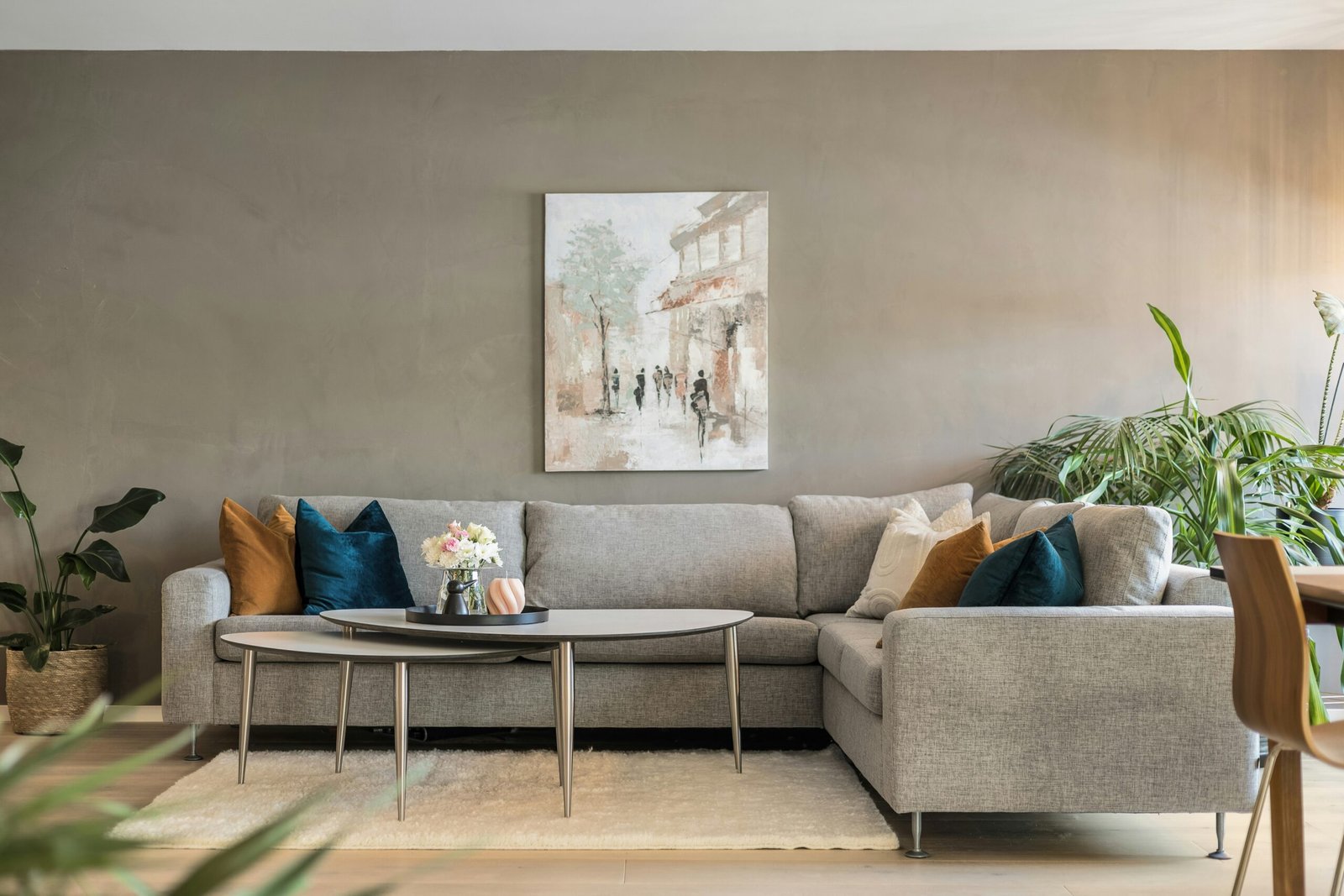

Picture this: You spend hours browsing online galleries, finally choose what seems like the perfect canvas wall art, and when it arrives, it looks completely wrong in your space. Sound familiar? You’re not alone – 73% of homeowners report feeling overwhelmed when choosing wall art, with 41% admitting they’ve made purchases they later regretted.
Here’s the truth that art retailers don’t want you to know: choosing canvas wall art isn’t about finding pretty pictures. It’s a strategic process that involves understanding color psychology, spatial relationships, and quality indicators that separate lasting investments from expensive mistakes.
Recent interior design studies reveal that properly chosen canvas wall art can increase room satisfaction by 67% while incorrectly selected pieces actually decrease overall space enjoyment. The difference comes down to following proven selection principles that professional designers use but rarely share with the public.
Whether you’re decorating your first apartment or refreshing an established home, learning how to choose canvas wall art correctly will transform your relationship with your living spaces forever. The right pieces don’t just hang on walls – they create mood, tell your story, and turn houses into homes.
Today, we’re revealing the nine expert secrets that will guide you through every aspect of canvas wall art selection, from initial inspiration to final placement. Get ready to choose with confidence, avoid costly mistakes, and create spaces that truly reflect your personality and enhance your daily life.
9 Professional Secrets for Choosing Perfect Canvas Wall Art
1. Master the Size Selection Formula
Professional designers use the 60-75% rule: your canvas should occupy 60-75% of available wall width for optimal visual impact. For furniture placement, ensure 6-8 inches clearance on each side and position the center 57-60 inches from the floor.
Critical Mistake to Avoid: Choosing pieces too small is the #1 error homeowners make, resulting in artwork that looks lost and insignificant on the wall.
2. Decode Color Psychology for Your Space
Different colors trigger specific emotional and physiological responses. Warm colors (reds, oranges, yellows) energize social spaces, while cool colors (blues, greens, purples) promote relaxation in bedrooms and private areas.
Pro Strategy: Use the existing color in your space to guide selection – artwork should either complement (similar tones) or strategically contrast (opposite wheel colors) with your décor.
3. Understand Canvas Quality Indicators
Premium canvas uses cotton or linen materials with tight, even weaves. Avoid synthetic materials that may sag or deteriorate over time. Gallery-wrapped edges (where canvas continues around frame sides) indicate professional-grade construction.
Quality Test: Legitimate sellers provide detailed material specifications, print resolution information, and often offer satisfaction guarantees on their canvas products.
4. Match Art Style to Room Function
Different rooms serve different purposes and benefit from specific artistic approaches. Living rooms handle bold, conversation-starting pieces, while bedrooms require calming, restful imagery that promotes relaxation and sleep.
Room-by-Room Guide: Kitchens work well with food or nature themes, offices benefit from motivational or geometric pieces, and bathrooms can handle humidity-resistant prints with spa-like themes.
5. Consider Lighting Conditions Carefully
Natural light changes throughout the day and seasons, affecting how canvas colors appear. Additionally, artificial lighting temperature (warm vs. cool) dramatically impacts color perception and mood.
Lighting Strategy: Test potential pieces under different lighting conditions if possible, and consider UV-protective coatings for pieces in high-light areas to prevent fading.
6. Plan for Long-term Satisfaction
Trendy pieces may lose appeal quickly, while timeless subjects and classic compositions provide lasting enjoyment. Consider your lifestyle changes – a piece perfect for a young professional might not suit growing family needs.
Investment Mindset: Choose pieces you genuinely love rather than following temporary trends. Quality canvas art should provide years of enjoyment and potentially appreciate in value.
7. Factor in Maintenance Requirements
Different canvas types require varying care levels. Textured pieces collect dust more readily, while glossy finishes show fingerprints easily. Consider your cleaning preferences and available maintenance time.
Practical Reality: High-traffic areas need durable, easy-to-clean options, while formal spaces can accommodate more delicate pieces requiring special care.
8. Budget Strategically for Maximum Impact
Allocate your art budget based on visual impact potential. One large, high-quality piece often provides better value than multiple small, cheap pieces. Consider cost-per-square-inch when comparing options.
Smart Spending: Invest more in statement pieces for main living areas, while using budget-friendly options in transitional spaces like hallways or powder rooms.
9. Test Before Committing When Possible
Many retailers offer satisfaction guarantees or return policies that allow real-world testing. Take advantage of these policies to ensure pieces work in your actual lighting and spatial conditions.
Risk Reduction: Save images of potential choices and visualize them in your space using smartphone apps or simple photo editing to preview placement effects.
Frequently Asked Questions
Identify your room’s dominant colors and choose artwork that incorporates 1-2 of these hues while introducing one complementary accent color. Match the artwork’s style intensity to your décor – minimalist rooms need simple pieces, while eclectic spaces can handle complex compositions.
Canvas prints reproduce artwork photographically onto canvas material, while original paintings involve actual paint application. High-quality prints can look nearly identical to originals at significantly lower costs. Choose originals for investment potential and prints for affordable decorating.
Odd numbers (1, 3, 5) create more visually pleasing arrangements than even numbers. For gallery walls, plan 2-3 inches between pieces and maintain consistent themes or colors. Single large pieces work better as statement focal points in smaller spaces.
Horizontal pieces make rooms feel wider and work well above sofas or beds. Vertical pieces draw eyes upward, making ceilings appear higher. Consider your room’s proportions and choose orientations that enhance rather than fight existing spatial characteristics.
Focus on timeless subjects like nature, abstracts, or classic photography rather than highly specific cultural references. Choose quality over trendy styles, and select pieces that reflect your personal interests rather than current fads.
Common Selection Mistakes and How to Avoid Them
Many homeowners choose canvas art impulsively without considering long-term compatibility with their spaces. This approach leads to purchases that never quite feel right and eventually require replacement, wasting money and creating frustration.
Another frequent error involves choosing pieces too small for the intended space. Undersized art looks insignificant and fails to create the desired visual impact, leaving rooms feeling unfinished or poorly proportioned.
Color mismatching represents another costly mistake. Art that clashes with existing décor creates visual tension rather than harmony, making spaces feel chaotic or unsettled rather than peaceful and welcoming.
The Psychology Behind Successful Art Selection
Understanding why certain pieces appeal to you personally helps predict long-term satisfaction with your choices. Consider your lifestyle, personality, and emotional needs when evaluating potential artwork.
Successful canvas selection also involves understanding how different subjects and styles affect mood and behavior. Nature scenes reduce stress, geometric patterns increase focus, and abstract art stimulates creativity and conversation.
Additionally, consider the message your art choices send to visitors and family members. Your canvas selections reflect your values, interests, and aesthetic preferences, contributing to your home’s overall personality and atmosphere.
Quality Assessment and Value Determination
Learning to evaluate canvas quality helps you make informed decisions and avoid overpaying for inferior products. High-quality canvas prints feature sharp image resolution, accurate color reproduction, and durable materials that maintain appearance over time.
Research artists, photographers, or publishers behind potential purchases. Established creators with strong reputations typically produce higher-quality work that may appreciate in value over time.
Consider the total cost of ownership, including framing, mounting, and potential maintenance expenses. Sometimes paying more upfront for higher quality results in lower long-term costs and greater satisfaction.
Building Your Canvas Art Collection Over Time
Successful art collecting involves patience and strategic planning rather than impulsive buying. Start with one anchor piece per room and build collections gradually, ensuring each addition enhances rather than competes with existing pieces.
Document your growing collection with photographs and purchase information for insurance and resale purposes. This practice also helps you avoid duplicate purchases and track successful color combinations for future selections.
Consider your evolving tastes and life circumstances when building collections. Pieces that feel perfect today should still provide satisfaction as your style and preferences naturally develop over time.
Conclusion
Choosing canvas wall art successfully requires more than good taste – it demands understanding the strategic principles that separate inspired selections from expensive mistakes. The nine expert secrets we’ve explored provide a roadmap for making confident, satisfying choices that enhance your living spaces for years to come.
Remember that the best canvas wall art combines personal meaning with professional presentation principles. Your chosen pieces should reflect your personality while following proven guidelines for size, color, and placement that maximize their visual and emotional impact.
The investment you make in learning proper selection techniques pays dividends every time you enter a room enhanced by thoughtfully chosen canvas art. These pieces become more than decoration – they’re daily sources of inspiration, conversation starters, and expressions of your unique personality and style.
As you begin applying these selection principles, trust the process and remember that confidence comes from knowledge. Armed with these expert insights, you’re ready to choose canvas wall art that transforms your spaces while avoiding the costly mistakes that plague uninformed buyers.
Your walls are waiting for art that truly belongs there. Which expert secret will guide your next canvas wall art selection toward creating the space of your dreams?