
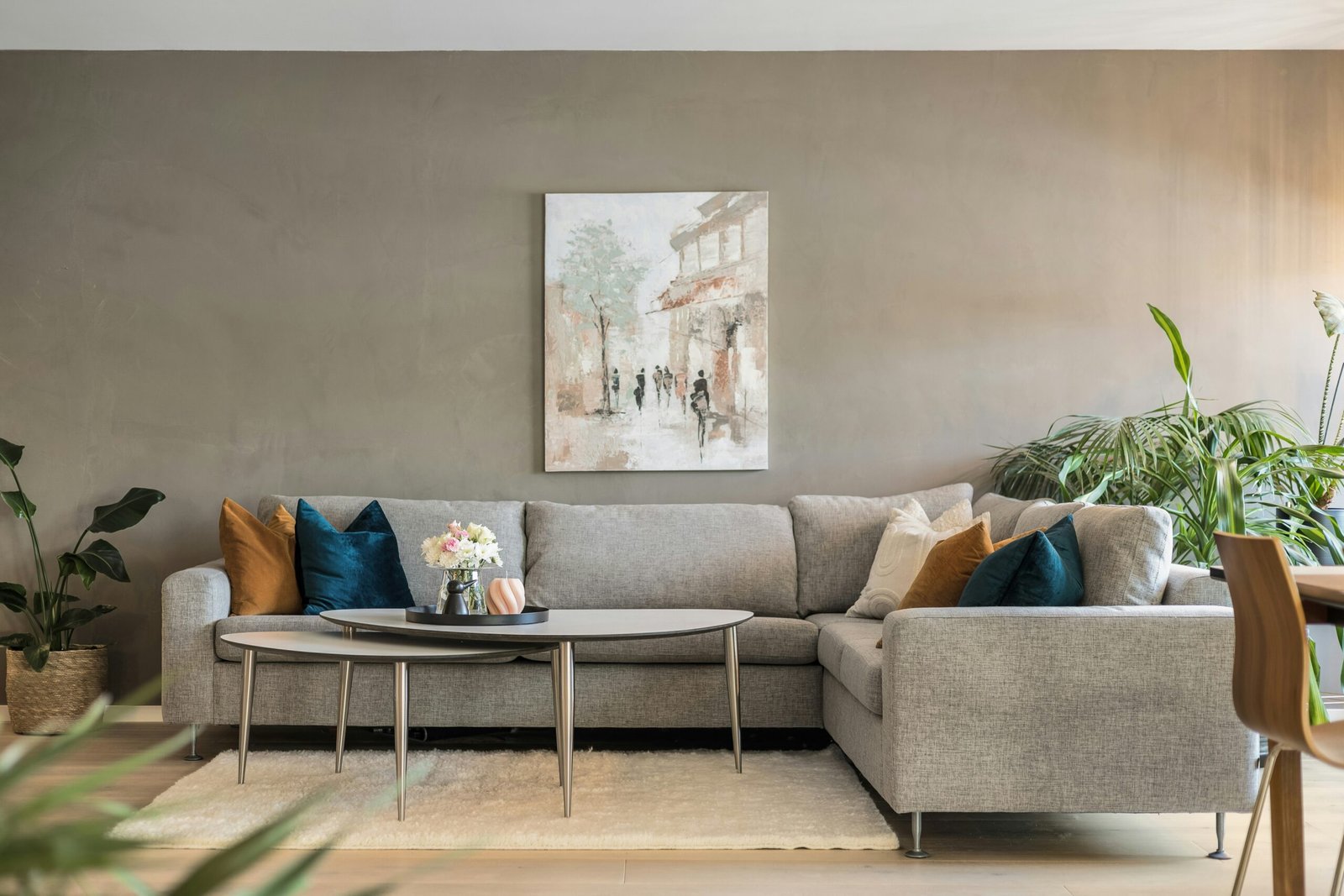
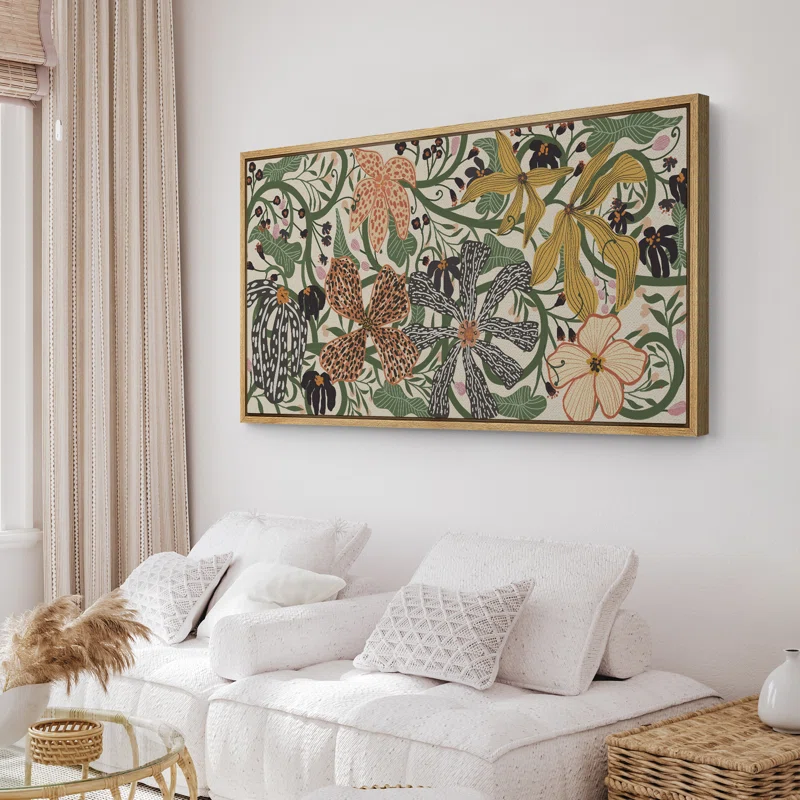
Mid-century modern botanical wall prints represent the perfect marriage between the atomic age’s optimistic futurism and humanity’s enduring fascination with the natural world. These iconic pieces transformed sterile modernist interiors into vibrant, livable spaces that celebrated both technological progress and botanical wonder.
Today’s design enthusiasts are rediscovering this powerful aesthetic combination, driving a 340% increase in searches for mid-century botanical prints over the past two years. Interior designers report that these prints create instant sophistication while adding organic warmth that contemporary minimalism often lacks.
In this comprehensive guide, you’ll discover 15 essential mid-century modern botanical prints that capture the era’s distinctive blend of scientific precision and artistic flair. These carefully selected pieces will help you create an authentic retro natural history style that feels both nostalgic and refreshingly contemporary.
The Revolutionary Design Philosophy Behind Mid-Century Botanical Art
Scientific Beauty Meets Atomic Age Optimism
The mid-century modern movement (1945-1965) emerged during an era of unprecedented scientific discovery and technological advancement. Botanical illustrations during this period reflected society’s growing fascination with scientific methodology, precision, and the atomic structure of the natural world.
Design pioneers like Charles and Ray Eames championed the integration of natural forms with modern materials and manufacturing techniques. Their influence extended beyond furniture into botanical art, where traditional naturalistic renderings gave way to simplified, geometric interpretations that celebrated nature’s underlying mathematical principles.
Scientific accuracy remained paramount, but mid-century artists presented botanical subjects through a distinctly modern lens. Clean lines, bold colors, and simplified forms created prints that functioned as both scientific documentation and contemporary art pieces.
The Psychology of Retro Natural History Style
Mid-century botanical prints tap into powerful psychological associations with progress, optimism, and harmony between technology and nature. Research indicates that spaces decorated with botanical imagery reduce stress levels by 23% while increasing creativity and focus.
The period’s distinctive color palettes—featuring vibrant oranges, deep teals, warm yellows, and rich browns—create environments that feel both energizing and grounding. These prints offer the perfect antidote to today’s digital overwhelm by reconnecting us with organic forms and natural beauty.
15 Essential Mid-Century Modern Botanical Wall Prints
Classic Atomic-Era Plant Studies (Prints 1-5)
1. Simplified Leaf Structure Diagrams These iconic prints reduce complex leaf forms to their essential geometric elements, often featuring bold line work against vibrant backgrounds that showcase the era’s love of atomic-inspired design.
2. Modernist Seed Pod Collections Celebrating nature’s architectural forms, these prints present seed pods as sculptural objects worthy of museum display, often arranged in systematic grids that reflect mid-century organizational aesthetics.
3. Stylized Tree Ring Studies These prints transform traditional dendrochronology into graphic art, using concentric circles and bold colors to create mesmerizing patterns that speak to both scientific inquiry and atomic imagery.
4. Geometric Flower Anatomy Illustrations Mid-century artists reimagined traditional botanical flower studies through modernist principles, creating prints that dissect blooms into component shapes while maintaining their natural beauty.
5. Abstract Root System Diagrams Underground plant structures became artistic inspiration, with root systems rendered as flowing, organic networks that prefigured later interests in systems thinking and interconnectedness.
Scientific Classification Series (Prints 6-10)
6. Modernist Botanical Classification Charts These prints update traditional taxonomic illustrations with clean typography, systematic layouts, and the period’s characteristic color schemes, making scientific organization visually striking.
7. Atomic-Age Growth Pattern Studies Documenting how plants develop over time, these sequential illustrations use mid-century graphic design principles to make botanical processes accessible and visually compelling.
8. Minimalist Comparative Anatomy Prints Side-by-side botanical comparisons rendered in the era’s distinctive style, these prints celebrate both scientific methodology and the period’s love of systematic visual organization.
9. Stylized Pollination Process Illustrations These dynamic prints capture the movement and interaction involved in plant reproduction, using bold arrows, simplified forms, and vibrant colors to make complex processes immediately understandable.
10. Mid-Century Seasonal Change Documentation Time-lapse botanical studies that show how plants transform throughout the year, presented with the period’s characteristic attention to systematic documentation and graphic clarity.
Decorative Natural History Collections (Prints 11-15)
11. Retro Cactus and Succulent Studies Desert plants perfectly matched mid-century aesthetic sensibilities, with their sculptural forms and geometric patterns creating prints that feel both exotic and architecturally sophisticated.
12. Modernist Fern Frond Patterns The mathematical precision of fern reproduction fascinated mid-century designers, resulting in prints that showcase these plants’ fractal beauty through contemporary graphic design principles.
13. Atomic-Era Mushroom Classifications Fungi offered perfect subjects for mid-century botanical art, with their unusual forms and systematic organization creating prints that feel both scientific and surreal.
14. Stylized Tropical Plant Collections Exotic plants from distant locations captured the era’s jet-age fascination with global exploration, presented through simplified forms and bold color palettes.
15. Mid-Century Herb Garden Layouts Practical botanical knowledge presented through modernist design principles, these prints combine usefulness with the period’s love of systematic organization and clean graphic presentation.
Frequently Asked Questions
Mid-century modern botanical prints feature several distinctive characteristics that set them apart from both traditional botanical illustrations and contemporary designs.
Authentic mid-century botanical prints typically feature several identifying characteristics.
Mid-century botanical prints work exceptionally well in spaces that embrace clean lines and minimal clutter.
Period-appropriate framing enhances the authentic mid-century aesthetic. Choose frames with clean lines in materials like walnut, teak, or brushed metal that reflect the era’s material preferences. Avoid ornate traditional frames that clash with the prints’ modernist sensibilities.
Absolutely! These botanical prints add organic warmth to stark modern spaces while maintaining sophisticated design integrity.
Styling Your Mid-Century Botanical Gallery
Creating Cohesive Arrangements
Successful mid-century botanical galleries require thoughtful organization that reflects the era’s systematic approach to design. Group prints by subject matter, color relationships, or scientific themes to create visual narratives that enhance both individual pieces and overall impact.
Consider the mathematical precision that mid-century designers loved by arranging prints in geometric patterns or systematic grids that echo the period’s organizational aesthetics.
Color Coordination Strategies
Mid-century color palettes provide excellent guidance for coordinating botanical print displays. Warm oranges, deep teals, sunny yellows, and rich browns create harmonious relationships while maintaining the period’s distinctive visual energy.
Balance vibrant accent colors with neutral backgrounds that allow the prints’ graphic elements to shine without overwhelming your space’s overall design scheme.
Lighting Considerations for Maximum Impact
Proper lighting showcases mid-century botanical prints’ graphic clarity and bold colors. Avoid harsh fluorescent lighting that distorts the period’s carefully chosen color palettes. Instead, use warm LED lighting or natural light that enhances the prints’ organic subjects and scientific precision.
Consider track lighting or picture lights that highlight individual pieces while creating the kind of gallery-quality presentation that mid-century homeowners aspired to achieve.
Building Your Mid-Century Botanical Collection
Starting Your Collection Strategically
Begin with a few key pieces that establish your preferred color scheme and subject matter focus. Scientific classification charts, simplified leaf studies, or geometric plant anatomy illustrations provide excellent foundation pieces that work well alone or as part of larger collections.
Budget $50-200 per print for high-quality reproductions, or $200-800 for authentic vintage pieces, depending on rarity and condition. Focus on building cohesive groupings rather than collecting random individual pieces.
Sourcing Authentic and Reproduction Pieces
Online marketplaces like Etsy and eBay offer extensive selections of both authentic vintage prints and high-quality reproductions. Antique shops, estate sales, and mid-century furniture dealers often carry original pieces at reasonable prices.
For reproductions, choose vendors who specialize in mid-century design and use appropriate printing techniques that capture the original pieces’ graphic quality and color accuracy.
Investment Considerations
While reproduction prints serve decorative purposes beautifully, authentic mid-century botanical prints can appreciate in value, particularly pieces from well-known designers or institutions. Research publication sources and designers to identify pieces with potential investment value.
However, focus primarily on pieces that enhance your living environment, as the greatest return comes from daily enjoyment of these beautiful and historically significant designs.
Conclusion
Mid-century modern botanical wall prints offer a unique opportunity to bring the atomic age’s optimistic blend of scientific precision and natural beauty into your contemporary living space. These distinctive pieces capture a pivotal moment in design history when humanity’s relationship with technology and nature found perfect artistic expression.
Whether you choose authentic vintage pieces or high-quality reproductions, these 15 essential botanical prints will transform your home into a sophisticated retro natural history paradise that celebrates both scientific wonder and timeless design excellence. The combination of organic subjects and modernist presentation creates environments that feel both intellectually stimulating and emotionally nurturing.
The enduring appeal of mid-century botanical prints lies in their ability to make scientific knowledge accessible and beautiful while adding organic warmth to modernist interiors. By incorporating these pieces into your home, you’re not just decorating—you’re participating in a design legacy that continues to influence contemporary aesthetic sensibilities.