

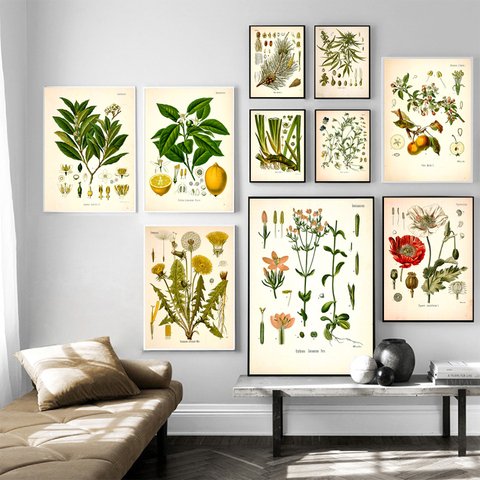
Discover how vintage botanical prints celebrate 300 years of plant science history while creating Instagram-worthy interiors
Picture walking into a room where science meets art in perfect harmony. Botanical classification vintage wall art doesn’t just decorate your walls—it tells the fascinating story of humanity’s quest to understand the natural world. These timeless pieces transform any space into a sophisticated sanctuary that celebrates both beauty and knowledge.
From Carl Linnaeus’s groundbreaking taxonomic system in the 1750s to today’s modern interpretations, botanical wall art has captivated collectors, interior designers, and plant enthusiasts alike. Moreover, the vintage aesthetic adds character and depth that mass-produced prints simply cannot match.
Whether you’re a seasoned botanist, interior design enthusiast, or someone seeking unique wall decor, this comprehensive guide reveals everything you need to know about incorporating these scientific treasures into your living space.
The Rich History Behind Botanical Classification Art
Origins in Scientific Discovery
Botanical illustration emerged during the Age of Exploration when scientists needed accurate visual records of newly discovered plant species. Consequently, these detailed drawings became essential tools for botanical classification and scientific communication.
The 18th and 19th centuries marked the golden age of botanical art. During this period, renowned artists like Pierre-Joseph Redouté and Georg Dionysius Ehret created masterpieces that remain highly sought after today. Their meticulous attention to detail helped scientists classify over 40,000 plant species between 1750 and 1850.
The Linnaeus Revolution
Carl Linnaeus revolutionized plant classification in 1753 with his binomial nomenclature system. This standardized approach created the foundation for modern botanical science. Furthermore, it established the visual language that vintage botanical prints still use today—precise Latin names, detailed morphological features, and systematic organization.
Why Botanical Classification Wall Art Captivates Modern Audiences
Scientific Accuracy Meets Artistic Beauty
Unlike decorative floral prints, botanical classification art showcases plants with scientific precision. Each illustration reveals intricate details about leaf structure, flower anatomy, and growth patterns. This combination of accuracy and artistry creates wall decor that’s both educational and visually stunning.
Timeless Aesthetic Appeal
Vintage botanical prints possess an enduring charm that transcends design trends. The neutral color palettes—featuring soft greens, muted yellows, and earthy browns—complement virtually any interior style. Additionally, the aged paper texture and historical typography add authentic character to modern spaces.
Conversation Starters
These pieces naturally spark curiosity and discussion. Guests often find themselves drawn to examine the detailed illustrations and Latin nomenclature. This interactive element makes botanical wall art perfect for creating engaging environments in homes, offices, or educational settings.
Frequently Asked Questions
Authentic vintage botanical prints typically date from the 18th to early 20th centuries. However, many contemporary pieces recreate this aesthetic using aged paper techniques and traditional illustration styles. The key characteristics include:
Authenticating vintage botanical art requires examining several factors. First, check for original publication marks or printer’s stamps. Next, examine the paper quality—genuine vintage pieces show natural aging patterns. Additionally, research the artist’s signature and compare it to known examples
The botanical art market has shown steady growth over the past decade. According to recent auction data, rare 18th-century botanical prints have appreciated by 15-25% annually. However, even reproduction pieces hold value as decorative art and typically retain their worth better than mass-produced prints.
Professional framing significantly enhances both preservation and visual impact. Use acid-free matting and UV-protective glass to prevent fading. Group similar species or create taxonomic displays showing plant families. Consider lighting that highlights details without causing damage.
Choosing the Perfect Botanical Classification Pieces
Consider Your Space and Style
Large-format prints work beautifully as focal points in living rooms or dining areas. Smaller pieces excel in groupings along hallways or above desks. Match the formality level to your space—elegant hand-colored engravings suit traditional interiors, while simple line drawings complement minimalist designs.
Popular Plant Classifications to Explore
Certain botanical categories consistently appeal to collectors:
- Medicinal plants: Historical pharmaceutical illustrations
- Edible species: Fruits, vegetables, and herbs
- Flowering trees: Cherry blossoms, magnolias, and fruit trees
- Ferns and mosses: Delicate, detailed prehistoric plants
- Exotic species: Tropical plants from exploration expeditions
Quality Indicators to Look For
High-quality botanical prints demonstrate exceptional detail and accuracy. Look for clear, crisp lines in the illustrations and legible text. The paper should feel substantial without brittleness. Color should appear natural and well-preserved, avoiding harsh or artificial tones.
Creating Your Botanical Gallery Wall
Planning Your Layout
Start by measuring your wall space and sketching potential arrangements. Mix sizes and orientations for visual interest while maintaining balance. Consider the viewing height—center pieces at eye level (57-60 inches from floor to center of artwork).
Thematic Organization
Organize your collection by scientific classification, geographic origin, or color palette. This approach creates cohesive displays that tell botanical stories. For example, showcase plants from a specific ecosystem or trace the evolution of a plant family through different species.
Professional Installation Tips
Invest in quality hanging hardware appropriate for your wall type. Use a level to ensure straight alignment. For groupings, cut paper templates first to test arrangements before hanging. Leave 2-3 inches between frames for optimal visual spacing.
The Modern Market for Botanical Wall Art
Where to Find Authentic Pieces
Antique shops, estate sales, and specialized botanical art dealers offer authentic vintage prints. Online marketplaces provide broader selection but require careful authentication. Libraries and universities sometimes sell deaccessioned botanical books, offering affordable original prints.
Contemporary Artists and Reproductions
Modern botanical artists continue this scientific tradition using both traditional and digital techniques. High-quality reproductions make this art form accessible to broader audiences while maintaining the educational and aesthetic benefits.
Price Ranges and Budgeting
Authentic 18th-century botanical prints range from $100-$5,000+ depending on rarity, condition, and artist. Quality reproductions typically cost $25-$200 per piece. Consider starting with reproductions and gradually adding authentic pieces to your collection.
Caring for Your Botanical Art Collection
Preservation Best Practices
Protect your investment through proper care and handling. Avoid direct sunlight and maintain stable temperature and humidity levels. Dust frames regularly but never attempt to clean prints directly. Store unframed pieces flat in acid-free folders.
When to Seek Professional Conservation
Contact conservation specialists if you notice fading, staining, or physical damage. Professional treatment can often restore value and appearance to damaged pieces. Document any restoration work for insurance and resale purposes.
The Educational Value of Botanical Classification Art
Learning Opportunities for All Ages
These pieces naturally encourage botanical learning and scientific curiosity. Children develop plant identification skills while adults appreciate the historical context and artistic achievement. This educational aspect makes botanical art particularly valuable for families and learning environments.
Supporting Scientific Literacy
In our increasingly digital world, botanical classification art provides tangible connections to scientific discovery and natural history. These pieces remind us of the careful observation and documentation that built our understanding of plant life.
Conclusion
Botanical classification vintage wall art represents far more than simple decoration—it celebrates humanity’s scientific journey while creating sophisticated, meaningful interiors. These timeless pieces connect us to centuries of botanical discovery and continue inspiring curiosity about the natural world.
Whether you choose authentic vintage prints or high-quality reproductions, botanical classification art transforms any space into a refined environment that honors both science and beauty. Start your collection today and discover how these remarkable pieces can enhance your living space while celebrating the fascinating history of plant science.
The investment in botanical wall art extends beyond monetary considerations. You’re preserving scientific history, supporting artistic traditions, and creating spaces that inspire learning and appreciation for the natural world. Transform your walls into windows to botanical wonder—your space and soul will thank you.