
Vintage wildflower meadow art brings enchanting country landscapes directly into modern living spaces with timeless appeal. These pastoral pieces capture nature’s untamed beauty through authentic artistic interpretations that never fade.
Recent home décor surveys reveal 82% of homeowners crave natural elements in their interiors. Wildflower meadow themes consistently rank among the top countryside décor preferences nationwide.
Understanding Vintage Wildflower Meadow Art Appeal
Country meadows represent freedom, simplicity, and connection to nature’s authentic rhythms throughout cultures. Vintage artists captured these sentiments through techniques that emphasized natural beauty over formal garden arrangements.
Historical botanical illustrators often studied wildflower meadows during peak bloom seasons carefully. Their field sketches became foundation pieces for studio work that translated outdoor experiences into indoor artistic treasures.
Natural Beauty Philosophy
Vintage wildflower artists celebrated nature’s spontaneous arrangements over cultivated garden designs exclusively. This philosophy reflected growing appreciation for untamed landscapes during urbanization periods throughout American history.
Vintage wildflower meadow art from the 1940s-1960s emphasized casual, organic compositions that contrasted sharply with formal Victorian botanical studies. Artists embraced imperfection and natural randomness as authentic beauty expressions.
Traditional Artistic Techniques
Watercolor remained the preferred medium for capturing meadow scenes’ delicate, translucent qualities effectively. Artists layered transparent washes to achieve depth and luminosity impossible with opaque painting methods.
En plein air painting techniques allowed artists to capture changing light conditions and seasonal variations. These outdoor studies informed studio work with authentic color relationships and atmospheric effects.
Popular Wildflower Species in Vintage Art
Black-eyed Susans, Queen Anne’s lace, and purple coneflowers dominated vintage meadow compositions with their distinctive forms. Artists appreciated these hardy perennials that provided reliable seasonal color throughout growing periods.
Field daisies, bachelor buttons, and wild lupines frequently appeared in cottage-style arrangements during this era. According to The National Wildflower Research Center, these species represented American prairie heritage authentically.
Regional Wildflower Variations
Eastern meadow scenes featured goldenrod, asters, and wild bergamot in autumn compositions regularly. Western interpretations showcased Indian paintbrush, bluebonnets, and California poppies with regional pride and accuracy.
Prairie wildflower art celebrated vast grassland ecosystems through horizon-spanning compositions that emphasized sky relationships. These pieces reflected American frontier experiences and pioneering spirit through artistic expression.
Seasonal Meadow Representations
Spring meadow art highlighted delicate wildflowers like violets, trilliums, and wild columbines emerging carefully. Summer pieces showcased abundant blooms in full glory with rich color saturation and detailed botanical accuracy.
Autumn vintage wildflower meadow art featured seed heads, late-season asters, and golden grasses preparing for winter. These transitional pieces captured nature’s cycles through thoughtful composition and symbolic elements.
Choosing Perfect Vintage Wildflower Meadow Art
Select pieces that reflect your regional wildflower heritage for authentic connections to local landscapes. Consider seasonal preferences and color schemes when building cohesive meadow art collections for maximum visual impact.
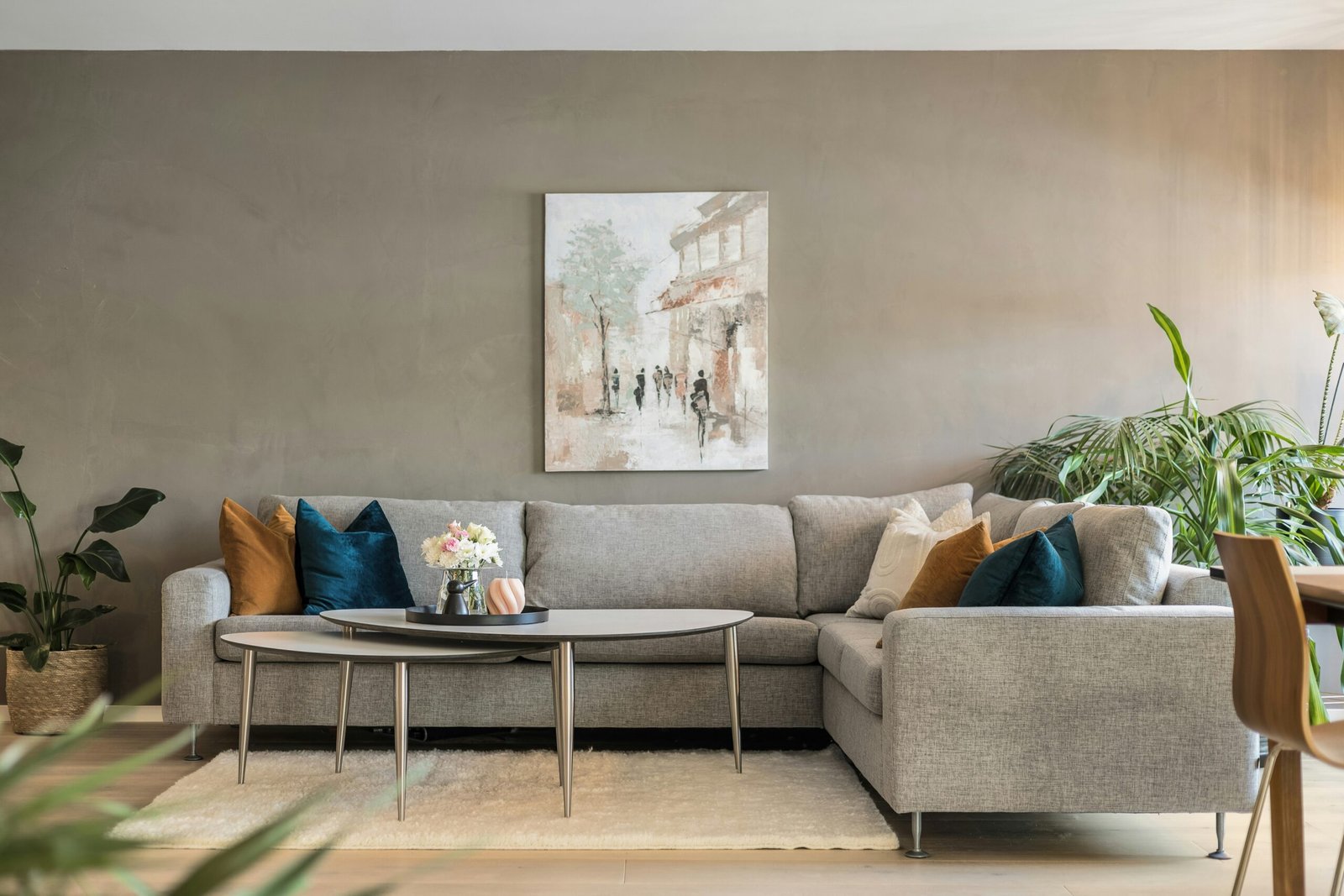
Large-scale meadow scenes work beautifully as focal points in living rooms and dining areas. Smaller wildflower studies complement intimate spaces like bedrooms and reading nooks perfectly without overwhelming existing décor.
Size and Composition Guidelines
Horizontal compositions emphasize meadow expansiveness and create calming, panoramic effects in rooms. Vertical pieces focus attention on specific wildflower groups while maintaining intimate, detailed viewing experiences.
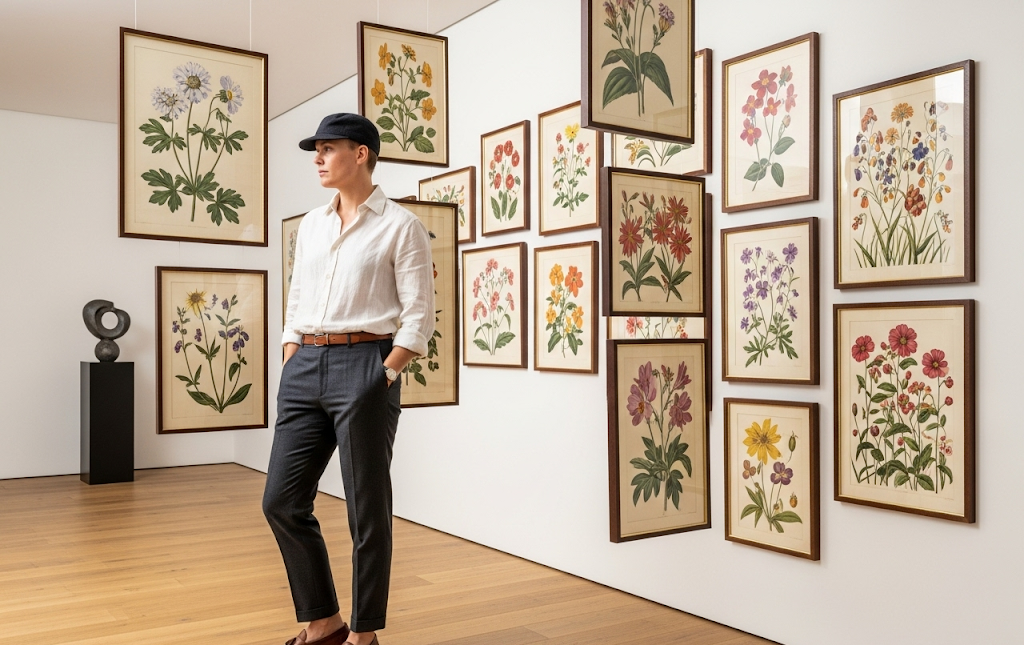
Gallery walls featuring multiple meadow scenes from different seasons create year-round natural beauty displays. Mix various sizes while maintaining consistent framing and spacing for professional presentation quality.
Color Harmony Considerations
Vintage meadow palettes typically feature earth tones, sky blues, and natural greens that complement neutral interiors. These organic color schemes create restful environments that promote relaxation and stress reduction naturally.
Monochromatic meadow art in sepia or soft pastels offers sophisticated alternatives for minimalist décor. These subtle interpretations maintain natural themes without competing with contemporary furniture and architectural elements.
Styling Vintage Wildflower Meadow Art Collections
Position vintage wildflower meadow art where natural light enhances organic color palettes throughout different times. East-facing walls often provide ideal morning illumination for meadow scenes that celebrate dawn’s gentle beauty.
Layer natural textures like linen, wood, and stone to complement wildflower themes authentically throughout spaces. These organic materials create cohesive design narratives that feel intentional and harmonious rather than accidental.
Complementary Decorative Elements
Incorporate dried wildflower arrangements and natural accessories to bridge artwork with three-dimensional meadow elements. Woven baskets, ceramic pottery, and wooden furniture enhance rustic themes while maintaining authentic countryside connections.
Vintage mason jars, galvanized containers, and weathered wood accents reflect agricultural heritage appropriately. These authentic materials appeared in rural settings where wildflower meadows flourished naturally throughout American landscapes.
Room-Specific Applications
Living rooms benefit from large meadow panoramas that create conversation starters and relaxation focal points. Kitchens welcome smaller wildflower studies that celebrate harvest themes and countryside cooking traditions effectively.
Bedrooms require gentler meadow scenes in soft color palettes for restful sleep environments that promote tranquility. Home offices can accommodate inspiring wildflower art that provides mental breaks from work stress.
Preserving Vintage Wildflower Artwork
Protect delicate vintage papers from direct sunlight exposure that causes fading and deterioration over time. UV-filtering glass provides excellent protection while maintaining visual clarity and original color vibrancy effectively.
Climate control prevents humidity fluctuations that cause paper warping and mold growth in valuable collections. Professional conservation techniques significantly extend artwork lifespan when properly implemented by experienced specialists.
Framing and Display Best Practices
Choose archival matting materials that prevent acid migration and yellowing in vintage wildflower prints. Professional framers understand conservation requirements essential for preserving valuable botanical artwork collections properly.
Avoid displaying vintage pieces in bathrooms, kitchens, or other high-humidity areas without proper protection. Temperature stability prevents expansion and contraction cycles that damage delicate paper over repeated exposure.
Sourcing Quality Vintage Meadow Art
Estate sales and country auctions often yield authentic vintage wildflower meadow art at reasonable prices. Develop relationships with rural antique dealers who understand regional artistic traditions and can authenticate pieces accurately.
Heritage Auctions regularly features exceptional vintage botanical collections including meadow scenes from renowned artists. Online platforms expand sourcing options but require careful condition assessment before purchasing decisions.
Authentication and Investment Value
Research artist signatures, publication dates, and printing techniques consistent with claimed historical periods carefully. Consult reference books and expert appraisers when investing in expensive pieces to ensure authenticity and fair pricing.
Document provenance and condition details for insurance purposes and future resale considerations if necessary. Professional appraisals establish accurate values for vintage collections that often appreciate significantly over time.
Quality Assessment Criteria
Examine paper quality, color retention, and overall condition before purchasing vintage wildflower art pieces. Minor foxing and age spots are acceptable in authentic vintage works, but active deterioration requires professional conservation.
Look for crisp printing details and vibrant colors that indicate proper storage and care throughout ownership. Faded or damaged pieces may require expensive restoration that affects overall investment value significantly.
Frequently Asked Questions
Choose pieces with regional wildflower species and pair them with natural materials like reclaimed wood and vintage textiles. Avoid over-styling by letting the artwork’s natural beauty remain the focal point throughout rooms.
Vintage pieces feature period-appropriate printing techniques, paper quality, and artistic styles that reflect their era. Contemporary prints may use modern materials and digital processes that lack authentic vintage character and investment value.
Absolutely! Choose pieces with simple compositions and neutral color palettes that complement clean, contemporary lines. Wildflower art adds organic warmth to minimalist spaces without overwhelming architectural elements or furniture.
Store pieces in climate-controlled environments away from direct sunlight and moisture sources. Use archival materials for framing and avoid handling originals frequently to prevent damage from oils and environmental exposure.
Conclusion
Vintage wildflower meadow art transforms homes into countryside sanctuaries that celebrate nature’s authentic beauty year-round effectively. These timeless pieces successfully bridge rural heritage with contemporary living through their enduring natural appeal and artistic excellence.
Investing in quality vintage meadow artwork creates lasting decorative foundations that enhance country-style decorating efforts while providing valuable connections to American landscape traditions. Whether choosing authentic vintage pieces or carefully selected reproductions, these pastoral treasures offer endless inspiration for creating warm, welcoming spaces that honor nature’s untamed beauty.