
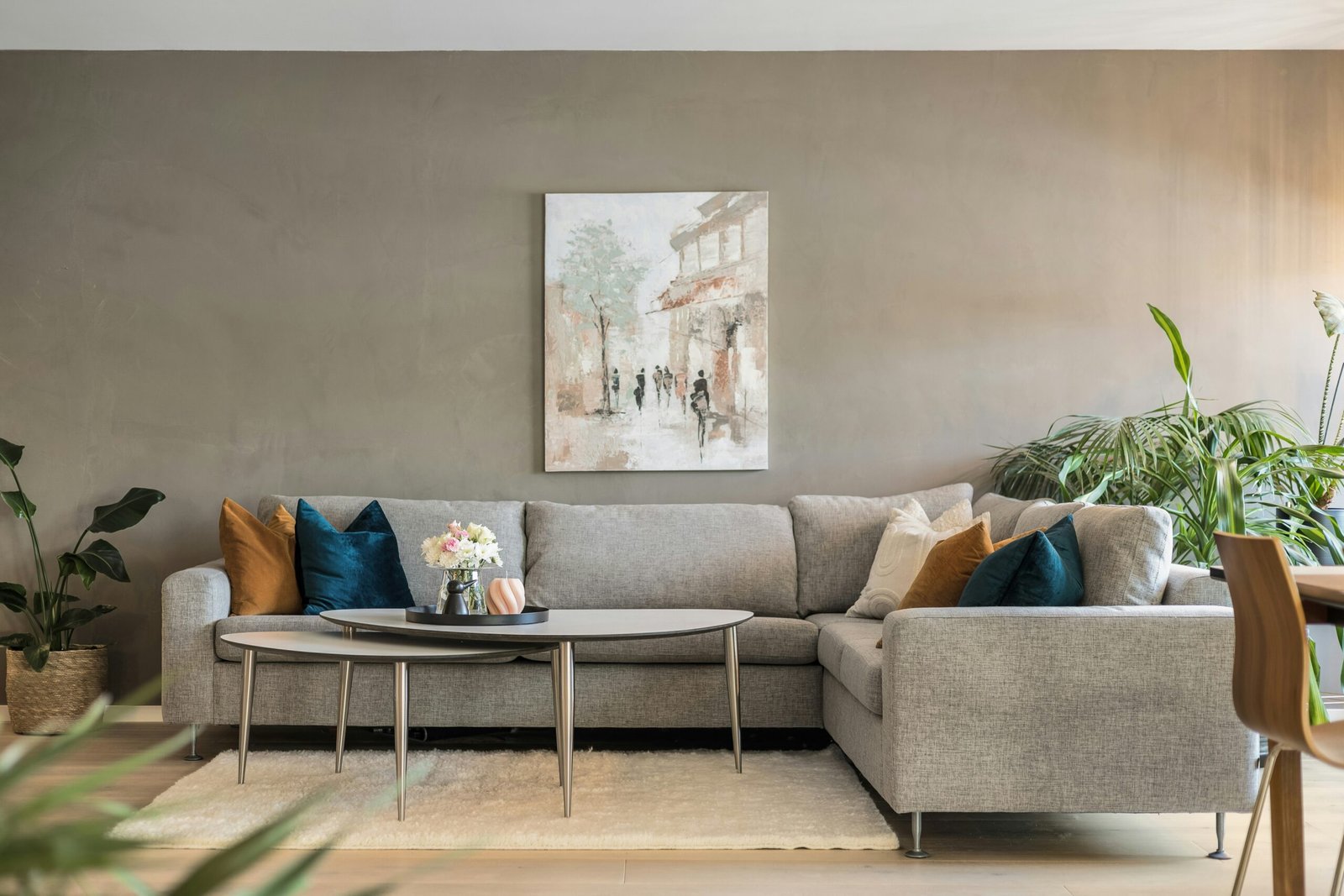

Walking into your home should feel like stepping into a space that perfectly captures your personality and style. Yet, many homeowners struggle with one crucial element: choosing and displaying art prints that transform blank walls into inspiring focal points.
The challenge isn’t finding art prints—it’s knowing how to select, arrange, and display them effectively. Recent interior design studies reveal that 89% of people feel happier in homes with thoughtfully chosen wall art, while 76% of visitors form lasting impressions based on a home’s art selections within the first 30 seconds of entering.
This comprehensive guide walks you through every step of decorating your home with art prints, from initial selection to final placement. Whether you’re starting from scratch or refreshing existing decor, these proven strategies will help you create a home that feels both personal and professionally designed.
Step 1: Assess Your Space and Define Your Vision
Before purchasing a single art print, take time to understand your space and clarify your decorating goals. This foundational step prevents costly mistakes and ensures cohesive results.
Space Assessment Checklist:
- Measure your walls and note furniture placement to determine available display areas
- Evaluate lighting conditions throughout the day to understand how prints will appear
- Identify architectural features like windows, doorways, and built-ins that influence placement
- Document existing color schemes to ensure new prints complement current decor
Vision Clarity Exercise: Walk through each room and ask yourself: “What mood do I want to create here?” Living rooms might call for energizing, conversation-starting pieces, while bedrooms benefit from calming, personal artwork.
Pro Tip: Take photos of your empty walls from multiple angles. These reference images help when shopping for prints online and prevent scale misjudgments.
Step 2: Master the Art Print Selection Process
Choosing art prints that work together while reflecting your personality requires strategic thinking beyond personal preference alone.
The 60-30-10 Color Rule: Apply this interior design principle to your art print selection:
- 60% neutral or background colors that complement your existing palette
- 30% secondary colors that add interest without overwhelming
- 10% accent colors for dramatic pops that create visual excitement
Subject Matter Strategy: Create visual flow by choosing prints with connecting elements:
- Thematic connections: Nature scenes throughout, geometric patterns, or cultural themes
- Color relationships: Varying shades of similar colors or complementary color schemes
- Stylistic consistency: Similar artistic techniques or time periods
Quality Indicators to Prioritize:
- Paper weight: Minimum 200gsm for durability and professional appearance
- Ink quality: Archival inks that resist fading for 75+ years
- Resolution: High-DPI printing for crisp details and smooth color transitions
- Artist authenticity: Original designs or properly licensed reproductions
Step 3: Determine Perfect Sizing and Scale
Incorrect sizing ranks as the most common art print decorating mistake. Following professional guidelines ensures your prints enhance rather than diminish your space.
Furniture Relationship Rules:
- Above sofas: Prints should span 2/3 the width of the furniture
- Over dining tables: Allow 6-12 inches on each side of the artwork
- In bedrooms: Prints above headboards should be proportional to bed width
- Hallway displays: Use vertical orientations to complement narrow spaces
Room Size Considerations:
- Large rooms (200+ sq ft): Can accommodate statement pieces 24″x36″ or larger
- Medium rooms (100-200 sq ft): Work well with 16″x20″ to 24″x30″ prints
- Small rooms (under 100 sq ft): Benefit from 11″x14″ to 16″x20″ pieces
- Gallery walls: Mix sizes while maintaining 2-3 inch spacing between pieces
Height Placement Guidelines: Position prints so their centers hang 57-60 inches from the floor—standard museum height that works for most viewers. Adjust slightly higher in rooms where people primarily stand, lower in spaces designed for sitting.
Step 4: Choose Frames That Enhance, Don’t Distract
Framing decisions significantly impact your art prints’ visual impact and longevity. Smart frame choices protect your investment while complementing your decor style.
Frame Style Selection by Decor:
- Modern/Contemporary: Sleek metal or simple wood frames in black, white, or natural finishes
- Traditional: Ornate wood frames in rich finishes like mahogany, cherry, or gold-leafed options
- Rustic/Farmhouse: Weathered wood, barnwood, or painted frames with distressed finishes
- Industrial: Raw metal, black steel, or frameless mounting systems
- Scandinavian: Light oak, white, or natural wood in clean, simple profiles
Matting Decisions:
- Use matting for prints smaller than 16″x20″ to prevent them from appearing insignificant
- Choose acid-free materials to prevent discoloration over time
- Consider colored mats for subtle accent enhancement, but white or cream remain safest choices
- Maintain proportional borders: 2-4 inches for small prints, 4-6 inches for larger pieces
Budget-Friendly Frame Options:
- IKEA and Target offer stylish, affordable frames perfect for print experimentation
- Online frame retailers provide custom sizing at competitive prices
- Thrift stores yield unique vintage frames perfect for eclectic gallery walls
- DIY frame updates using spray paint or wood stain transform basic frames
Step 5: Create Compelling Gallery Wall Arrangements
Gallery walls transform ordinary spaces into dynamic visual experiences, but successful arrangements require careful planning and execution.
Planning Your Layout:
- Cut paper templates matching your frame sizes to experiment with arrangements
- Start with your largest piece as the anchor, then build around it
- Maintain consistent spacing of 2-3 inches between all frames
- Create visual balance by distributing visual weight evenly across the arrangement
- Consider sight lines from multiple room entry points
Gallery Wall Formulas That Always Work:
The Grid: Perfect squares or rectangles create clean, organized appearances ideal for modern spaces.
The Salon Style: Floor-to-ceiling arrangements with varied sizes create dramatic, maximalist impact.
The Linear: Horizontal rows work beautifully above long furniture pieces like sofas or credenzas.
The Organic: Asymmetrical arrangements feel casual and collected-over-time.
Professional Installation Tips:
- Mark your template positions with removable painter’s tape before hanging
- Use picture ledges for easily adjustable arrangements, especially in rental properties
- Install proper hardware rated for your frames’ combined weight
- Level everything using a quality bubble level or smartphone app
Step 6: Strategic Placement for Maximum Impact
Understanding how people naturally view spaces helps you position art prints where they’ll have the greatest emotional and visual impact.
High-Impact Locations:
- Entry halls: Create memorable first impressions with statement pieces
- Above mantels: Natural focal points that anchor entire room designs
- Stair walls: Long, vertical spaces perfect for ascending arrangements
- Behind beds: Transform bedrooms into hotel-suite sophistication
- Dining room walls: Encourage lingering conversation with thoughtfully chosen pieces
Traffic Flow Considerations: Position prints where people naturally pause or spend extended time. Avoid high-traffic areas where pieces might be accidentally damaged or go unnoticed due to rushed movement.
Lighting Integration:
- Picture lights create museum-quality illumination for special pieces
- Track lighting offers flexibility for changing arrangements
- Natural light enhances colors but requires UV-protective glass for valuable prints
- Accent lighting from table lamps creates intimate evening viewing experiences
Step 7: Budget-Smart Shopping Strategies
Creating impressive art print displays doesn’t require unlimited budgets. Smart shopping strategies maximize your decorating dollars while building meaningful collections.
Budget Allocation Guidelines:
- 70% on prints themselves, prioritizing quality and personal connection
- 20% on framing to protect and present your investment properly
- 10% on hardware and accessories including lighting and hanging systems
Money-Saving Shopping Tips:
- Buy directly from artists at local shows and online marketplaces for unique pieces at fair prices
- Shop end-of-season sales at major retailers for significant discounts on trending styles
- Consider print-on-demand services for custom sizing and personalization options
- Join artist mailing lists for exclusive previews and subscriber-only discounts
- Bundle purchases when possible to reduce per-piece and shipping costs
Investment Priorities: Focus higher budgets on prints for main living areas where you’ll see them daily. Use more affordable options for hallways, guest rooms, and experimental pieces you might change seasonally.
Frequently Asked Questions
There’s no magic number, but aim for intentional curation rather than random accumulation. Small rooms work well with 3-5 pieces, while larger spaces can accommodate more. The key is ensuring each piece has breathing room and serves a visual purpose.
Perfect matching creates boring, hotel-like spaces. Instead, aim for cohesive elements like similar color palettes, complementary themes, or consistent framing styles while allowing individual pieces to maintain their unique character.
Use appropriate wall anchors rated for your print’s weight plus 50% extra for safety margin. For valuable pieces, consider professional installation. Always locate wall studs for the most secure mounting.
Absolutely! Mixed media gallery walls create dynamic, interesting displays. Connect different mediums through shared color schemes, subjects, or emotional themes for cohesive results.
Quality art prints should feel timeless rather than trendy. However, seasonal rotations or annual updates can refresh your space without major expense. Focus on adding new pieces rather than replacing beloved ones.
Step 8: Maintain and Care for Your Art Print Collection
Proper care ensures your art prints maintain their beauty and value for decades. Simple maintenance routines protect your investment while preserving the joy they bring.
Daily Care Practices:
- Dust frames monthly with microfiber cloths to prevent buildup
- Avoid direct sunlight during peak UV hours when possible
- Monitor humidity levels in display areas to prevent paper warping
- Check hanging hardware annually to ensure continued security
Long-Term Preservation:
- Rotate seasonal pieces to reduce light exposure for valuable prints
- Store unused prints flat in acid-free boxes with tissue paper between pieces
- Document your collection with photos and purchase information for insurance purposes
- Professional cleaning every few years for valuable or sentimental pieces
Creating Your Personal Art Print Legacy
Decorating your home with art prints creates more than beautiful wall displays—it builds visual narratives that reflect your journey, interests, and evolving taste. Each piece you choose becomes part of your personal story, creating emotional connections that transform houses into homes.
Building Meaningful Collections:
- Travel memories: Prints from places you’ve visited or dream of exploring
- Artist discoveries: Supporting creators whose work resonates with your values
- Family connections: Pieces that celebrate relationships and shared experiences
- Personal growth: Art that reflects your evolving interests and perspectives
Future-Proofing Your Choices: Select prints based on genuine emotional connections rather than fleeting trends. Quality pieces that speak to you personally will remain meaningful even as your style evolves, making them wise long-term investments in your happiness and home’s atmosphere.
Transform Your Home Starting Today
The perfect time to begin decorating your home with art prints is now. Start with one room, one wall, or even one carefully chosen piece that truly speaks to you. Each addition builds momentum and confidence, gradually transforming your space into a reflection of your unique personality and style.
Remember that creating a beautifully decorated home is a journey, not a destination. Allow your art print collection to evolve naturally, adding pieces that genuinely move you rather than filling empty walls quickly. The most inspiring homes develop over time, each piece chosen with intention and love.
Your walls are waiting to tell your story. With these proven strategies and expert insights, you’re equipped to create art print displays that not only look professionally designed but also feel authentically yours. Start today, and watch as your home transforms into the inspiring, personal sanctuary you’ve always envisioned.