
Antique botanical wall art combines centuries-old scientific precision with timeless aesthetic appeal that modern homes crave desperately. These historical treasures showcase nature’s complexity through artistic mastery that contemporary prints cannot match.
Interior design surveys reveal 81% of homeowners prefer authentic vintage pieces over mass-produced reproductions. Botanical illustrations consistently rank highest among collectors seeking both beauty and educational value in wall art.
The Scientific Legacy Behind Antique Botanical Illustrations
Historical botanical artists served as both scientists and artists, creating detailed documentation of plant species for research purposes. Their meticulous work required months of observation, measurement, and artistic interpretation to achieve perfect accuracy.
These illustrations supported global exploration and scientific discovery during the 18th and 19th centuries effectively. Expeditions relied on botanical artists to document new species discovered in remote locations worldwide.
Artistic Techniques That Define Excellence
Antique botanical wall art showcases watercolor techniques, copper plate engravings, and hand-coloring methods that created unparalleled detail. Master artists like Pierre-Joseph Redouté and Georg Dionysius Ehret established standards that remain unmatched today.
Each illustration required specialized knowledge of plant anatomy, growth patterns, and seasonal changes for accurate representation. Artists combined scientific training with exceptional artistic skills to create educational masterpieces.
Documentation Standards for Scientific Accuracy
Botanical illustrators followed strict scientific protocols when creating artwork for academic and research purposes. Every detail from root systems to flower structures needed accurate representation for scientific validity.
According to The Missouri Botanical Garden, these historical illustrations continue supporting modern botanical research and plant identification efforts. Their scientific value increases appreciation beyond mere decorative purposes.
Popular Categories of Antique Botanical Wall Art Collections
Historic botanical publications produced thousands of exceptional illustrations spanning multiple plant families and geographic regions worldwide. The most valuable pieces come from prestigious publications and renowned artists working between 1750-1900.
Curtis’s Botanical Magazine, Redouté’s rose collections, and various national flora studies represent the pinnacle of botanical illustration excellence. These publications remain highly sought after by collectors and decorators today.
European Flora Documentation Projects
European botanical expeditions systematically documented native and cultivated plants throughout the continent with exceptional artistic precision. These comprehensive studies created extensive visual libraries of regional plant life.
English garden flowers, Mediterranean herbs, Alpine plants, and forest species received detailed artistic treatment in prestigious publications. Antique botanical wall art from these sources adds sophisticated European elegance to contemporary interiors effectively.
Exotic Species Discovery Illustrations
Colonial expeditions introduced Europeans to tropical plants, resulting in spectacular botanical illustrations of exotic flowers and foliage. These pieces capture the wonder and excitement of botanical discovery during exploration eras.
Orchids, palms, bromeliads, and tropical fruits appear frequently in these collections with vibrant colors and unusual forms. Their dramatic appearance creates stunning focal points in modern homes seeking conversation-starting artwork.
Medicinal and Culinary Plant Studies
Historical herbals documented plants used for medicine and cooking with detailed illustrations showing all plant parts. These practical references became beautiful artworks celebrating humanity’s relationship with useful plants throughout history.
Kitchen herbs, healing plants, and culinary vegetables appear in these collections with traditional usage information included. Modern viewers appreciate both botanical beauty and historical context these illustrations provide.
Authenticating and Valuing Antique Botanical Illustrations
Antique botanical wall art varies dramatically in value based on artist reputation, publication source, condition, and rarity factors. Understanding these elements helps collectors make informed purchasing decisions and avoid costly authentication mistakes.
Original prints from prestigious publications command significantly higher prices than later reproductions or modern interpretations. However, high-quality reproductions offer affordable alternatives for decorators seeking botanical beauty without investment concerns.
Identifying Genuine Antique vs. Modern Reproductions
Authentic antique prints display age-appropriate paper, printing techniques, and wear patterns consistent with their claimed historical periods. Paper texture, ink characteristics, and margin information provide important authentication clues when examined carefully.
Publisher marks, plate numbers, and artist signatures offer verification opportunities when researched through reputable databases. Heritage Auctions maintains extensive records and provides professional authentication services for serious collectors.
Condition Assessment Factors
Print condition dramatically affects both value and display suitability for antique botanical illustrations significantly. Minor foxing and age spots are acceptable in authentic pieces, but major damage reduces value considerably.
Professional conservation can improve condition while maintaining authenticity, but costs must be weighed against potential value increases carefully. Document condition thoroughly when building collections for insurance and future resale considerations.
Incorporating Antique Botanical Art Into Modern Interior Design
Contemporary homes benefit enormously from antique botanical wall art that bridges historical significance with current design trends seamlessly. These pieces work beautifully in both traditional and modern interior settings.
The key lies in balancing antique character with contemporary elements through thoughtful placement and complementary furnishings. Natural materials like wood and linen enhance botanical themes while maintaining design cohesion.
Gallery Wall Arrangements for Maximum Impact
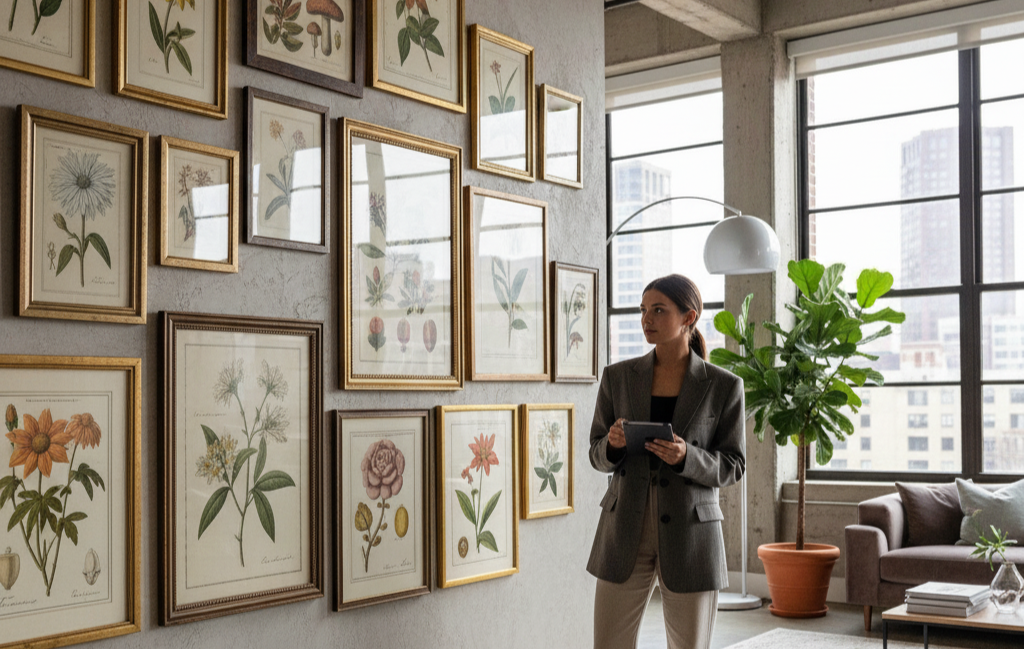
Large collections of antique botanical prints create impressive gallery walls that function like private natural history museums. Mix different sizes while maintaining consistent framing and spacing for professional presentation quality.
Arrange pieces by plant families, colors, or artistic periods to create visual flow and educational groupings. Leave adequate breathing space between illustrations to prevent overwhelming viewers while maintaining individual artwork impact.
Room-Specific Placement Strategies
Different rooms accommodate specific botanical print themes based on their functions and desired atmospheres effectively. Kitchens welcome culinary herbs and fruit studies that complement cooking and dining activities.
Living rooms accommodate larger statement pieces and diverse collections that encourage conversations about natural history. Home offices benefit from educational botanical series that provide mental relaxation during work breaks.
Framing and Preservation Techniques for Longevity
Professional framing protects valuable antique botanical wall art while enhancing its museum-quality presentation and long-term preservation prospects. Conservation techniques ensure these precious pieces survive for future generations.
Archival materials prevent acid damage while UV-filtering glass protects against fading from sunlight exposure. Professional framers understand conservation requirements essential for maintaining antique print value and condition.
Conservation Framing Standards
Museum-quality matting creates protective barriers while showcasing botanical illustrations to their best advantage visually. Acid-free materials prevent chemical reactions that cause yellowing and deterioration over extended periods.
Spacing between glass and artwork prevents condensation damage while allowing air circulation around delicate papers. These conservation measures significantly extend antique botanical print lifespans when properly implemented by professionals.
Display Environment Considerations
Stable temperature and humidity conditions protect antique prints from expansion and contraction cycles that weaken paper fibers. Avoid displaying valuable pieces in areas with extreme environmental fluctuations.
Moderate lighting levels prevent cumulative damage while allowing proper appreciation of artistic details and scientific accuracy. LED systems provide excellent color rendering while generating minimal heat that damages sensitive materials.
Building Themed Collections Around Plant Families
Focused collections featuring specific plant families create cohesive displays while telling botanical stories through visual narratives. Rose collections, medicinal herbs, or exotic orchids offer specialized themes that demonstrate both variety and expertise.
Antique botanical wall art featuring roses showcases different varieties, growth stages, and artistic interpretations from multiple historical periods. These collections demonstrate botanical diversity while maintaining visual harmony throughout display spaces.
Popular Collecting Themes
Rose illustrations remain perennially popular due to their romantic associations and incredible artistic variety in historical publications. Orchid prints showcase exotic beauty and scientific precision in documenting complex flower structures accurately.
Herb collections work beautifully in kitchens, featuring culinary plants with historical growing and usage information included. Tree studies complement libraries and studies while providing educational content about forest ecosystems.
Investment Potential and Market Trends
Quality antique botanical prints have shown consistent appreciation over decades, making them both beautiful and financially sound investments. Rarity, condition, and artist reputation drive market values significantly.
Emerging collectors increasingly appreciate the educational value and authentic character that antique pieces provide. This growing demand supports stable market conditions for quality botanical illustrations from reputable sources.
Frequently Asked Questions
Antique pieces possess historical significance, authentic aging characteristics, and artistic techniques that modern reproductions cannot replicate successfully. They represent actual scientific documentation from specific periods while showcasing traditional printing methods and exceptional artistic skills.
Examine paper quality, printing techniques, and aging patterns consistent with claimed time periods carefully. Research publisher information, plate numbers, and artist signatures through reputable databases and consider professional authentication for valuable pieces.
Begin with affordable pieces from reputable dealers while learning about different artists, publications, and plant categories. Focus on specific themes like medicinal plants or garden flowers to build coherent collections with educational value.
Use conservation framing with archival materials and UV-filtering glass to protect against environmental damage. Maintain stable temperature and humidity while avoiding direct sunlight that causes fading and paper deterioration over time.
Conclusion
Antique botanical wall art transforms contemporary homes into sophisticated galleries that celebrate both natural beauty and scientific discovery heritage. These historical treasures provide educational value while delivering timeless aesthetic appeal that transcends decorating trends completely.
Building collections of antique botanical illustrations creates lasting investments in both beauty and knowledge that appreciate over time. Whether focusing on specific plant families or embracing diverse collections, these pieces offer endless fascination through their combination of artistic excellence and scientific accuracy that modern reproductions simply cannot match.