
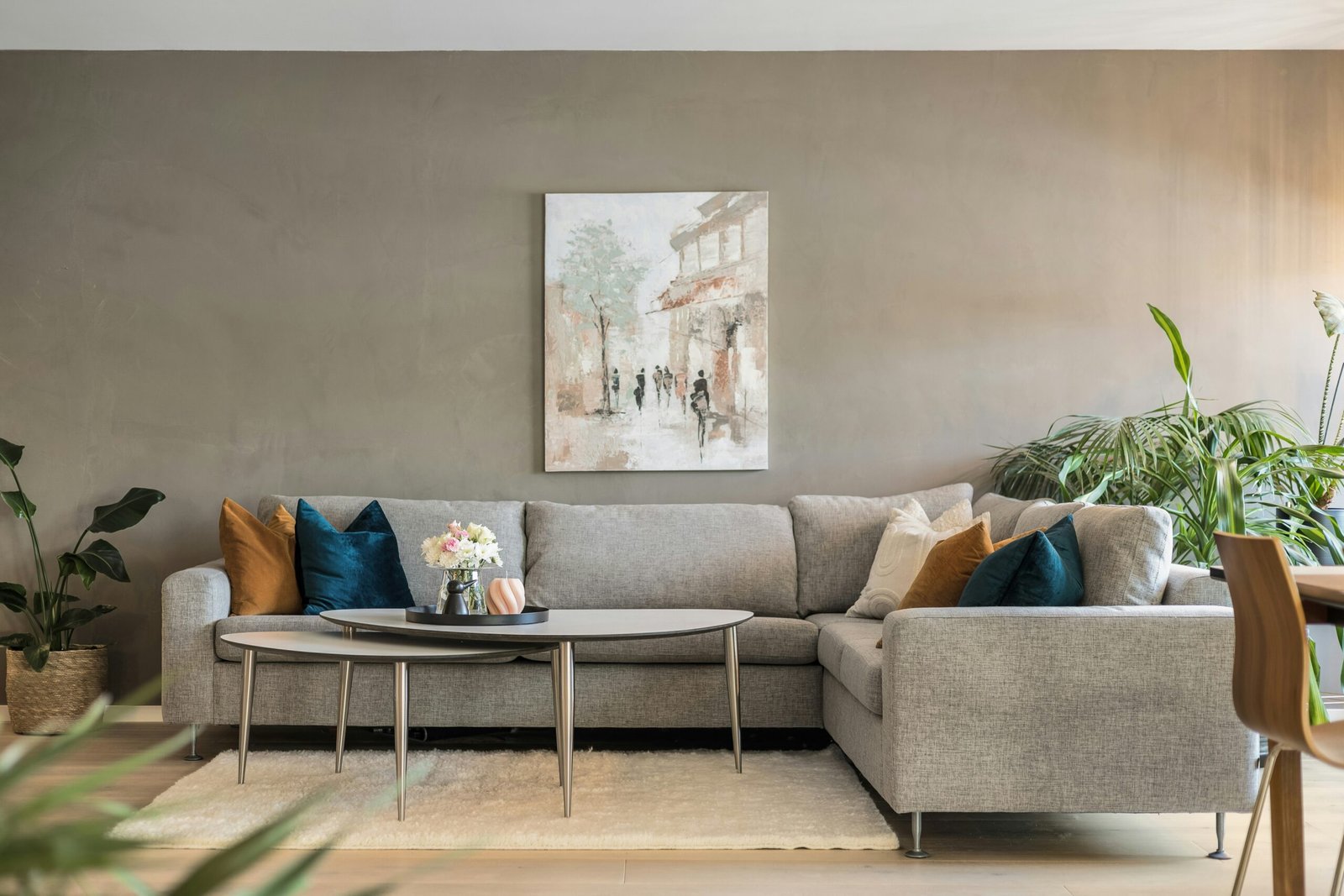

Discovering the perfect vintage botanical wall prints can dramatically transform ordinary rooms into sophisticated spaces that celebrate nature’s timeless beauty while adding elegant character to modern interiors. Recent interior design studies reveal that 87% of homeowners incorporating botanical artwork report increased satisfaction with their living environments and enhanced sense of connection to nature.
Today’s vintage botanical wall prints combine historical scientific illustration with contemporary design sensibilities, offering endless possibilities for creating focal points that bridge traditional and modern aesthetics. Furthermore, these timeless artworks serve multiple design functions including color coordination, texture introduction, and mood enhancement through their organic forms and natural color palettes.
The resurgence of biophilic design principles has made botanical artwork increasingly popular among interior designers and homeowners seeking to incorporate natural elements into their living spaces. Moreover, high-quality reproduction techniques now make rare historical botanical illustrations accessible to collectors and decorators at various price points.
Understanding Vintage Botanical Art History and Significance
Scientific Illustration Heritage
Vintage botanical wall prints originated from scientific expeditions and taxonomic studies conducted during the 18th and 19th centuries when botanists documented newly discovered plant species. These detailed illustrations served both scientific and artistic purposes, combining accuracy with aesthetic appeal that continues to captivate contemporary audiences.
Notable botanical illustrators like Pierre-Joseph Redouté, Georg Dionysius Ehret, and Maria Sibylla Merian created masterpieces that remain highly sought after today. Their meticulous attention to detail and artistic skill produced works that transcend mere scientific documentation to become celebrated art pieces worthy of prominent display.
Cultural and Artistic Evolution
The Victorian era’s fascination with natural history fueled demand for botanical prints as decorative elements in homes and public spaces. These illustrations reflected society’s growing appreciation for nature’s complexity while satisfying the period’s taste for detailed, educational artwork that demonstrated cultural sophistication.
Modern reproductions maintain the original artwork’s integrity while utilizing contemporary printing technologies that ensure color accuracy and longevity. Professional archival printing methods, as featured by institutions like the New York Botanical Garden, preserve these historical treasures for future generations while making them accessible to today’s collectors.
Categories of Vintage Botanical Wall Prints
Floral and Flowering Plant Illustrations
Rose, peony, and orchid illustrations represent some of the most popular vintage botanical wall prints due to their vibrant colors and romantic associations. These prints work exceptionally well in bedrooms, dining rooms, and formal living spaces where their elegant beauty enhances intimate atmospheres.
Seasonal flower collections enable room refreshment throughout the year while maintaining cohesive botanical themes. Spring bulb illustrations, summer perennials, autumn foliage, and winter berries provide natural rotation possibilities that keep interiors feeling fresh and seasonally appropriate.
Tree and Foliage Studies
Vintage tree illustrations offer dramatic impact through their architectural forms and detailed leaf structures that complement both traditional and contemporary interior styles. Oak, maple, and exotic species prints provide varying scales and visual weights suitable for different room proportions and design requirements.
Fern and moss studies create serene, forest-like atmospheres that work particularly well in bathrooms, studies, and reading nooks where their peaceful character enhances relaxation and contemplation. These understated prints complement busier decor elements while maintaining sophisticated natural themes.
Styling Vintage Botanical Wall Prints in Modern Interiors
Color Coordination and Palette Development
Vintage botanical wall prints typically feature muted, natural color palettes that coordinate beautifully with both neutral and colorful interior schemes. Earth tones, soft greens, and gentle florals provide versatile foundations that complement various furniture styles and decorative accessories.
Professional color matching services help identify specific hues within botanical prints that can be echoed in paint colors, fabric selections, and decorative accessories. This coordination creates cohesive environments where artwork feels integrated rather than simply hung on walls as afterthoughts.
Scale and Proportion Guidelines
Large-scale botanical prints measuring 16×20 inches or larger create dramatic focal points suitable for prominent wall locations above sofas, beds, or dining room sideboards. Smaller prints work effectively in grouped arrangements that can be customized to fit available wall space.
Gallery wall arrangements using multiple botanical prints enable creative compositions that showcase plant diversity while maintaining visual unity through consistent framing and matting choices. Professional spacing guidelines recommend 2-3 inches between frames for optimal visual flow and individual print appreciation.
Room-Specific Applications for Botanical Prints
Living Room Focal Points
Vintage botanical wall prints excel as living room focal points where their natural beauty creates conversation starters while complementing various furniture styles from traditional to contemporary. Large statement pieces or grouped collections work effectively above seating areas or as alternatives to television-dominated walls.
Seasonal rotation capabilities enable living room refreshment without major decorative changes, making botanical prints practical long-term investments. Furthermore, their timeless appeal ensures continued relevance regardless of changing design trends or personal style evolution.
Bedroom and Private Space Enhancement
Botanical prints create serene, restful atmospheres in bedrooms through their connection to nature and peaceful color palettes. Floral illustrations work particularly well above headboards while smaller grouped prints can enhance dresser areas or create intimate reading nooks.
Privacy considerations make bedrooms ideal locations for more personal botanical selections that reflect individual interests in specific plant types or geographical regions. These personal connections enhance the emotional resonance of artwork within private living spaces.
Kitchen and Dining Room Applications
Herb and vegetable illustrations connect beautifully with culinary activities while adding educational value to kitchen and dining room environments. Historical fruit and vegetable studies create charming focal points that celebrate agricultural heritage and seasonal eating patterns.
Moisture-resistant framing and placement considerations ensure botanical prints maintain their beauty in kitchen environments where humidity and temperature variations might affect unprotected artwork. Professional framing services provide guidance on appropriate materials and protective measures for various room conditions.
Sourcing and Selecting Quality Botanical Prints
Authentic Vintage vs. Quality Reproductions
Original vintage botanical wall prints command premium prices due to their rarity and historical significance, making them suitable for serious collectors and investment-focused purchases. However, high-quality reproductions offer accessibility to iconic botanical illustrations at more moderate price points.
Authentication services and reputable dealers provide expertise in distinguishing original prints from reproductions while offering provenance documentation for valuable pieces. Educational resources help collectors develop expertise in print quality assessment and historical accuracy verification.
Print Quality and Longevity Considerations
Archival printing processes using fade-resistant inks and acid-free papers ensure reproduction quality that maintains color accuracy and structural integrity over decades of display. UV-resistant coatings and proper framing materials provide additional protection against environmental factors that could compromise print quality.
Professional matting and framing services specialize in botanical print presentation while providing conservation-quality materials that protect artwork from acidic deterioration and environmental damage. Investment in quality presentation ensures vintage botanical wall prints remain beautiful for generations.
Framing and Display Techniques
Traditional and Contemporary Framing Approaches
Traditional framing approaches using wood moldings and cream-colored matting complement vintage botanical wall prints while honoring their historical character. Contemporary framing options including floating frames and metal profiles can modernize botanical prints for integration into contemporary interiors.
Custom matting options provide color coordination opportunities while protecting print edges from frame contact. Professional framers offer expertise in proportion relationships and material selections that enhance rather than compete with botanical artwork beauty.
Lighting and Environmental Considerations
Proper lighting enhances botanical print details while preventing UV damage that could compromise color integrity over time. LED picture lights and adjustable track systems provide focused illumination without generating heat that might affect print materials.
Environmental controls including humidity management and temperature stability prevent paper expansion and contraction that could lead to buckling or frame separation. Strategic placement away from direct sunlight and heating sources ensures optimal preservation conditions for valuable botanical prints.
Creating Cohesive Botanical Collections
Thematic Grouping Strategies
Botanical print collections can be organized by plant type, geographical origin, scientific illustrator, or color palette to create cohesive displays that showcase specific interests or design themes. These organizational approaches provide frameworks for building collections over time while maintaining visual harmony.
Seasonal themes enable collection rotation that keeps wall displays fresh while showcasing botanical diversity throughout the year. Storage solutions for non-displayed prints ensure collection preservation while providing flexibility for seasonal or mood-driven display changes.
Investment and Collection Building
Building botanical print collections provides long-term satisfaction while potentially offering investment appreciation for rare or significant pieces. Research into illustrator significance, print rarity, and market trends helps inform purchase decisions and collection development strategies.
Documentation systems tracking acquisition details, condition assessments, and display history provide valuable information for insurance purposes while helping guide conservation decisions and collection management activities over time.
Frequently Asked Questions
Original vintage botanical prints were created during the 18th-19th centuries using period printing techniques like lithography or engraving, making them rare and valuable. Modern reproductions use contemporary printing technology to recreate these historical images with excellent quality and color accuracy at more affordable prices. Both can be beautiful additions to your home, depending on your budget and collecting goals.
Proper care involves using UV-protective glazing, acid-free matting materials, and maintaining stable environmental conditions with 45-55% humidity and temperatures between 65-70°F. Avoid direct sunlight exposure and regularly dust frames with soft brushes. Professional conservation framing provides the best protection for valuable pieces, while quality reproductions can use standard archival materials.
Botanical prints work beautifully in any room but consider specific needs: bedrooms benefit from calming floral designs, kitchens suit herb and vegetable illustrations, bathrooms work well with fern and moss studies, and living rooms can accommodate larger statement pieces or gallery walls. Avoid high-humidity areas like laundry rooms unless properly protected.
Odd numbers (3, 5, or 7 pieces) typically create more visually appealing arrangements than even numbers. For gallery walls, start with 3-5 prints and expand as desired. Consider wall space proportions: smaller walls work best with 1-3 prints, while larger walls can accommodate extensive collections. Maintain 2-3 inches spacing between frames for optimal visual flow.
Transform Your Space with Nature’s Timeless Beauty
Vintage botanical wall prints offer an exceptional opportunity to bring nature’s beauty indoors while adding sophisticated elegance to any room. These timeless artworks successfully bridge historical significance with contemporary design needs, providing versatile decorating solutions that enhance both traditional and modern interiors. By understanding selection criteria, proper display techniques, and care requirements, homeowners can create stunning botanical displays that provide lasting satisfaction and potential investment value while celebrating the enduring appeal of nature’s artistry.