
Your grandmother’s vintage recipe prints shouldn’t become casualties of your culinary adventures. Every time you fire up that stovetop or open the oven door, invisible enemies are launching an assault on your treasured kitchen wall art. Steam rises like a silent thief, while grease particles float through the air, searching for their next victim.
The harsh reality? Without proper protection, your irreplaceable vintage pieces could suffer permanent damage within months. However, armed with the right knowledge and techniques, you can preserve these precious artifacts for generations to come while maintaining a fully functional kitchen.
Understanding the Hidden Threats to Your Vintage Kitchen Art
Before diving into protection strategies, it’s crucial to recognize what you’re fighting against. Kitchen environments create a perfect storm of damaging elements that can wreak havoc on vintage artwork.
Steam poses the most insidious threat because it’s virtually invisible until the damage appears. When moisture accumulates on artwork surfaces, it can cause paper to warp, inks to run, and frames to deteriorate. Additionally, the constant humidity fluctuations create expansion and contraction cycles that stress delicate materials.
Grease particles, meanwhile, act like microscopic magnets for dust and debris. Once they settle on artwork surfaces, they create stubborn stains that penetrate deep into paper fibers. Over time, these deposits can permanently discolor your vintage pieces, transforming vibrant colors into dull, yellowed shadows of their former glory.
Temperature fluctuations compound these problems by accelerating chemical reactions that break down paper, inks, and adhesives. The combination of heat, moisture, and airborne particles creates an environment where vintage artwork ages rapidly.
Method 1: Strategic Placement – The Foundation of Protection
Location determines everything when protecting vintage kitchen wall art. The cardinal rule involves maintaining at least six feet of distance from direct heat sources, including stovetops, ovens, and dishwashers. This buffer zone significantly reduces exposure to steam and grease particles.
Consider the natural airflow patterns in your kitchen. Hot air rises, carrying moisture and particles upward before dispersing. Consequently, artwork positioned near ceiling level but away from cooking areas often enjoys better protection than pieces placed at eye level near appliances.
Corner spaces opposite cooking areas frequently provide ideal microclimates for vintage artwork. These locations typically experience less temperature fluctuation and reduced exposure to cooking byproducts while remaining visible enough to enhance your kitchen’s aesthetic appeal.
Method 2: Glass Protection – Your First Line of Defense
Professional-grade UV-filtering glass creates an impermeable barrier between your vintage artwork and kitchen contaminants. This investment proves particularly valuable for irreplaceable pieces because it blocks both moisture and grease while preventing color fading from natural light exposure.
Museum-quality glazing options include anti-reflective coatings that enhance visibility while providing maximum protection. Although these solutions require higher upfront investment, they deliver superior long-term preservation compared to standard picture frame glass.
Acrylic alternatives offer lightweight durability with excellent clarity, making them ideal for larger pieces or areas where glass weight becomes problematic. However, ensure you select UV-filtering varieties to prevent gradual color degradation over time.
Method 3: Climate Control Strategies That Actually Work
Maintaining consistent temperature and humidity levels dramatically extends the lifespan of vintage kitchen wall art. Ideal conditions involve temperatures between 65-70°F with relative humidity maintained at 45-55%.
Range hood systems play a crucial role in protection by capturing steam and grease before they circulate throughout the kitchen. Ensure your exhaust system operates at sufficient capacity for your kitchen size, typically requiring 100 CFM per linear foot of cooking surface.
Supplemental ventilation through strategically placed fans helps maintain air circulation without creating direct drafts on artwork. Ceiling fans set to low speeds can effectively distribute conditioned air while preventing stagnant pockets where moisture might accumulate.
Method 4: Protective Barriers and Enclosures
Custom acrylic display boxes provide museum-level protection while maintaining full visibility of your vintage pieces. These enclosures create controlled microclimates that shield artwork from environmental fluctuations while allowing easy viewing and occasional access.
Sealed shadow boxes with moisture-absorbing packets offer another excellent protection method. Silica gel desiccants placed within these enclosures actively combat humidity while maintaining stable internal conditions regardless of kitchen activity.
For less valuable pieces, high-quality lamination can provide basic protection against moisture and stains. However, this permanent solution should only be considered for reproductions, never original vintage artwork.
Method 5: Regular Maintenance and Monitoring
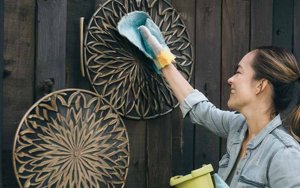
Establishing a consistent cleaning schedule prevents accumulative damage that occurs when contaminants build up over time. Monthly gentle dusting with microfiber cloths removes surface particles before they can bond with moisture and create permanent stains.
Professional cleaning should be considered annually for valuable pieces, particularly those showing signs of discoloration or surface contamination. Art conservation specialists possess specialized techniques and materials that safely remove stubborn deposits without damaging delicate vintage materials.
Environmental monitoring through digital hygrometers helps track temperature and humidity fluctuations that might threaten your artwork. These devices alert you to conditions that could cause immediate or long-term damage, enabling prompt corrective action.
Method 6: Advanced Protection Technologies
Air purification systems specifically designed for kitchen environments can dramatically reduce airborne contaminants that threaten vintage artwork. HEPA filtration combined with activated carbon removes both particulates and odors that could affect your pieces over time.
Electrostatic air cleaners capture grease particles before they can settle on surfaces, providing ongoing protection during cooking activities. These systems work continuously in the background, maintaining cleaner air quality around your displayed artwork.
UV light sanitization systems installed in HVAC ductwork prevent mold and bacteria growth that could threaten organic materials in vintage artwork. This technology provides invisible protection against biological threats that often develop in kitchen environments.
Method 7: Emergency Response and Damage Prevention
Despite your best prevention efforts, kitchen accidents happen. Having an emergency response plan protects your investment when things go wrong. Keep absorbent materials readily available to quickly address steam exposure or accidental splashing.
Document your vintage pieces through high-resolution photography before displaying them in kitchen environments. This documentation proves invaluable for insurance claims and restoration efforts if damage occurs despite your protective measures.
Establish relationships with local art conservation professionals before you need their services. Having expert contacts readily available ensures rapid response when time-sensitive damage occurs.
Frequently Asked Questions
Absolutely, provided you implement proper protective measures and maintain adequate distances from heat sources. Modern exhaust systems and protective glazing make this entirely achievable.
Monthly cleaning with appropriate glass cleaners maintains optimal clarity while removing accumulated particles that could obscure your artwork or create cleaning challenges over time.
Never exceed 60% relative humidity for extended periods, as higher levels promote mold growth and accelerate paper deterioration. Consistent levels between 45-55% provide optimal preservation conditions.
LED lights generate minimal heat while providing excellent illumination, making them ideal for vintage artwork display. Avoid incandescent bulbs that create heat and UV exposure.
Conclusion: Preserving Your Kitchen’s Vintage Character
Protecting vintage kitchen wall art from steam and grease damage requires vigilance, but the rewards justify the effort. Your kitchen can maintain its charming vintage character while functioning as a modern culinary workspace through strategic planning and consistent maintenance.
Remember that prevention always costs less than restoration or replacement. By implementing these seven proven methods, you’re not just protecting artwork – you’re preserving family history and maintaining the unique personality that makes your kitchen special.
Start with the most critical protective measures like proper placement and glazing, then gradually implement additional strategies as your budget allows. Your vintage kitchen wall art will thank you with decades of continued beauty and charm.