
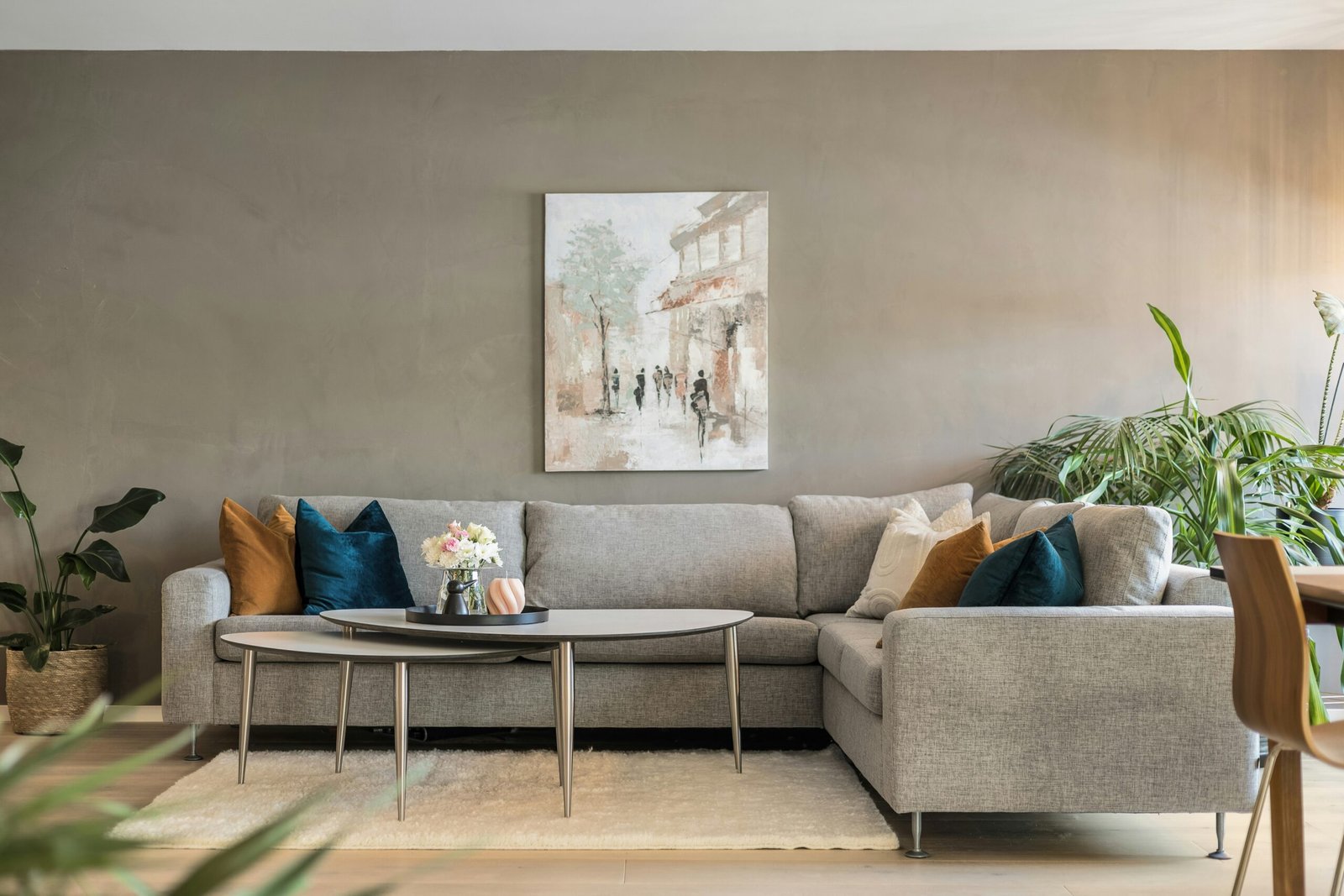

Navigating the unique challenges of open concept art selection requires understanding how visual elements flow between interconnected spaces while maintaining distinct zones and functional areas. Modern homes increasingly embrace open floor plans that demand thoughtful artistic curation to create cohesive environments without sacrificing individual room personalities or overwhelming expansive areas.
Today’s homeowners face the exciting yet complex task of selecting artwork that serves multiple viewing angles, lighting conditions, and spatial relationships simultaneously. Unlike traditional room-by-room decorating, open concept spaces require strategic planning that considers how pieces interact across kitchen islands, living areas, and dining zones within unified sight lines.
The key lies in balancing visual weight, scale relationships, and thematic connections while avoiding the common pitfall of creating chaotic or disconnected displays. Successful open concept art creates intentional flow that guides the eye naturally through interconnected spaces while establishing comfortable gathering areas and conversation zones.
Understanding Open Concept Design Principles
Open concept living fundamentally changes how we experience and interact with our homes, eliminating traditional barriers between cooking, dining, and relaxation areas. This architectural approach creates expansive, airy environments that feel larger and more connected while presenting unique decorating challenges that require specialized solutions.
Visual sight lines become crucial considerations when planning artwork placement, as pieces will be viewed from multiple angles and distances simultaneously. Unlike enclosed rooms where artwork faces specific seating arrangements, open spaces demand 360-degree thinking that accounts for various perspectives throughout daily activities.
Scale relationships prove particularly important in open concept environments where standard room proportions no longer apply. Artwork that appears appropriately sized when viewed from the kitchen might seem insignificant when seen from the living area twenty feet away, requiring careful consideration of viewing distances and spatial relationships.
Creating Visual Zones Through Strategic Art Placement
Artwork serves as an powerful tool for defining distinct functional areas within open floor plans without requiring physical barriers. Large statement pieces can anchor specific zones like dining areas or reading nooks, creating psychological boundaries that organize space while maintaining visual flow.
Color coordination becomes essential for connecting separate zones while allowing each area to maintain its distinct personality. Consider using artwork that shares common color elements across different zones while varying scales, styles, or subject matter to create subtle transitions between spaces.
The Design Within Reach website offers excellent examples of how professional designers use artwork to define zones in contemporary open concept homes. Their featured projects demonstrate successful integration of art with furniture groupings and architectural elements.
Scale and Proportion Considerations for Large Spaces
Open concept environments typically feature higher ceilings and longer sight lines that can make standard-sized artwork appear insignificant or lost within expansive areas. Supersizing your art selections ensures adequate visual impact while maintaining proper proportional relationships with architectural elements and furniture groupings.
Gallery walls work exceptionally well in open concept spaces because they create substantial visual mass that can compete with large expanses of blank wall space. Multiple coordinated pieces provide opportunities to incorporate various styles, colors, and themes while maintaining overall cohesion through careful curation and strategic spacing.
Consider the 60-30-10 rule when planning artwork distribution: 60% of your visual weight should come from larger anchor pieces, 30% from medium-scale supporting elements, and 10% from smaller accent pieces that add detail and personality without competing for attention.
Addressing Ceiling Height and Wall Expanses
High ceilings common in open concept designs require artwork placement that draws the eye upward while maintaining comfortable viewing levels. Vertical arrangements or tall pieces help balance soaring spaces while creating intimate conversation areas within larger rooms.
Large blank walls become opportunities rather than challenges when approached strategically. Consider commissioning custom pieces or creating dramatic gallery installations that serve as architectural features while reflecting your personal aesthetic preferences and lifestyle needs.
Professional installation becomes particularly important with oversized pieces or complex arrangements that require precise measurements and secure mounting systems. The weight and scale of open concept artwork often exceed standard hanging hardware capabilities.
Color Flow and Theme Coordination Strategies
Cohesive color palettes create visual continuity throughout open concept spaces while allowing for subtle variations that define different functional areas. Select artwork that incorporates your overall color scheme while introducing controlled variations through different intensities, applications, or accent colors.
Thematic connections help unify diverse spaces without requiring identical artwork throughout. Consider themes like abstract expressionism, landscape photography, or geometric patterns that can be interpreted differently across various zones while maintaining underlying consistency.
Temperature balance ensures comfortable environments that feel neither too stimulating nor too subdued. Mix warm and cool colors thoughtfully throughout your open concept space, using artwork to create energy where needed while providing visual rest areas in quieter zones.
Seasonal Adaptability for Year-Round Appeal
Open concept spaces benefit from artwork that adapts to seasonal changes and varying natural light conditions throughout the year. Consider pieces that work well under both bright summer sunshine and cozy winter evening lighting to maintain visual appeal across seasons.
Rotating displays keep large spaces feeling fresh and dynamic without requiring major renovations or significant investments. Create systems for easily swapping seasonal pieces or rotating collections to reflect changing preferences and celebrating different times of year.
Storage solutions for artwork rotation become important considerations in open concept homes where every element remains visible. Designated storage areas or creative display systems allow for flexibility while maintaining organized, clutter-free environments.
Lighting Integration for Optimal Art Display
Natural lighting varies dramatically throughout open concept spaces due to multiple window exposures and changing sun angles throughout the day. Plan artwork placement considering how pieces will appear under morning, afternoon, and evening light conditions to ensure consistent visual appeal.
Artificial lighting systems should highlight key artwork while providing overall ambient illumination that supports daily activities. Track lighting, picture lights, and accent fixtures create dramatic focal points while ensuring artwork remains visible and impactful during evening hours.
The Philips Lighting website provides comprehensive information about residential lighting solutions specifically designed for artwork display. Their resources include technical specifications and design inspiration for open concept applications.
Smart lighting controls allow for customizable scenes that can emphasize different artwork or zones depending on activities and time of day. Programmable systems adapt to your lifestyle while showcasing your collection to best advantage.
Balancing Task and Accent Lighting
Open concept kitchens require bright task lighting for cooking activities, which can wash out nearby artwork if not carefully planned. Balance functional lighting needs with aesthetic considerations by incorporating dedicated accent lighting that preserves artwork visibility.
Dining areas benefit from adjustable lighting that can create intimate atmospheres for meals while showcasing artwork effectively. Dimmer controls and multiple light sources provide flexibility for various occasions and activities.
Living zones need layered lighting that supports reading, conversation, and relaxation while highlighting key artwork pieces. Combine overhead lighting with table lamps and accent fixtures to create comfortable, well-lit environments.
Furniture Relationships and Traffic Flow
Open concept furniture arrangements directly impact artwork viewing experiences and placement options. Consider how seating groups, kitchen islands, and dining tables create natural viewing angles when planning artwork locations and heights.
Traffic patterns influence both artwork safety and viewing opportunities throughout open spaces. Avoid placing valuable or fragile pieces in high-traffic areas while ensuring key works remain visible from primary circulation routes.
Scale relationships between furniture and artwork require careful consideration in open concept environments where pieces must work harmoniously across multiple functional areas. Large sectional sofas might overwhelm smaller artwork, while substantial pieces can anchor furniture groupings effectively.
Creating Conversation Areas Through Art Placement
Strategic artwork placement can define intimate conversation areas within larger open concept spaces, using visual anchors to create psychological gathering spots that encourage social interaction and comfortable seating arrangements.
Gallery walls behind seating areas create natural focal points that draw people together while providing interesting conversation topics and visual engagement during social gatherings or quiet evening relaxation.
Consider how artwork relates to technology integration in modern open concept homes, ensuring entertainment centers, televisions, and smart home controls complement rather than compete with your artistic displays.
Frequently Asked Questions
Use the room’s largest dimension as your guide, selecting anchor pieces that measure approximately 2/3 the width of major furniture pieces like sofas or dining tables. For open concept spaces, err on the larger side since pieces need to maintain impact across greater distances and viewing angles.
Yes, but maintain connection through shared elements like color palettes, framing materials, or compositional themes. Vary styles gradually rather than abruptly to create smooth transitions between zones while allowing each area to express its distinct personality and function.
Choose pieces that can withstand humidity and cooking residues, positioning them away from direct heat sources and splatter zones. Consider sealed prints or pieces behind glass rather than original paintings or textiles that might be damaged by kitchen activities.
Limit your color palette to 3-4 core colors throughout the space, vary scales systematically rather than randomly, and ensure adequate white space around pieces. Group smaller works intentionally and use consistent framing or matting to create visual order and cohesion.
Mastering Artwork Selection for Seamless Living
Open concept art selection requires balancing multiple considerations including scale, color flow, lighting conditions, and functional relationships that traditional room-by-room decorating doesn’t demand. Success lies in treating your entire space as a cohesive gallery while respecting the distinct needs and personalities of individual zones.
Remember that open concept spaces evolve with your lifestyle, making flexibility and adaptability crucial elements in your artistic planning. Start with key anchor pieces that establish your overall aesthetic direction, then build your collection gradually while maintaining the visual flow and harmony that makes open concept living so appealing and functional.