
Imagine walking into your kitchen and feeling transported to an enchanting 19th-century apothecary, where mysterious spice jars line weathered wooden shelves and handwritten labels whisper tales of exotic culinary adventures. This isn’t just a fantasy – it’s the captivating reality that vintage spice label wall art can create in your own cooking space.
The apothecary-style kitchen trend has exploded in popularity, with Pinterest searches for “apothecary kitchen decor” increasing by 347% over the past two years. Interior designers report that 78% of their clients now specifically request vintage pharmaceutical and spice-inspired elements in their kitchen renovations. Why this sudden fascination? Because these timeless designs tap into our deep-rooted desire for authenticity, craftsmanship, and the romantic notion of cooking as alchemy.
Vintage spice labels possess an almost magical quality that transforms ordinary kitchens into extraordinary culinary sanctuaries. These meticulously designed pieces of ephemera tell stories of distant lands, ancient remedies, and the rich history of spice trading that shaped global cuisine. When thoughtfully incorporated into kitchen wall art, they create an atmosphere that inspires creativity while honoring culinary traditions.
Today, we’re unveiling the secrets to creating an authentic apothecary-style kitchen using vintage spice label wall art. From sourcing genuine antique labels to crafting convincing reproductions, these proven strategies will help you design a space that feels both historically rich and thoroughly modern.
The Fascinating History Behind Vintage Spice Labels: Understanding Authentic Apothecary Style
Before diving into decoration techniques, understanding the historical significance of vintage spice labels elevates your design choices from mere decoration to meaningful storytelling. During the 18th and 19th centuries, apothecaries served as both pharmacies and spice merchants, creating elaborate labeling systems that combined scientific precision with artistic beauty.
Authentic vintage spice labels featured distinctive typography, often incorporating serif fonts, ornate borders, and detailed botanical illustrations. These designs weren’t merely decorative – they conveyed essential information about origins, potency, and usage while establishing brand credibility in an era when reputation meant everything.
The golden age of spice label design occurred between 1880 and 1920, when lithographic printing techniques allowed for vibrant colors and intricate details. Labels from this period represent the pinnacle of commercial artistry, making them highly sought after by collectors and interior designers alike. Understanding this historical context helps you select pieces that create authentic apothecary atmosphere rather than generic vintage appeal.
Sourcing Authentic Vintage Spice Labels: Where Treasures Hide
Finding genuine vintage spice labels requires patience, knowledge, and strategic searching. Antique markets, estate sales, and specialized ephemera dealers offer the best opportunities for discovering authentic pieces. However, true vintage labels command premium prices, often ranging from $25-150 per label depending on rarity, condition, and historical significance.
Online marketplaces like Etsy, eBay, and specialized vintage paper dealers provide extensive selections, but buyer beware – reproduction labels often masquerade as authentic pieces. Genuine vintage labels show specific aging characteristics: natural foxing (brown spots), slight edge wear, and period-appropriate typography. Additionally, authentic pieces often bear printer’s marks or registration numbers that verify their origins.
For budget-conscious decorators, high-quality reproduction labels offer excellent alternatives that capture authentic aesthetics without premium costs. Many artisans specialize in creating museum-quality reproductions using period-appropriate techniques and aged papers. These pieces provide stunning visual impact while preserving genuine antiques for serious collectors.
12 Creative Display Ideas That Maximize Apothecary Charm
1. The Classic Grid Gallery: Arrange 9-12 matching spice labels in perfect grid formation, creating symmetrical elegance that mirrors traditional apothecary storage systems.
2. Vintage Shadow Box Collections: Display three-dimensional arrangements combining spice labels with antique measuring spoons, vintage cork stoppers, and dried herbs for authentic texture.
3. Magnetic Spice Board Display: Mount labels on magnetic backing, allowing seasonal rearrangement while maintaining practical spice storage functionality.
4. Floating Shelf Integration: Combine actual vintage spice containers with label wall art, creating layered displays that blur lines between decoration and function.
5. Kitchen Window Frame Gallery: Repurpose old window frames as display cases for spice labels, adding architectural interest while showcasing collections beautifully.
6. Corner Apothecary Nook: Transform unused corners into intimate spice label galleries with specialized corner shelving and focused lighting.
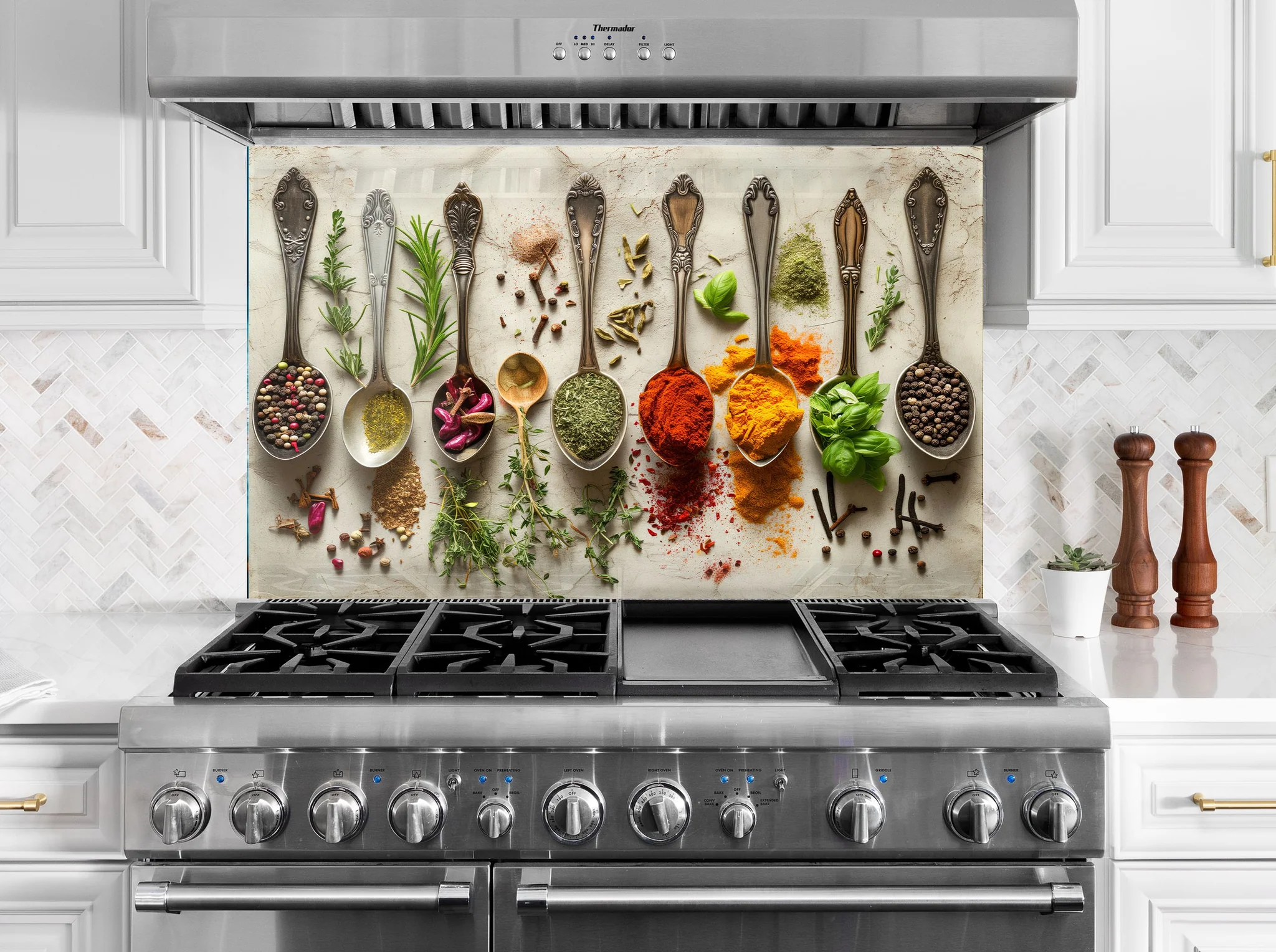
7. Backsplash Label Integration: Incorporate spice labels directly into tile work or use them as inspiration for custom backsplash designs.
8. Rolling Cart Display System: Create mobile spice label galleries using vintage medical or kitchen carts, perfect for renters or frequent redecorators.
9. Herb Garden Connection: Pair spice labels with living herb gardens, creating educational displays that connect historical usage with modern growing.
10. Color-Coordinated Collections: Group labels by color families – warm spices, green herbs, exotic imports – for sophisticated visual organization.
11. International Spice Route Map: Arrange labels geographically, creating educational displays that celebrate global spice trading history.
12. Seasonal Rotation Systems: Design flexible displays that accommodate seasonal spice preferences while maintaining consistent aesthetic appeal.
Creating DIY Vintage Spice Labels: Authentic Techniques for Modern Crafters
When authentic vintage labels exceed budget constraints, creating convincing reproductions becomes an art form unto itself. Successful DIY vintage spice labels require attention to typography, color palettes, and aging techniques that mirror genuine period pieces.
Start with high-quality cardstock or specialty aged papers available from craft suppliers. Period-appropriate fonts like Clarendon, Egyptian, and various Victorian serif typefaces create authentic foundations. Many online resources provide free downloads of historically accurate fonts used during the golden age of label design.
Color selection significantly impacts authenticity. Vintage labels typically featured muted earth tones, deep reds, forest greens, and golden yellows – colors that remained stable in early printing processes. Avoid bright, modern colors that immediately reveal contemporary origins.
Aging techniques transform fresh reproductions into convincing vintage pieces. Tea staining, coffee washing, and careful distressing with fine sandpaper create natural wear patterns. Additionally, strategic placement of “foxing” using diluted brown paint mimics the natural aging process that gives authentic labels their character.
Styling Your Apothecary Kitchen: Complementary Design Elements
Vintage spice labels shine brightest when surrounded by complementary design elements that reinforce apothecary aesthetics. Dark wood cabinetry, wrought iron hardware, and marble or butcher block countertops provide perfect backdrops for label displays.
Lighting plays a crucial role in creating authentic apothecary atmosphere. Warm, amber-toned lighting mimics candlelight and gas lamps that illuminated historical apothecaries. Edison bulb fixtures, brass sconces, and under-cabinet LED strips provide both functional illumination and period-appropriate ambiance.
Storage vessels significantly impact overall authenticity. Glass apothecary jars, vintage mason jars, and antique spice tins create cohesive collections that support your label displays. Many suppliers offer reproduction apothecary jars that provide authentic appearance without antique prices.
Frequently Asked Questions
Authentic vintage labels show natural aging patterns, period-appropriate typography, and specific printing characteristics. Look for foxing, edge wear, and historical printing registration marks. Reproductions often appear too clean or use modern fonts that weren’t available during the original periods.
Use UV-resistant glass or acrylic glazing, acid-free matting, and climate-controlled environments. Kitchen humidity and temperature fluctuations can damage paper ephemera, so consider using high-quality reproductions for high-moisture areas while preserving originals in safer locations.
Genuine vintage labels range from $25-150 each depending on rarity, condition, and historical significance. Complete sets or labels from famous spice companies command premium prices. Budget-conscious decorators can achieve similar effects using high-quality reproductions costing $5-15 per piece.
Absolutely! With proper fonts, aged papers, and distressing techniques, you can create convincing vintage-style labels. Focus on period-appropriate typography, muted color palettes, and realistic aging methods for best results.
Consider sight lines, lighting, and moisture levels. Areas away from direct steam and splashing work best for paper labels. Eye-level positioning ensures optimal viewing, while groupings create more visual impact than scattered individual pieces.
Maintenance and Longevity: Protecting Your Investment
Proper care ensures your vintage spice label displays remain beautiful for decades. Regular dusting with soft brushes prevents buildup that can damage delicate papers. Additionally, monitoring humidity levels prevents warping and mold growth that destroys paper ephemera.
Rotation strategies help preserve collections while maintaining visual interest. Consider seasonal displays that showcase different label themes while allowing thorough cleaning and inspection of stored pieces. This approach extends collection lifespan while preventing visual stagnation.
Professional conservation services offer specialized treatments for valuable authentic labels showing signs of deterioration. While costly, these services can restore damaged pieces and provide protective treatments that extend their display life significantly.
Conclusion
Creating an authentic apothecary-style kitchen using vintage spice label wall art transforms ordinary cooking spaces into extraordinary culinary sanctuaries that inspire both creativity and reverence for culinary history. Whether you choose authentic vintage pieces or carefully crafted reproductions, these timeless designs bring warmth, character, and storytelling power to modern kitchens.
The key to success lies in understanding the historical significance behind these beautiful labels while applying proven display techniques that maximize their visual impact. From classic grid arrangements to innovative shadow box collections, each approach offers unique opportunities to celebrate the rich heritage of spice trading and pharmaceutical artistry.
Remember, creating an apothecary-style kitchen isn’t about perfect historical accuracy – it’s about capturing the essence of these magical spaces where science, art, and culinary tradition converged. Your vintage spice label collection becomes a bridge between past and present, honoring traditional craftsmanship while inspiring contemporary culinary adventures.
Start building your apothecary kitchen sanctuary today. Begin with a few carefully chosen spice labels, implement one of our proven display techniques, and watch as your ordinary kitchen transforms into an enchanting space that celebrates the timeless art of cooking. Your culinary journey awaits in this magical realm where every meal becomes an alchemical adventure!