
There’s something timeless about antique botanical specimen wall prints. They capture the delicate beauty of plants while reflecting the history of scientific discovery. Once used by botanists to classify, study, and preserve the natural world, these prints now bring a sense of sophistication and curiosity into homes, offices, and creative spaces. If you’ve ever wondered how to elevate your interior design while staying true to history, antique botanical prints are a perfect solution.
This blog will answer your questions, uncover the allure of these historical artworks, and explain how they fit beautifully into today’s natural history-inspired decor trends.
What Are Antique Botanical Specimen Wall Prints?
Antique botanical prints are reproductions (or sometimes originals) of hand-drawn or hand-colored illustrations created between the 16th and 19th centuries. These prints served as scientific references before photography existed. Artists worked alongside botanists to ensure precise detail of leaves, roots, stems, and blossoms. Today, they’re more than just art—they’re educational treasures.
Why Are They Popular in Natural History Decor?
The rise of natural history decor embraces authenticity, curiosity, and a love for the natural world. According to Pinterest’s 2023 Home Decor Report, searches for “botanical wall art” increased by over 120% year-over-year. Antique botanical specimen prints fit perfectly because they combine history, science, and beauty. They complement natural materials like wood, linen, or stone and balance modern interiors with vintage warmth.
FAQ: Everything You Need to Know
Originals can range from $100 to several thousand dollars depending on rarity and condition.
High-quality reproductions are far more affordable, often between $20 and $200.
If budget matters, reproductions are the smart choice—they look stunning without the steep price.
Look for watermarks on paper.
Check for plate marks (an indentation left from copperplate engraving).
Study paper aging—originals usually have natural yellowing.
Rustic farmhouse: Pair prints with reclaimed wood frames.
Minimalist: Use thin black or brass frames for a modern edge.
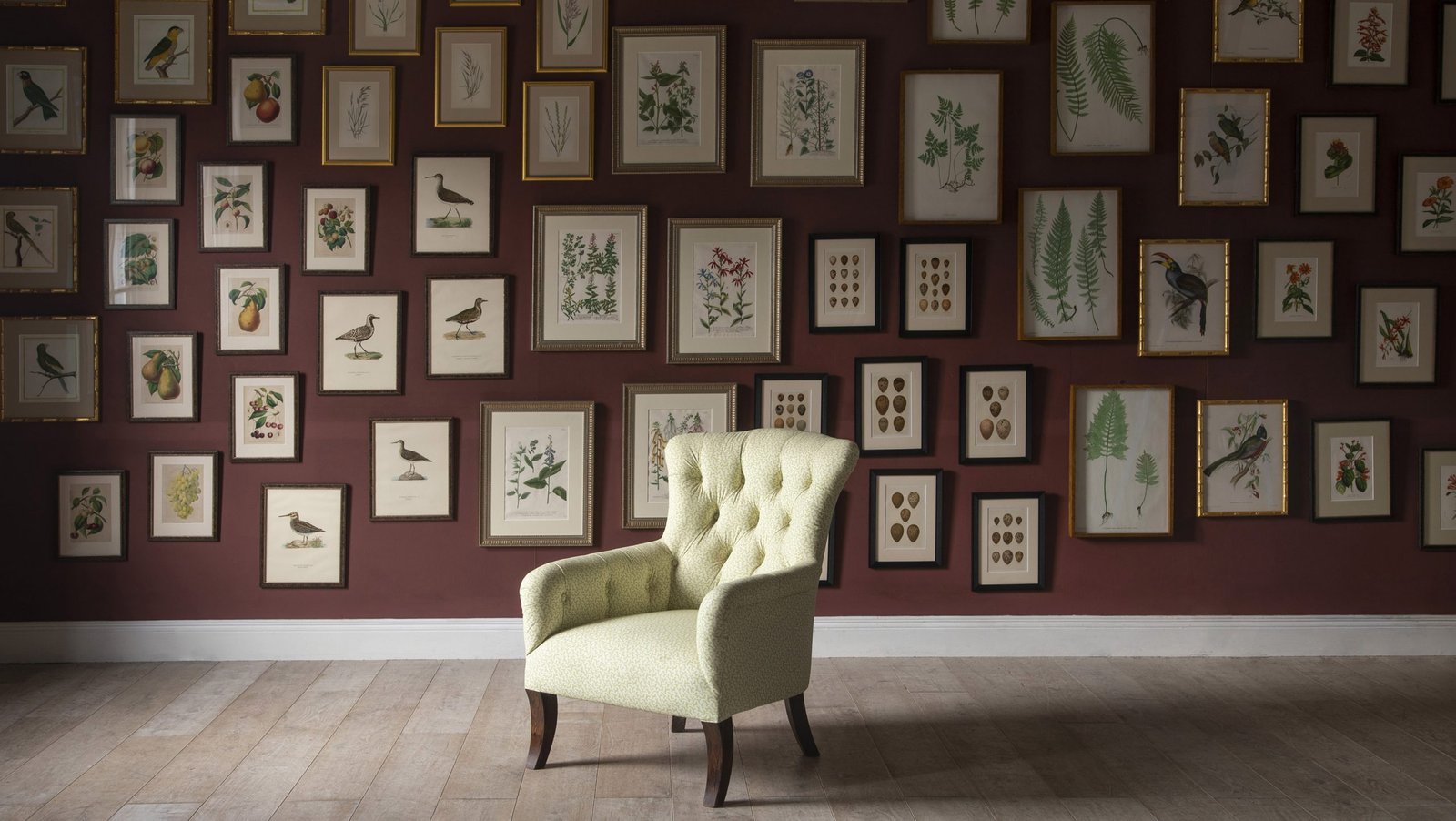
Traditional: Arrange prints in symmetrical gallery walls for a classic library feel.
Gallery walls: Group 6–12 prints in a grid for maximum impact.
Single statement piece: Oversized reproduction prints make a bold focal point.
Layered look: Lean framed prints on shelves mixed with books and natural objects.
Antique shops and auctions for rare originals.
Specialty online stores like 1stDibs, Etsy, or museum shops for reproductions.
Public domain collections from institutions like The New York Botanical Garden, where you can download, print, and frame your own.
5 Reasons Antique Botanical Prints Elevate Decor Instantly
1. They Add Intellectual Charm
Unlike generic wall art, botanical specimens tell a story of science, discovery, and artistry.
2. They Connect You to Nature
Studies show that nature-inspired interiors reduce stress and increase focus. Prints of plants bring the outside in, especially in urban environments.
3. They Never Go Out of Style
Unlike fleeting design trends, antique botanical prints have remained relevant for centuries.
4. They Work in Every Room
From dining rooms to offices, they add a sense of calm and sophistication.
5. They Invite Conversation
Guests often ask about the history or the species illustrated, making them perfect ice-breakers.
How to Choose the Right Prints for Your Space
- Match the Colors: Choose specimens that echo the hues in your room (greens for freshness, muted browns for warmth, or pastels for softness).
- Consider Scale: Smaller prints suit hallways and cozy nooks, while oversized ones belong in living rooms or above a bed.
- Frame Thoughtfully: Frames dramatically change the look—distressed wood for vintage warmth, sleek metal for modern minimalism.
- Curate by Theme: Ferns in one room, medicinal herbs in another, or flowering plants for a dining area.
Quick Styling Tips for Maximum Impact
- Use Odd Numbers: Hang sets of 3 or 5 for a balanced look.
- Mix with Curiosities: Combine with antique globes, fossils, or pressed specimens for a cabinet-of-curiosities vibe.
- Play with Contrast: Botanical prints stand out against dark-colored walls like deep navy or forest green.
Conclusion
Antique botanical specimen wall prints aren’t just art—they’re windows into history, science, and nature. Whether you invest in originals or opt for affordable reproductions, these timeless illustrations enrich your decor with elegance and meaning. In a world full of mass-produced artwork, botanical prints bring authenticity, calm, and a touch of intellectual wonder.
If you’ve been looking for a way to transform your home into a haven of scientific natural history decor, now is the perfect time to start your collection.