
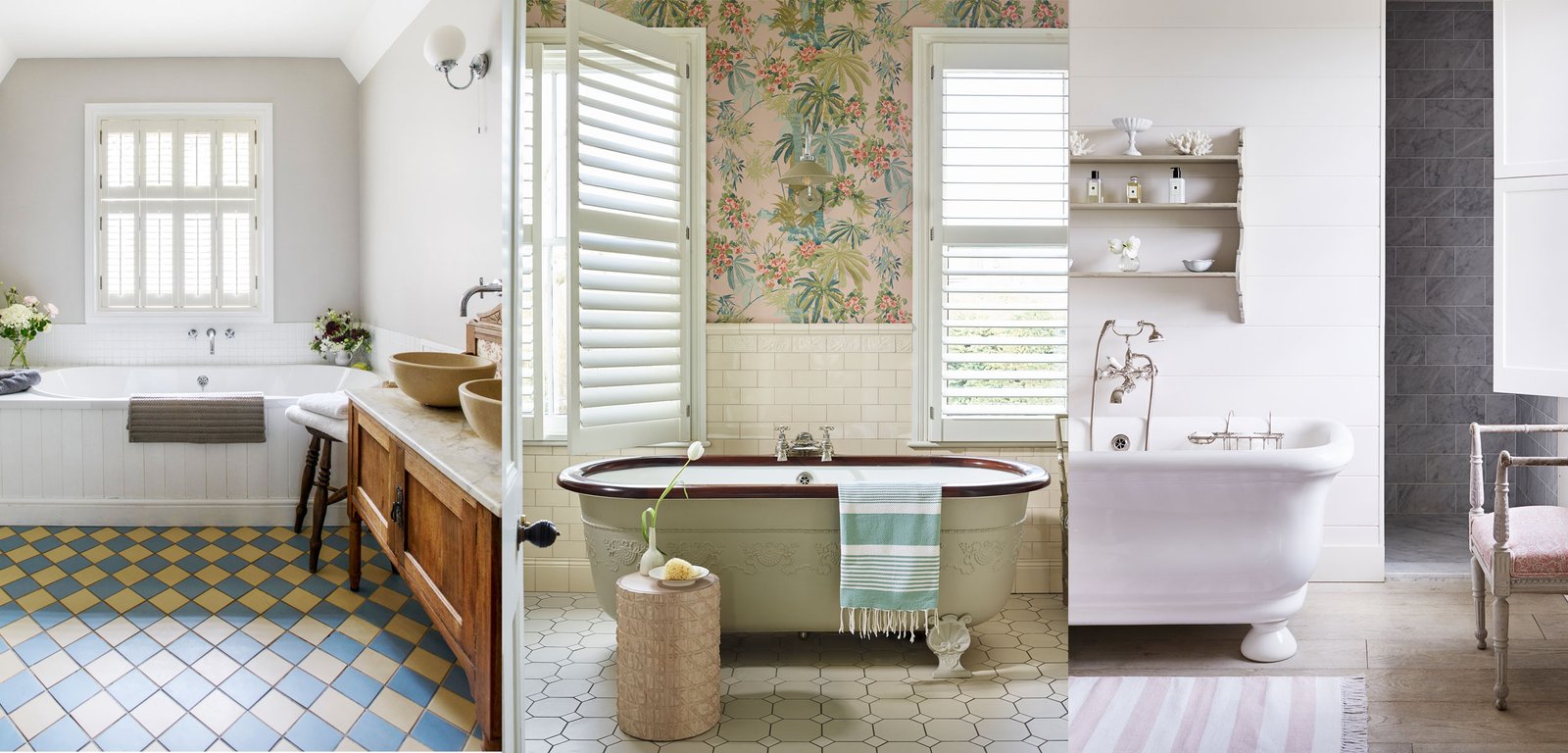
You’ve fallen in love with that gorgeous Victorian botanical print, but your bathroom already features Art Deco mirrors and mid-century modern fixtures. The nagging fear creeps in – will mixing these vintage styles create a chaotic mess that screams “amateur decorator” instead of the sophisticated, curated look you’re dreaming of? This design dilemma paralyzes countless homeowners who possess exquisite individual pieces but lack the confidence to combine them successfully.
The truth is, professional interior designers regularly mix vintage art styles to create dynamic, layered spaces that feel collected over time rather than purchased in a single shopping trip. The secret lies in understanding the fundamental design principles that create harmony amidst diversity, allowing different vintage periods to complement rather than compete with each other.
Master designers know that successful style mixing isn’t about rules – it’s about understanding visual relationships, color theory, and proportion. With the right techniques, you can confidently combine Victorian botanicals with Art Nouveau tiles, mid-century photography with Edwardian prints, and industrial fixtures with delicate watercolors, creating bathroom galleries that feel intentional, sophisticated, and uniquely yours.
The Science Behind Successful Style Mixing
Understanding why certain style combinations work while others create visual chaos requires knowledge of how our brains process design information. Successful mixed-vintage spaces follow specific psychological principles that create perceived order even within apparent diversity.
Visual Hierarchy and Pattern Recognition
The human brain constantly seeks patterns and relationships when processing visual information. Research from MIT’s Visual Sciences Laboratory shows that spaces become chaotic when they contain more than seven distinct visual elements without unifying connections. However, when diverse elements share common characteristics – color, scale, texture, or theme – the brain recognizes these relationships and perceives harmony instead of chaos.
Professional designers leverage this psychological tendency by creating “visual bridges” between different vintage styles. A Victorian botanical print and an Art Deco geometric piece might seem incompatible individually, but when both feature similar green color palettes or comparable scale, the brain recognizes these connections and accepts the combination as intentional rather than accidental.
The Rule of Three in Design Psychology
Cognitive research demonstrates that arrangements of three elements create the most visually satisfying compositions for human perception. This principle applies powerfully to mixed vintage art displays – combining exactly three different style periods often produces more successful results than attempting to blend two or four distinct aesthetics.
For example, mixing Victorian botanical prints with mid-century photography and contemporary frames creates a sophisticated timeline narrative that feels intentional and curated. The odd number prevents visual stalemate while the style progression tells a compelling design story.
7 Professional Techniques for Harmonious Style Mixing
1. The Common Thread Strategy
Identify unifying elements that can thread through different vintage styles, creating visual continuity despite stylistic diversity. Common threads might include color palettes, subject matter, frame materials, or artistic techniques that appear across multiple periods.
For instance, botanical subject matter appears in Victorian scientific illustrations, Art Nouveau decorative prints, and mid-century photography. By focusing on this shared theme while varying the stylistic approach, you create collections that feel cohesive despite spanning multiple decades or artistic movements.
Professional tip: Create a mood board before purchasing to identify potential common threads, ensuring new acquisitions will integrate successfully with existing pieces rather than creating visual competition.
2. Scale and Proportion Balancing
Vary sizes strategically to create dynamic visual interest while maintaining overall balance. Professional designers use the 60-30-10 rule for scale relationships – 60% of wall space features medium-sized pieces, 30% showcases larger statement works, and 10% incorporates smaller accent pieces.
This proportion strategy works across all vintage styles, allowing you to mix a large Victorian botanical print with medium-sized Art Deco posters and small mid-century photography without creating visual chaos. The varied scales create rhythm and movement while the consistent proportional relationships maintain harmony.
3. Color Temperature Coordination
Understanding color temperature relationships prevents the most common mixing mistakes. Cool-toned vintage pieces (blues, greens, purples) naturally harmonize regardless of style period, while warm-toned works (reds, oranges, yellows) create their own successful combinations.
Problems arise when mixing cool and warm vintage pieces without careful consideration. However, neutral bridges – sepia tones, blacks, whites, or grays – can successfully connect warm and cool vintage art within single displays. Many professional designers deliberately choose vintage pieces with neutral elements specifically for their bridging capabilities.
4. Frame Unification Technique
Consistent framing instantly creates visual cohesion between diverse vintage art styles. Professional designers often reframe inherited or collected pieces in matching profiles, materials, and colors to create intentional gallery wall appearances.
Choose frame styles that complement your most valuable or significant pieces, then apply this choice consistently across your collection. Simple black frames work universally, while natural wood or metallic options can enhance specific color palettes. The investment in quality, consistent framing transforms chaotic collections into sophisticated displays.
5. Strategic Spacing and Rhythm
Master the visual breathing room between pieces to prevent overwhelming displays. Professional spacing guidelines recommend 2-3 inches between smaller pieces and 4-6 inches between larger works, but these measurements should adjust based on frame styles and wall dimensions.
Create visual rhythm by alternating piece sizes, orientations, or style periods in predictable patterns. For example, alternate Victorian botanical prints with mid-century photography in checkerboard patterns, or create diagonal flows that guide the eye smoothly across mixed collections.
6. Layered Gallery Wall Construction
Build complex gallery walls gradually, starting with anchor pieces and adding complementary works systematically. Professional designers begin with the largest, most significant piece, then add medium-sized works that echo its colors or themes, finally incorporating smaller accent pieces that fill visual gaps.
This layered approach prevents the overwhelming feeling that comes from trying to arrange multiple vintage styles simultaneously. Each addition should enhance the existing composition while contributing its own unique character to the overall narrative.
7. Style Period Bridging
Use transitional pieces that bridge different vintage periods, creating smooth visual progressions rather than jarring style jumps. Art Nouveau works often bridge Victorian and mid-century aesthetics, while 1940s photography can connect earlier and later vintage periods effectively.
Research the historical timeline of your chosen styles to identify natural bridge periods. Understanding how artistic movements influenced each other helps create authentic progressions that feel historically informed rather than randomly assembled.
Frequently Asked Questions
Professional designers recommend limiting mixed displays to three distinct style periods maximum. This prevents visual chaos while providing enough variety to create interesting, dynamic compositions. More than three styles often overwhelm smaller bathroom spaces and create confusion rather than sophistication.
The most common error is focusing solely on individual piece beauty without considering how works relate to each other. Successful mixing requires viewing the entire wall composition as a single artwork where each piece contributes to the overall harmony and visual narrative.
Contemporary frames or matting can successfully bridge vintage pieces with modern fixtures, but mixing vintage and contemporary artwork requires careful consideration of style relationships. Contemporary pieces often work as neutral buffers between competing vintage styles.
Step back and squint at your display – if your eye moves smoothly around the composition without jarring stops or confusion, you’ve achieved successful mixing. Chaotic displays create visual static where no element feels related to others, while successful mixing creates visual conversations between pieces.
Absolutely! Expensive originals can successfully mix with affordable reproductions when unified by consistent framing, similar scales, and complementary colors. The key is ensuring quality framing and presentation that treats all pieces with equal visual respect regardless of their individual value.
Advanced Mixing Strategies for Confident Collectors
Creating Thematic Narratives
Develop overarching stories that justify stylistic diversity within your bathroom gallery. Thematic approaches might include “botanical evolution through the centuries,” “transportation history,” or “architectural details across periods.” Strong themes provide intellectual frameworks that make diverse styles feel purposeful and educational.
Color Story Development
Choose specific color palettes that appear consistently across your vintage collection, creating visual harmony despite stylistic differences. Professional colorists often work with limited palettes of 3-5 colors that repeat throughout mixed displays, creating sophisticated compositions that feel intentional and resolved.
Texture and Finish Coordination
Consider the surface qualities of your vintage pieces – glossy photographs, matte prints, textured paintings – and balance these finish types within your overall composition. Too many glossy surfaces create visual competition, while varied textures add interest when distributed thoughtfully throughout displays.
Budget-Conscious Mixing Techniques
Strategic Reproduction Integration
High-quality reproductions of expensive vintage pieces allow budget-conscious collectors to achieve sophisticated mixing effects without major financial investment. Focus your spending on a few anchor pieces, then use reproductions to fill supporting roles within mixed displays.
Thrift Store Treasure Hunting
Estate sales and thrift stores often contain overlooked vintage pieces that can successfully bridge expensive anchor works. Develop an eye for quality frames, interesting subject matter, and pieces that share color characteristics with your existing collection.
DIY Framing Solutions
Learn basic framing skills to unify diverse vintage finds within consistent presentation formats. Custom matting and frame selection can transform chaotic thrift store finds into sophisticated gallery-worthy displays that rival professionally curated collections.
Common Mixing Mistakes to Avoid
Scale Imbalance Issues
Avoid clustering all large pieces together or scattering tiny pieces randomly throughout displays. Successful mixing requires strategic scale distribution that creates visual weight balance across entire wall compositions.
Color Competition Problems
Prevent color fighting by understanding which vintage color palettes naturally harmonize. Bold reds and bright greens might work individually but often compete when placed adjacent to each other without neutral buffers.
Style Overcrowding Errors
Resist the temptation to include every vintage style you love within single bathroom displays. Restraint creates sophistication, while overcrowding creates chaos regardless of individual piece quality.
Seasonal Rotation Strategies
Quarterly Style Emphasis
Rotate which vintage styles receive prominence seasonally, preventing visual staleness while protecting valuable pieces from continuous humidity exposure. Spring might emphasize botanical Victorian pieces, while winter features cozy mid-century photography.
Holiday Theme Integration
Temporarily incorporate seasonal vintage pieces that complement your permanent collection without disrupting overall harmony. Valentine’s Day might add romantic Victorian florals, while autumn brings in harvest-themed vintage illustrations.
Conclusion
Successfully mixing vintage bathroom art styles requires confidence, knowledge, and strategic thinking – but the results justify every effort invested. When done correctly, mixed vintage displays create sophisticated, personal spaces that feel collected over time rather than purchased from single sources. These layered, complex compositions tell rich stories while showcasing your developing expertise as a curator of beautiful, meaningful objects.
The key to confident mixing lies in understanding that rules exist to be adapted rather than followed blindly. Every bathroom presents unique challenges and opportunities that require thoughtful responses rather than formula applications. Trust your developing instincts while applying these professional techniques, and remember that successful mixing evolves over time through experimentation and refinement.
Start your mixing journey today by identifying the common threads within your existing collection, then gradually introduce complementary pieces that enhance rather than compete with your favorite works. As your skills develop and your confidence grows, you’ll discover that mixing vintage styles isn’t about avoiding chaos – it’s about creating beautiful, intentional compositions that reflect your unique aesthetic vision and personal collecting journey.