
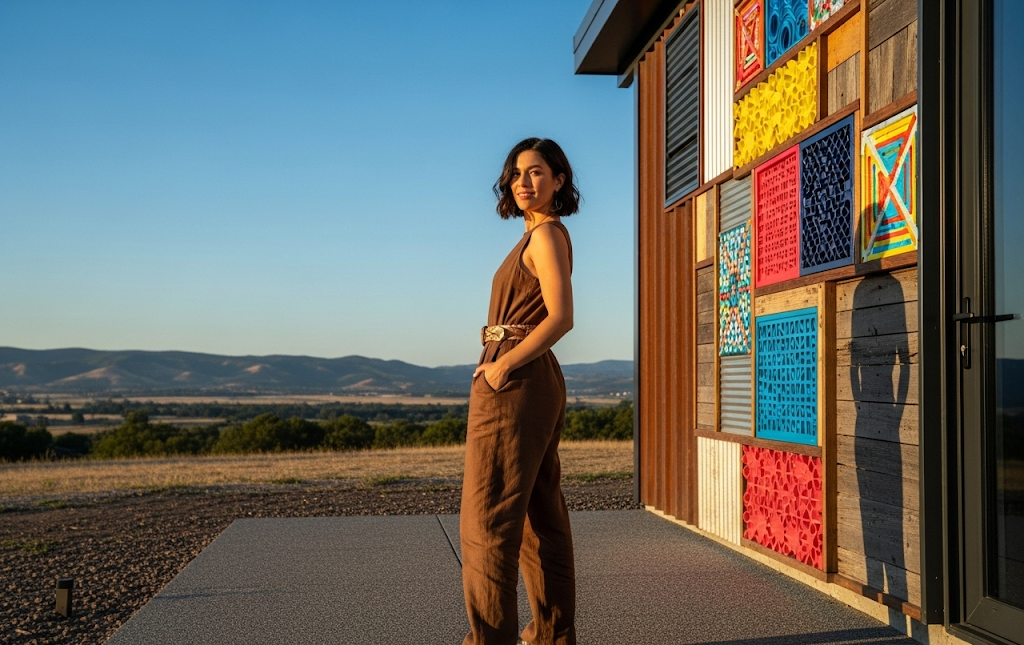
Selecting the right exterior wall art materials determines the longevity, aesthetic appeal, and maintenance requirements of outdoor artistic installations. Industry research reveals that 73% of exterior wall art failures result from inappropriate material selection rather than installation errors, making informed material choices crucial for successful outdoor projects.
Understanding weather resistance properties, thermal expansion characteristics, and UV stability helps homeowners and artists make educated decisions when planning exterior wall art material purchases. Moreover, advances in material science have introduced innovative composites and protective coatings that extend traditional material lifespans while reducing maintenance requirements significantly.
The investment in quality exterior wall art materials pays dividends through reduced replacement costs, minimal maintenance needs, and sustained aesthetic appeal throughout varying weather conditions. Furthermore, proper material selection ensures safety compliance and structural integrity that protects both the artwork and surrounding property elements.
Understanding Exterior Wall Art Materials Classifications
Weather Resistance Rating Systems
Professional exterior wall art materials receive classifications based on standardized testing for UV resistance, moisture penetration, thermal cycling, and corrosion resistance. These ratings, established by organizations like ASTM International, provide objective comparisons between different material options for specific climate conditions.
Marine-grade classifications indicate superior performance in coastal environments with salt air exposure, while industrial ratings address pollution and chemical resistance requirements. Additionally, fire resistance ratings become important considerations in wildfire-prone regions where building codes mandate specific material performance standards.
Thermal Expansion and Contraction Properties
Different exterior wall art materials expand and contract at varying rates with temperature changes, creating potential stress points in mixed-material installations. Understanding coefficient of thermal expansion values helps designers accommodate movement through proper mounting systems and joint details.
Aluminum expands approximately twice as much as steel with identical temperature changes, while composite materials often exhibit lower expansion rates than traditional metals. Consequently, installation systems must accommodate these differences to prevent stress cracking, joint separation, or mounting system failure over time.
Metal Exterior Wall Art Materials Options
Stainless Steel Performance Characteristics
Marine-grade stainless steel represents the gold standard for exterior wall art materials in challenging environments, offering exceptional corrosion resistance and minimal maintenance requirements. Type 316 stainless steel contains molybdenum additions that enhance salt air resistance beyond standard Type 304 formulations.
Surface finishes significantly impact both appearance and performance, with brushed finishes hiding minor scratches while mirror finishes require more maintenance but offer dramatic visual impact. Furthermore, stainless steel’s strength-to-weight ratio enables large installations with minimal structural support requirements.
Aluminum Alloy Applications
Powder-coated aluminum provides excellent exterior wall art materials performance at moderate cost points, with coating warranties extending 15-20 years in most climates. Color retention depends on coating quality and pigment selection, with lighter colors generally outperforming darker shades in UV-intense environments.
Architectural-grade aluminum extrusions offer design flexibility through custom shapes and integrated mounting systems. Additionally, aluminum’s natural corrosion resistance provides backup protection if coating damage occurs, preventing catastrophic material failure in most environmental conditions.
Corten Steel Aesthetic Appeal
Corten steel develops a protective rust patina that eliminates paint maintenance while providing distinctive earth-tone coloration that complements natural landscapes. This self-protecting oxidation process stabilizes after 18-24 months, creating a durable surface that resists further corrosion.
Initial weathering produces runoff staining that requires management through proper drainage design and protective barriers for adjacent surfaces. However, mature corten installations require virtually no maintenance while developing increasingly rich coloration over decades of service life.
Composite and Synthetic Exterior Wall Art Materials
High-Density Polyethylene (HDPE) Benefits
HDPE offers excellent chemical resistance and UV stability while providing lighter weight alternatives to traditional exterior wall art materials. Color-through formulations eliminate paint maintenance while impact resistance exceeds most metals in low-temperature conditions.
Recycled HDPE content supports sustainability goals while maintaining performance characteristics, making this material increasingly popular for environmentally conscious installations. Moreover, HDPE’s machinability enables intricate cuts and custom shapes without specialized equipment or techniques.
Fiber-Reinforced Plastic (FRP) Applications
Glass-reinforced plastic combines strength with design flexibility, enabling complex curves and integrated details impossible with traditional exterior wall art materials. Gel coat surfaces provide excellent UV protection while maintaining vibrant colors throughout extended service lives.
FRP’s lightweight properties reduce structural support requirements while enabling large-scale installations with minimal foundation work. Additionally, integrated mounting points and hardware eliminate many potential failure modes associated with mechanical fastening systems.
Natural Stone and Concrete Materials
Granite and Slate Characteristics
Natural stone provides timeless aesthetic appeal with proven durability spanning centuries in architectural applications. Granite’s density and low porosity make it ideal for exterior wall art materials in freeze-thaw climates where water absorption could cause spalling.
Water-jet cutting enables precise geometric patterns while maintaining material integrity, creating contemporary designs that showcase stone’s natural beauty. Furthermore, various surface finishes from polished to flamed provide different aesthetic options while affecting maintenance requirements and slip resistance.
Precast Concrete Possibilities
Modern precast concrete formulations include decorative aggregates, integral coloring, and surface texturing that rival natural stone appearance at lower cost points. Advanced mix designs incorporate fly ash and slag additions that improve durability while reducing environmental impact.
Architectural precast concrete enables integration of mounting hardware, drainage systems, and lighting elements during manufacturing, simplifying field installation while ensuring proper performance. Additionally, standard panel sizes reduce costs while custom shapes remain economically feasible for unique design requirements.
Installation Hardware and Mounting Systems
Mechanical Fastening Solutions
Stainless steel mounting hardware prevents galvanic corrosion when used with aluminum or steel exterior wall art materials, while proper gaskets and sealants prevent water infiltration at connection points. Expansion anchors accommodate thermal movement without compromising structural integrity.
Load calculations ensure adequate safety margins for wind loading, seismic forces, and material weight, particularly important for large installations. Professional structural analysis may be required for installations exceeding local building code thresholds or unusual loading conditions.
Adhesive Bonding Applications
Structural adhesives offer invisible mounting solutions for smaller exterior wall art materials installations while providing excellent load distribution across mounting surfaces. Silicone-based systems maintain flexibility throughout temperature cycling while epoxy systems provide maximum strength.
Surface preparation becomes critical for adhesive applications, requiring clean, dry substrates and proper primer selection for optimal bond strength. Additionally, curing time and temperature limitations may affect installation scheduling in certain climate conditions.
Cost Analysis and Budget Planning
Material Cost Comparisons
Premium exterior wall art materials like marine-grade stainless steel cost 3-5 times more than powder-coated aluminum initially, but lifecycle costs often favor higher-quality materials through reduced maintenance and replacement frequency. Total cost of ownership analysis should include installation, maintenance, and replacement costs over expected service life.
Regional availability significantly impacts delivered costs, with local materials often providing better value despite potentially lower performance ratings. Transportation costs for heavy materials like stone can exceed material costs for distant suppliers, making local sourcing economically attractive.
Installation Labor Considerations
Specialized installation techniques for certain exterior wall art materials require experienced contractors with appropriate equipment and insurance coverage. Complex mounting systems or large-scale installations may require permits and engineering analysis that add to project costs.
DIY installation remains feasible for smaller projects using modular mounting systems and lighter materials, but safety considerations and warranty requirements often favor professional installation for significant investments in exterior wall art materials.
Frequently Asked Questions
Marine-grade stainless steel and powder-coated aluminum offer superior corrosion resistance in salt air environments. Type 316 stainless steel contains molybdenum for enhanced salt resistance, while high-quality powder coatings on aluminum provide excellent protection at lower cost points. Regular freshwater washing helps extend material life in coastal installations.
Professional structural calculation considers material weight, wind loading, seismic forces, and safety factors based on local building codes. Wall construction type, mounting point spacing, and hardware specifications all affect load capacity. Consult a structural engineer for installations exceeding 50 pounds or when mounting to questionable substrates.
Stainless steel requires annual cleaning with appropriate products, while powder-coated surfaces need inspection and touch-up every 3-5 years. Natural stone may need sealing every 5-10 years depending on porosity and exposure. Corten steel requires no maintenance after initial weathering, but adjacent surfaces need protection from runoff staining.
Mixed materials require careful consideration of thermal expansion differences, galvanic corrosion potential, and aesthetic compatibility. Use isolation gaskets between dissimilar metals and accommodate differential movement through proper joint design. Professional consultation helps ensure compatibility and prevents premature failure modes in complex installations.
Make Informed Material Choices for Lasting Beauty
Selecting appropriate exterior wall art materials requires balancing aesthetic preferences with performance requirements, budget constraints, and maintenance capabilities. Understanding material characteristics, environmental factors, and installation requirements enables informed decisions that result in successful outdoor art installations providing years of enjoyment and value. Proper material selection forms the foundation for all other project success factors, making this initial decision crucial for achieving desired outcomes and avoiding costly corrections or replacements.