
Standing in your local home goods store, you’re faced with a familiar dilemma: Should you grab that trendy canvas print for $39.99, or should you invest in something truly unique? It’s a decision millions of homeowners grapple with daily, yet most make choices they later regret. The truth is, this seemingly simple decision about wall decor can dramatically impact your home’s atmosphere, your personal satisfaction, and even your property value for years to come.
The wall decor market has reached unprecedented heights, valued at $44.9 billion globally in 2024. However, a surprising 68% of homeowners report feeling unsatisfied with their mass-produced wall art within just two years of purchase. Meanwhile, those who invest in custom artwork report 89% satisfaction rates that actually increase over time. These statistics reveal a compelling truth: the cheapest option isn’t always the smartest choice.
This comprehensive guide will help you navigate the complex world of wall decor decisions, examining every angle from budget considerations to emotional impact, ensuring you make choices that enhance both your space and your daily life.
Understanding Your Wall Decor Options: The Complete Landscape
Before diving into comparisons, let’s establish what we’re examining. Wall decor encompasses several categories, each with distinct characteristics and price points:
Mass-produced prints typically range from $15-$150 and include everything from basic canvas prints to higher-quality reproductions of famous artworks. These pieces offer immediate availability and predictable aesthetics.
Limited edition prints fall into the middle ground, priced between $100-$800, offering some exclusivity while remaining relatively affordable. These pieces provide a compromise between uniqueness and accessibility.
Custom artwork encompasses original paintings, commissioned pieces, and personalized creations, typically ranging from $200-$5,000+ depending on size, medium, and artist reputation.
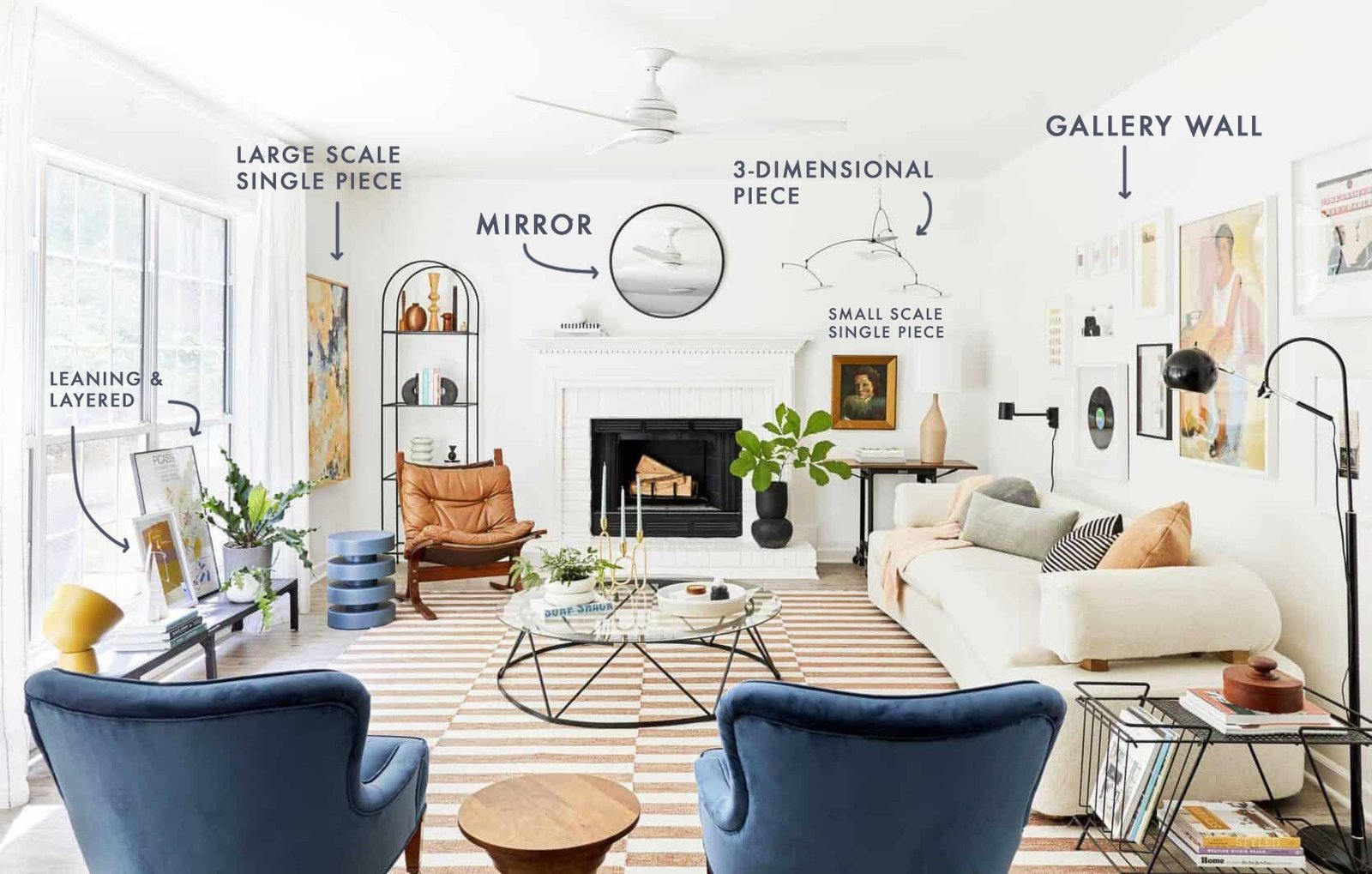
Alternative wall decor includes items like floating shelves with decorative objects, wall sculptures, mirrors, and textile art, offering three-dimensional interest and functional benefits.
The Case for Custom Artwork: Why Uniqueness Matters More Than Ever
Custom artwork delivers benefits that extend far beyond aesthetics. Research from the American Psychological Association shows that people surrounded by meaningful, personalized art experience 23% lower stress levels and 31% higher creativity scores compared to those with generic decorations.
Emotional Connection and Personal Meaning
Custom pieces create emotional anchors within your home. Every glance at a commissioned portrait of your grandmother or a painting inspired by your favorite vacation destination reinforces positive memories and personal identity. This emotional resonance simply cannot be replicated by mass-produced alternatives.
Moreover, custom artwork often appreciates in value, especially when commissioned from emerging artists whose careers develop over time. While not guaranteed, many homeowners discover their custom pieces become valuable investments alongside meaningful decorations.
Exclusivity and Conversation Value
Nothing starts conversations quite like unique artwork. Custom pieces become natural talking points, allowing you to share stories about the creation process, the artist’s background, or the personal meaning behind the work. This social benefit extends your enjoyment of the piece beyond private moments.
Supporting Artists and Creative Communities
Commissioning custom artwork directly supports working artists, contributing to vibrant creative communities. This feel-good factor adds another layer of satisfaction to your purchase, knowing you’ve helped sustain artistic careers and cultural development.
The Reality of Mass-Produced Wall Decor: Pros and Limitations
Mass-produced wall decor isn’t inherently problematic—it serves specific needs and offers genuine advantages for certain situations and budgets.
Immediate Availability and Predictable Results
When you need to decorate quickly—perhaps for a last-minute dinner party or new home staging—mass-produced options provide instant solutions. You can purchase, hang, and enjoy these pieces within hours rather than waiting weeks or months for custom work.
Additionally, mass-produced pieces offer predictable quality and appearance. What you see online or in stores is exactly what you’ll receive, eliminating the uncertainty that sometimes accompanies custom commissions.
Budget-Friendly Options for Every Room
Mass-produced decor allows you to fill multiple spaces affordably. For guest rooms, children’s playrooms, or temporary living situations, these options provide adequate visual interest without significant financial commitment.
Trend Accessibility
Mass-produced decor makes current design trends accessible to broader audiences. If you’re drawn to specific color palettes or styles trending on social media, mass-produced options let you experiment without major investment.
The Hidden Costs of Going Generic
However, mass-produced decor comes with less obvious disadvantages. The “throwaway culture” mentality means these pieces often end up in landfills within 2-3 years as tastes change or quality deteriorates. When calculated over time, frequently replacing inexpensive art can actually cost more than investing in quality custom pieces initially.
Furthermore, homes filled with recognizable mass-produced art can feel impersonal and temporary, potentially affecting both resident satisfaction and guest perceptions.
Alternative Wall Decor Solutions: The Middle Ground Options
Smart decorators often combine different approaches, creating layered, interesting walls that balance budget constraints with personal expression.
Mixing Custom and Mass-Produced Elements
Consider anchoring rooms with one or two custom statement pieces while filling additional wall space with carefully chosen mass-produced items. This strategy provides personality and uniqueness while managing costs effectively.
Functional Wall Decor
Floating shelves, decorative mirrors, and wall-mounted planters serve dual purposes, providing visual interest while offering practical benefits. These options often cost less than large artwork while adding dimensional variety to wall compositions.
DIY and Semi-Custom Solutions
Creating your own artwork or working with local artists for semi-custom pieces (like personalized prints or modified existing designs) offers middle-ground solutions that provide some uniqueness without full custom pricing.
Frequently Asked Questions
Financial experts recommend allocating 10-15% of your room’s total decoration budget to wall art. For a $3,000 living room makeover, plan $300-450 for wall decor. Distribute this budget strategically—invest more in pieces for high-traffic areas where you’ll see them daily.
Mass-produced options work well for temporary living situations, rental properties where you can’t make permanent changes, children’s rooms where tastes change rapidly, or when you’re still developing your personal style and want to experiment affordably.
Reputable artists provide digital mockups and color consultations before beginning work. Share photos of your space, existing furniture, and color preferences. Many artists specialize in creating pieces that complement specific design styles.
Inquire about the artist’s revision policy, timeline expectations, payment schedule, and shipping/installation services. Request references from recent clients and examples of similar completed projects. Clarify what happens if you’re unsatisfied with the final piece.
Custom artwork often requires specific care instructions from the artist. Generally, avoid direct sunlight, maintain consistent humidity, and dust regularly with appropriate tools. Mass-produced pieces typically need less specialized care but still benefit from proper hanging and occasional cleaning.
Absolutely! The key lies in maintaining some unifying elements—consistent color palettes, complementary styles, or unified framing approaches. Many successful interiors combine investment pieces with budget-friendly options strategically.
Making Your Decision: A Strategic Framework
Choose custom artwork when:
- You’re decorating permanent living spaces
- The room serves as a primary gathering area
- You want to support local artists
- You’re seeking conversation pieces
- You have specific personal or family themes to celebrate
- You’re willing to wait for the creation process
Select mass-produced options when:
- You’re working with tight timelines
- You’re decorating temporary or transitional spaces
- You’re experimenting with new design styles
- You need to fill multiple rooms affordably
- You prefer predictable results without uncertainty
Consider alternative solutions when:
- You want both function and beauty
- You’re seeking dimensional variety
- You enjoy DIY projects
- You want to combine multiple approaches
The Long-Term Perspective: Investment vs. Expense
Smart wall decor decisions require long-term thinking. While custom artwork requires higher upfront investment, it often provides better value over time through increased satisfaction, potential appreciation, and lasting quality.
Mass-produced decor might seem economical initially, but frequent replacements, disposal costs, and lower satisfaction levels can make it more expensive long-term. Additionally, homes with thoughtful, unique art often command higher resale values and appeal to discriminating buyers.
Consider creating a wall decor plan that evolves over time. Start with key custom pieces for primary areas, then gradually add complementary elements as budget allows. This approach lets you build meaningful collections while managing costs effectively.
Future-Proofing Your Choices
The wall decor landscape continues evolving, with digital art, sustainable materials, and hybrid solutions gaining popularity. When making decisions today, consider how your choices will age and adapt to changing technologies and trends.
Custom artwork from talented artists tends to transcend temporary trends, offering timeless appeal that works across different design phases. Meanwhile, high-quality mass-produced pieces that complement rather than dominate your decor can provide flexibility as your style develops.
Conclusion: Your Walls, Your Choice, Your Satisfaction
The decision between custom artwork and other wall decor options isn’t about right or wrong choices—it’s about alignment between your values, budget, timeline, and long-term vision for your space.
Custom artwork offers unparalleled personalization, emotional connection, and potential investment value, making it ideal for permanent spaces where you spend significant time. Mass-produced options provide accessibility, immediate availability, and budget flexibility, serving important needs in many decorating scenarios.
The most successful approach often combines different strategies thoughtfully. Perhaps you invest in custom artwork for your living room centerpiece while choosing carefully curated mass-produced pieces for secondary areas. Maybe you commission local artists for meaningful family portraits while selecting trendy prints for your home office.
Remember that your wall decor choices significantly impact your daily experience of home. Whether you choose custom artwork, mass-produced prints, or creative alternatives, ensure your selections reflect your personality, enhance your wellbeing, and bring you lasting satisfaction.
Your walls tell your story—make sure it’s a story you’re proud to live with every single day.