
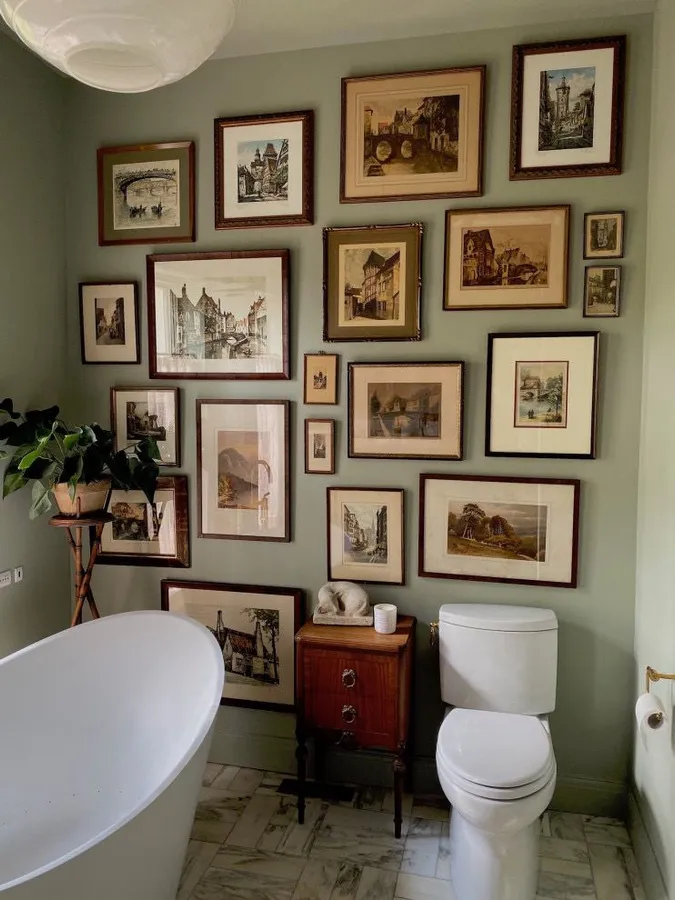
Your dream of creating a stunning vintage bathroom gallery wall keeps hitting the same wall of practical concerns – literally. How do you protect delicate botanical prints from steamy showers? Will humidity destroy precious family photographs? Can vintage artwork really survive the daily assault of toothbrush splatter, hair products, and towel-drying chaos that defines real bathroom life?
These legitimate fears stop countless homeowners from transforming their bathrooms into the gallery-worthy spaces they’ve always envisioned. Meanwhile, luxury hotels, high-end spas, and design-savvy homeowners worldwide prove daily that vintage artwork can not only survive bathroom environments but thrive in them when protected using professional-grade strategies and battle-tested installation techniques.
The secret lies in understanding that bathroom durability and vintage elegance aren’t mutually exclusive – they’re perfectly compatible when you apply the right protective methods, strategic positioning, and maintenance routines that professional designers have refined through years of real-world testing. Today, we’re revealing the complete blueprint for creating vintage bathroom gallery walls that deliver decades of beauty while withstanding everything daily life throws at them.
Understanding the Real Threats to Bathroom Gallery Walls
Before building defenses, you must understand exactly what endangers vintage artwork in bathroom environments. Professional conservators have identified five primary threats that destroy improperly protected gallery walls within months, but these same threats become manageable challenges when addressed systematically.
Humidity: The Silent Destroyer
Steam and ambient humidity pose the greatest long-term risks to vintage artwork, causing paper expansion, mold growth, and adhesive failures that destroy pieces gradually. Research from the Smithsonian Institution shows that artwork exposed to humidity levels above 55% for extended periods experiences accelerated aging equivalent to decades of normal wear within just six months.
However, humidity damage occurs predictably and preventably. Professional installation techniques create sealed microclimates around individual pieces while strategic positioning minimizes exposure to peak humidity zones near showers and bathtubs.
Direct Water Contact
Splashing from sinks, showers, and bathtubs can cause immediate, catastrophic damage to unprotected artwork. Even minor water contact creates staining, warping, and permanent discoloration that destroys both aesthetic appeal and monetary value instantly.
Professional galleries prevent splash damage through strategic positioning, protective barriers, and water-resistant framing systems that deflect rather than absorb accidental water contact.
Temperature Fluctuations
Rapid temperature changes cause expansion and contraction cycles that stress artwork materials beyond their tolerance limits. Bathroom heating and cooling patterns create particularly challenging conditions that can crack frames, separate adhesives, and distort paper substrates.
Chemical Exposure
Bathroom cleaning products, aerosols, and personal care items release chemical vapors that gradually degrade artwork materials. These invisible threats accumulate over time, causing fading, discoloration, and material breakdown that appears mysteriously without obvious causes.
Physical Impact Damage
Daily bathroom activities create risks from towel snapping, door slamming, and accidental contact that can crack glazing, dent frames, or knock artwork from walls. High-traffic bathroom environments require more robust mounting systems than typical residential applications.
The Professional-Grade Protection System
Creating gallery walls that survive decades of bathroom use requires layered protection systems that address each threat systematically. Professional installations combine multiple defensive strategies rather than relying on single solutions that create vulnerability points.
Moisture Barrier Technology
Modern conservation framing incorporates vapor barriers, desiccant systems, and sealed construction that creates stable microclimates within individual frames. These systems maintain optimal humidity levels regardless of external bathroom conditions while preventing condensation formation on glazing surfaces.
Professional-grade barriers use multi-layer construction with aluminum foil backing, moisture-absorbing materials, and sealed corner joints that eliminate infiltration pathways. While more expensive than standard framing, these systems provide decades of reliable protection that justifies the initial investment through artwork preservation.
Strategic Environmental Positioning
Position gallery walls away from direct steam paths while maintaining visibility from primary bathroom locations. Professional designers map air circulation patterns, identifying zones that receive adequate ventilation while avoiding peak humidity concentrations near shower areas.
Install humidity monitors near gallery wall locations to track environmental conditions continuously. Digital hygrometers with smartphone alerts enable proactive responses when conditions become dangerous, preventing damage through early intervention rather than post-damage restoration.
Advanced Glazing Systems
UV-protective glazing prevents fading while creating physical barriers against moisture, chemicals, and physical impact. Museum-quality glazing materials filter harmful wavelengths while maintaining optical clarity that preserves artwork visibility and color accuracy.
Consider anti-reflective coatings that eliminate glare from bathroom lighting while providing easy cleaning surfaces that resist water spotting and chemical residue. These specialized glazings cost more initially but provide superior long-term performance in challenging bathroom environments.
Step-by-Step Indestructible Gallery Wall Construction
Phase 1: Environmental Assessment and Preparation
Begin by documenting existing bathroom conditions over two-week periods, recording humidity levels, temperature fluctuations, and air circulation patterns. This baseline data identifies problem areas while establishing monitoring protocols for ongoing gallery wall maintenance.
Install necessary environmental controls including upgraded ventilation, supplemental dehumidification, and improved air circulation before hanging any artwork. Address underlying environmental issues rather than depending solely on individual artwork protection to ensure long-term success.
Phase 2: Professional-Grade Frame Selection
Choose frames specifically designed for high-humidity environments, featuring sealed construction, corrosion-resistant hardware, and moisture-resistant backing systems. Avoid traditional wood frames that expand and contract with humidity changes, potentially damaging artwork through dimensional stress.
Metal frames with powder-coated finishes provide superior durability while maintaining aesthetic appeal. Aluminum and stainless steel options resist corrosion while providing structural stability that prevents warping or joint failure under bathroom conditions.
Phase 3: Strategic Layout Planning
Create detailed wall plans that consider sight lines, steam paths, splash zones, and maintenance access requirements. Professional layouts balance aesthetic impact with practical protection needs, ensuring gallery walls enhance rather than complicate daily bathroom routines.
Use paper templates matching actual frame dimensions to test arrangements before committing to wall mounting. Live with proposed layouts for several days, observing how arrangements feel during different bathroom activities and lighting conditions.
Phase 4: Installation Hardware Selection
Choose mounting hardware rated for bathroom environments and artwork weights, including corrosion-resistant hangers, moisture-proof wall anchors, and security systems that prevent accidental displacement. Professional installations use redundant mounting systems that maintain stability even if primary hardware fails.
Install French cleat systems for larger pieces, providing secure mounting while enabling easy removal for cleaning or rotation. These professional-grade systems distribute weight evenly while allowing precise positioning adjustments without wall damage.
Phase 5: Protective Positioning Implementation
Position artwork at heights that minimize splash exposure while maintaining optimal viewing angles from bathroom activity areas. Professional installations typically place gallery walls 18-24 inches above sink backsplashes and 36+ inches from shower openings to avoid direct water contact.
Create buffer zones using decorative elements or functional fixtures that deflect water and steam away from artwork locations. Towel bars, shelving, or architectural features can provide protective barriers while maintaining design cohesion.
Frequently Asked Questions
Professional protection systems typically cost 2-3 times standard framing prices, but this investment prevents artwork replacement costs that often exceed original protection expenses. Budget $150-400 per piece for museum-quality protective framing versus $50-100 for standard residential framing.
Most existing frames require significant modifications or complete replacement to achieve bathroom durability standards. However, valuable pieces justify reframing costs when professional protection enables safe bathroom display of otherwise unusable artwork.
Monthly visual inspections combined with quarterly detailed examinations identify developing problems before they cause permanent damage. Annual professional maintenance checks ensure protection systems remain effective while optimizing environmental controls.
Botanical prints, architectural drawings, and photographs generally survive bathroom conditions better than watercolors or pastels. However, proper protection systems enable safe display of almost any artwork type when environmental controls are adequate.
Never position artwork directly above bathtubs, within 3 feet of shower openings, or adjacent to ventilation intake vents where condensation concentrates. Choose walls with good air circulation that remain visible from primary bathroom locations.
Advanced Durability Techniques
Climate-Controlled Display Cases
For extremely valuable pieces, consider sealed display cases with built-in climate control systems that maintain perfect conditions regardless of bathroom environmental fluctuations. These museum-quality solutions provide maximum protection while enabling full visibility and appreciation.
Rotating Display Systems
Implement seasonal rotation schedules that limit individual artwork exposure while maintaining visual interest throughout the year. This approach spreads environmental stress across larger collections while allowing recovery time in controlled storage environments.
Smart Monitoring Integration
Connect environmental sensors to home automation systems that provide real-time alerts and automated responses to dangerous conditions. Advanced systems can activate supplemental ventilation, adjust heating/cooling, or send emergency notifications when artwork faces immediate threats.
Maintenance Protocols for Long-Term Durability
Weekly Cleaning Routines
Establish gentle cleaning protocols using appropriate materials and techniques that maintain glazing clarity while avoiding chemical damage to frames or artwork. Professional cleaning supplies designed for artwork applications provide effective maintenance without introducing harmful substances.
Monthly Condition Assessments
Document artwork condition through systematic photography that enables early detection of developing problems. Compare monthly images to identify gradual changes that might indicate inadequate protection or environmental control failures.
Annual Professional Inspections
Schedule yearly examinations by qualified conservators who can assess protection system effectiveness while recommending improvements based on observed wear patterns. Professional expertise identifies subtle problems that untrained observers might miss until damage becomes severe.
Emergency Response Planning
Water Damage Protocols
Develop detailed procedures for addressing accidental water contact, including immediate artwork removal, emergency drying techniques, and professional consultation timelines. Rapid response during the first 24 hours often prevents permanent damage from becoming total loss.
Environmental Crisis Management
Create backup plans for ventilation failures, plumbing leaks, or other emergencies that could threaten entire gallery wall collections. Identify temporary storage locations and emergency contact information for professional assistance during crisis situations.
Cost-Effective Durability Solutions
Strategic Protection Prioritization
Focus highest-grade protection on most valuable pieces while using appropriate mid-level solutions for less critical artwork. This tiered approach maximizes protection within budget constraints while ensuring adequate safety for entire collections.
DIY Enhancement Options
Learn basic conservation techniques for maintaining protective systems, cleaning protocols, and minor repairs that extend professional service intervals. Proper homeowner maintenance significantly improves long-term durability while reducing ongoing costs.
Group Purchase Benefits
Coordinate with neighbors or design communities to achieve volume pricing on professional framing, environmental monitoring equipment, and conservation services. Group purchases often reduce individual costs while improving access to professional-grade solutions.
Conclusion
Creating vintage bathroom gallery walls that survive decades of daily use requires systematic application of professional protection principles, but the investment rewards you with beautiful, durable installations that enhance every bathroom experience. These aren’t decorative afterthoughts relegated to occasional appreciation – they become integral environmental elements that provide daily inspiration while withstanding real-world bathroom conditions.
The key to long-term success lies in understanding that durability and beauty aren’t competing priorities but complementary aspects of superior design. Professional-grade protection systems enable safe display of your most treasured vintage pieces while creating sophisticated environments that reflect your aesthetic vision and collecting expertise.
Start building your indestructible gallery wall today by assessing your bathroom’s environmental conditions and identifying protection priorities for your existing collection. Remember that professional durability systems represent investments in decades of enjoyment rather than expenses – your vintage artwork deserves protection that ensures it remains beautiful and intact for generations of family appreciation and daily inspiration.