
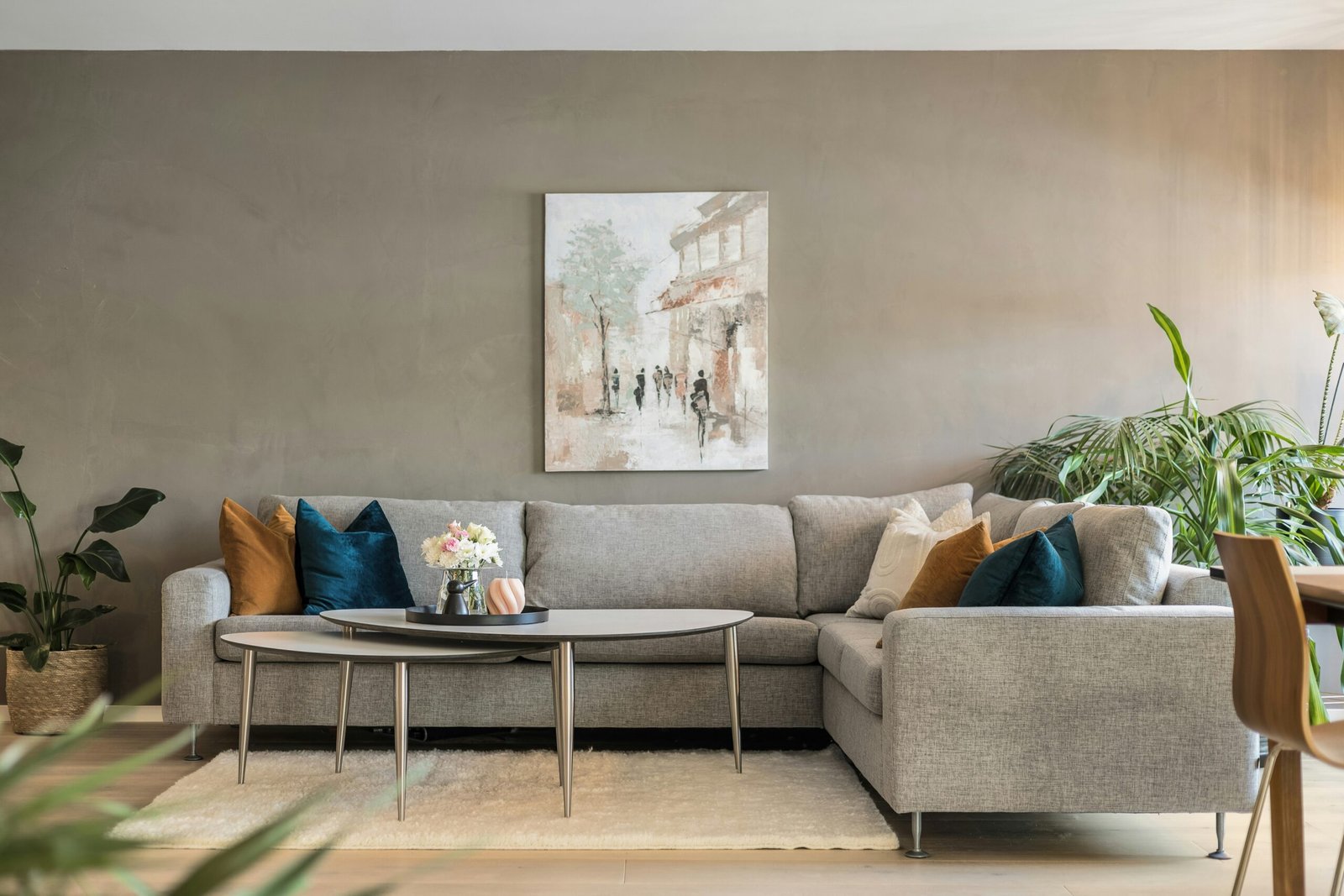
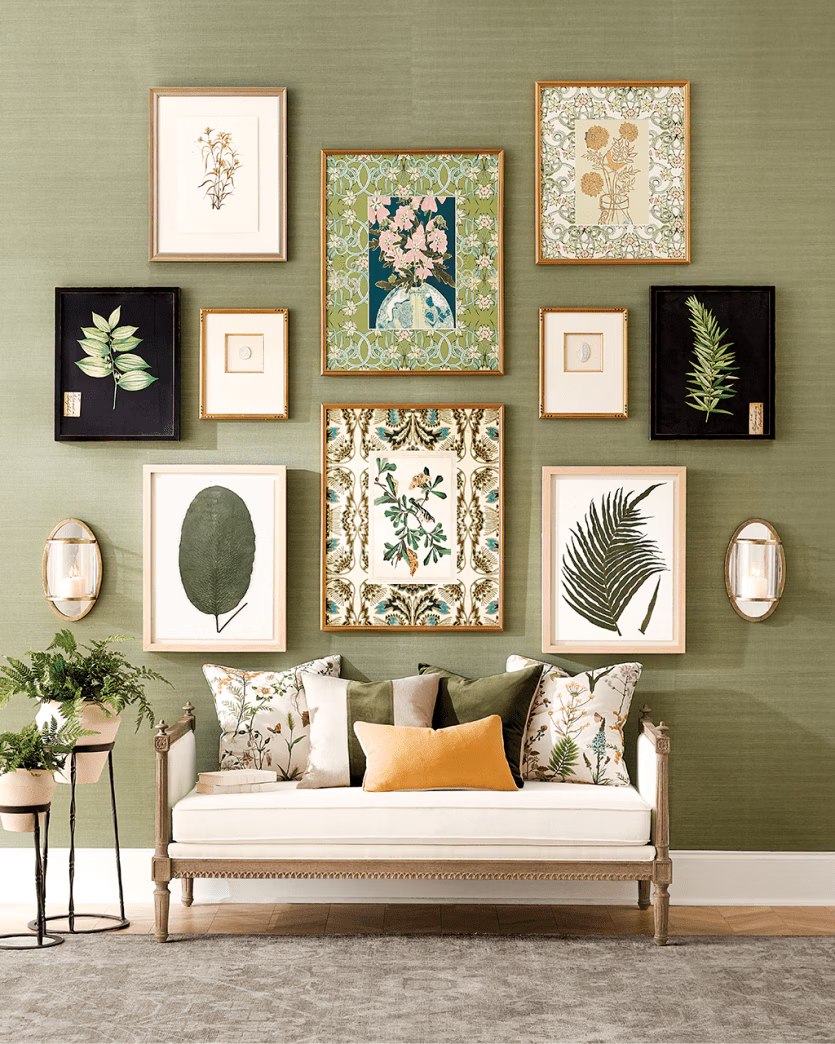
Picture walking into a sleek, contemporary living room where centuries-old botanical illustrations dance harmoniously alongside clean lines and minimalist furniture. This enchanting blend of old-world charm and modern sophistication isn’t just a design trend—it’s an art form that transforms ordinary spaces into extraordinary sanctuaries.
Vintage botanical prints have experienced a remarkable renaissance in modern interior design, with searches for “botanical wall art” increasing by 340% over the past two years. These timeless treasures offer the perfect bridge between nature’s beauty and contemporary aesthetics, creating spaces that feel both grounded and refreshingly current.
Why Vintage Botanical Prints Are Perfect for Modern Homes
Modern homes often struggle with feeling sterile or impersonal. Vintage botanical prints solve this challenge by introducing organic warmth, historical depth, and natural beauty without overwhelming contemporary design sensibilities. Unlike mass-produced artwork, authentic botanical prints carry stories—each line meticulously hand-drawn by naturalists and artists who spent countless hours studying nature’s intricate details.
The scientific accuracy and artistic beauty of these prints make them conversation starters that never go out of style. Whether you’re working with a Scandinavian minimalist approach or an industrial loft aesthetic, botanical prints adapt beautifully to various modern design philosophies.
Essential Strategies for Seamless Integration
1. Master the Art of Scale and Proportion
The key to successfully mixing vintage botanicals with modern decor lies in understanding scale relationships. Large-format prints work magnificently as statement pieces above contemporary sofas or dining tables, while smaller collections create intimate gallery walls in hallways or reading nooks.
Consider the 60-30-10 rule: let botanical prints occupy 60% of your wall decor, complement them with 30% modern elements, and add 10% metallic or textural accents for balance.
2. Choose Your Color Palette Wisely
Vintage botanical prints typically feature muted greens, warm browns, and cream backgrounds that naturally complement modern neutral palettes. However, don’t shy away from colorful specimens—vibrant flowers and exotic plants can add stunning pops of color to monochromatic modern spaces.
Pro tip: Pull accent colors from your botanical prints to use in modern accessories like throw pillows, vases, or lighting fixtures. This creates visual cohesion that feels intentional rather than accidental.
3. Frame Selection Makes All the Difference
Your framing choices can make or break the vintage-modern balance. Sleek black frames create dramatic contrast and emphasize the modern aesthetic, while natural wood frames enhance the organic feel. For a truly contemporary look, consider floating frames or gallery-style mounting that lets the prints breathe.
Mixed frame styles can work beautifully—try combining thin black metal frames with warm wood tones for an eclectic yet cohesive gallery wall.
Room-by-Room Implementation Guide
Living Rooms: Creating Focal Points
Transform your living room by creating a stunning botanical gallery wall above your modern sectional. Mix different sizes and frame styles while maintaining consistent spacing. A recent study by interior design firm Williams Sonoma found that rooms with botanical elements increased perceived relaxation levels by 45%.
Pair large-scale fern or palm prints with sleek modern furniture for an unexpected juxtaposition that feels both grounded and sophisticated.
Bedrooms: Cultivating Serenity
Bedrooms benefit enormously from the calming presence of botanical prints. Choose soft, muted specimens like lavender, eucalyptus, or delicate wildflowers to create a peaceful retreat. Position prints at eye level when lying in bed for maximum visual impact.
Kitchens: Embracing Natural Elements
Kitchen spaces come alive with herb and vegetable botanical prints. These functional artworks connect beautifully with modern cooking spaces while adding educational and historical interest. Consider prints of tomatoes, herbs, or fruit trees that relate to culinary themes.
Bathrooms: Unexpected Sophistication
Don’t overlook bathrooms as prime real estate for botanical prints. Water-loving plants like water lilies, cattails, or tropical specimens create spa-like atmospheres that complement modern fixtures and clean lines.
Frequently Asked Questions
Look for publishing information, paper quality, and printing methods. Genuine vintage prints often show slight aging, use high-quality paper, and feature hand-coloring or lithographic printing techniques.
Hang prints so their centers sit 57-60 inches from the floor—the standard museum height that works for most viewers.
Absolutely! The key is maintaining color harmony and balanced proportions. Botanical prints ground abstract pieces while modern art prevents botanical collections from feeling too traditional.
Odd numbers work best—groups of 3, 5, or 7 create more dynamic visual interest than even numbers.
Smart Shopping and Sourcing Tips
Finding authentic vintage botanical prints requires patience and knowledge. Estate sales, antique shops, and reputable online dealers offer genuine pieces, while high-quality reproductions provide budget-friendly alternatives that still deliver visual impact.
Invest in archival-quality materials for framing to protect your prints from UV damage and environmental factors. This ensures your investment maintains its value and beauty for years to come.
Styling Secrets from Professional Designers
Professional interior designers consistently use these techniques when incorporating botanical prints into modern spaces:
- Layer prints with live plants to create depth and reinforce the natural theme
- Use botanical prints to introduce texture in minimalist spaces
- Combine different botanical illustration styles (scientific, artistic, vintage field guides) for visual interest
- Balance detailed botanical prints with clean, simple furniture lines
Seasonal Rotation and Flexibility
One advantage of botanical prints is their versatility for seasonal decoration. Rotate different specimens throughout the year—spring flowers, summer ferns, autumn leaves, and winter evergreens—to keep your decor fresh and seasonally appropriate.
This approach allows you to invest in a larger collection while preventing visual fatigue from seeing the same artworks year-round.
Conclusion
Transforming your modern home with vintage botanical prints isn’t just about decoration—it’s about creating spaces that honor both natural beauty and contemporary living. These timeless artworks bridge the gap between past and present, bringing warmth, sophistication, and organic elegance to even the most minimalist modern interiors.
Start small with one or two carefully chosen pieces, then gradually build your collection as you discover what speaks to your personal style. Remember, the most beautiful homes tell stories, and vintage botanical prints offer narratives that span centuries while remaining perfectly relevant to today’s design sensibilities.
Your modern home deserves the timeless elegance and natural beauty that only authentic botanical prints can provide. Begin your transformation today, and watch as your contemporary spaces bloom with character, warmth, and unmistakable style.