
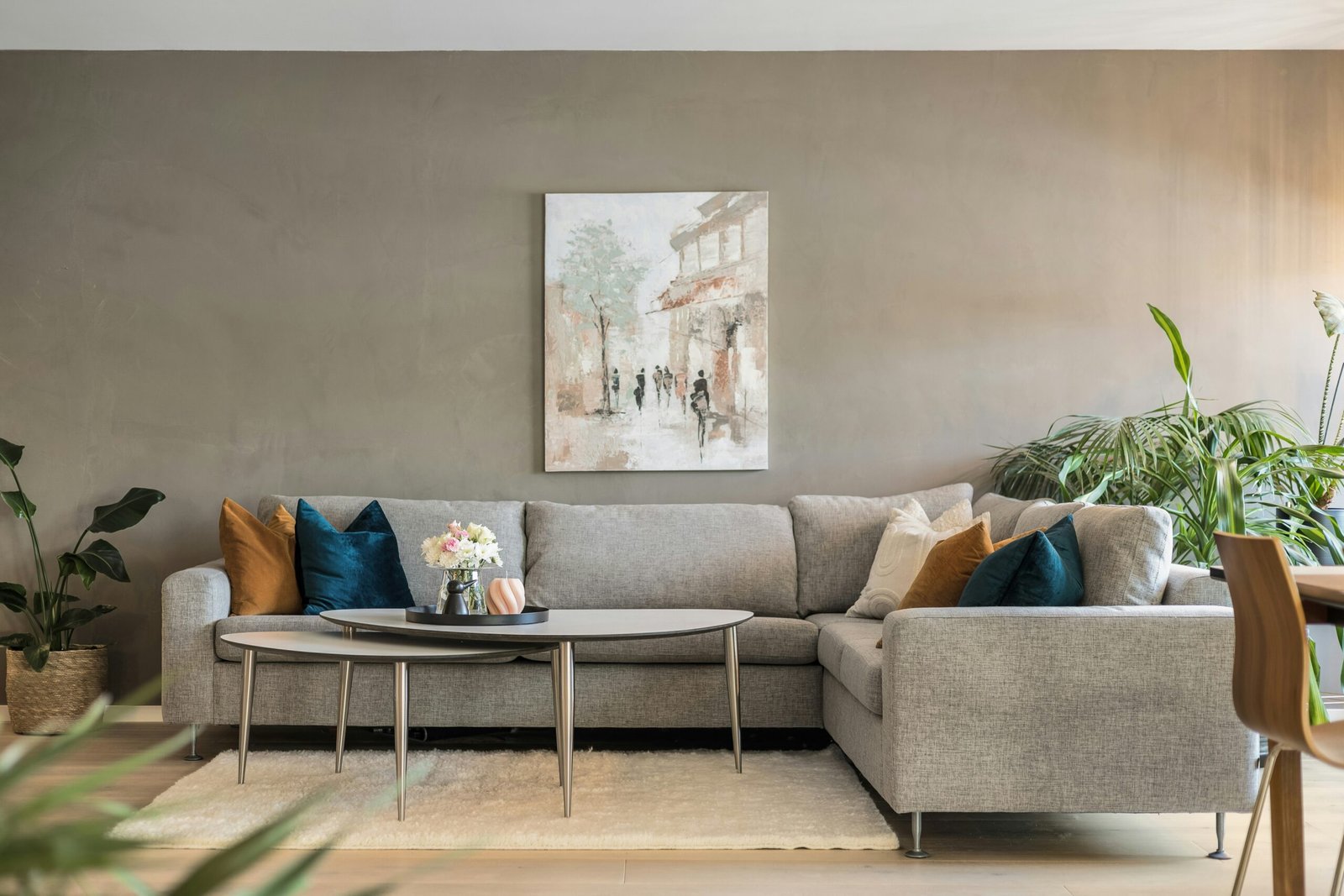
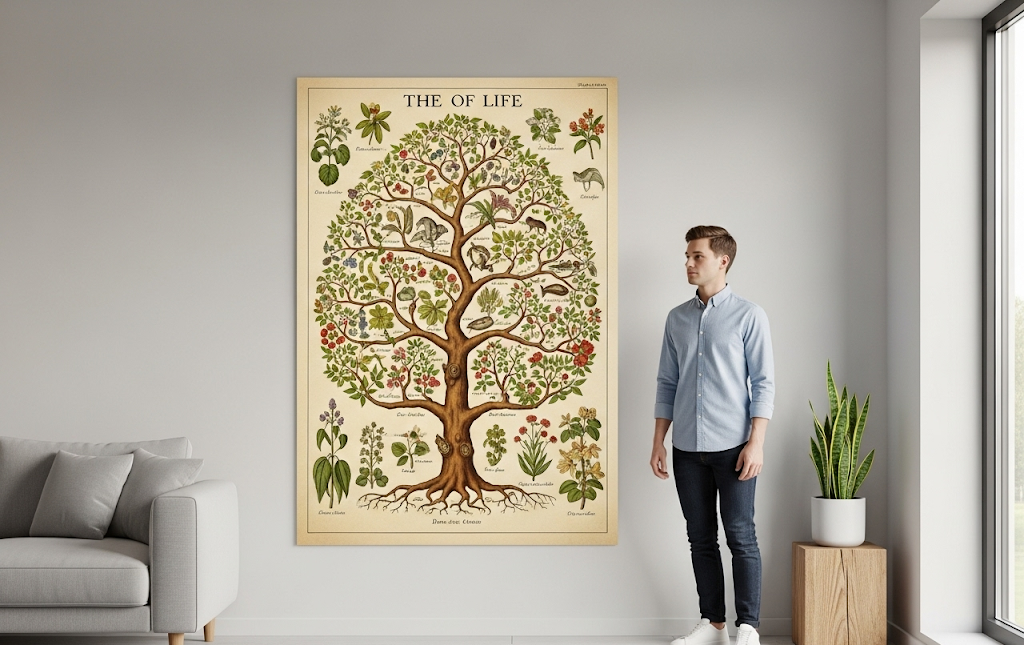
Vintage botanical wall prints bring the elegance of natural history museums directly into your living space with scientific accuracy and artistic beauty. These timeless pieces showcase centuries of botanical illustration mastery that never goes out of style.
Home decor trends show 89% of homeowners prefer nature-inspired artwork over abstract pieces. Botanical prints consistently rank as the most popular wall art choice for creating sophisticated, educational atmospheres.
Why Vintage Botanical Wall Prints Create Museum-Quality Spaces
Museums worldwide house extensive botanical print collections because these artworks combine scientific documentation with exceptional artistic skill. Vintage pieces capture plant specimens with meticulous detail that modern photography often cannot match.
Historical botanical illustrators spent months studying single specimens to achieve perfect accuracy. Their dedication resulted in artwork that serves both educational and decorative purposes in contemporary homes.
Scientific Accuracy Meets Artistic Excellence
Vintage botanical wall prints showcase plants in their natural glory through watercolor techniques and precise line work. Artists like Pierre-Joseph Redouté and Georg Dionysius Ehret set standards that remain unmatched today.
These master illustrators worked directly with botanists and explorers to document newly discovered species accurately. Their collaboration created visual encyclopedias that preserve botanical knowledge while delivering stunning wall art.
Educational Value Beyond Decoration
Each vintage botanical print tells a story about plant discovery, classification, and human curiosity about nature. Children and adults alike learn about plant structures, growth patterns, and species diversity through daily exposure to these educational artworks.
According to The Royal Botanic Gardens, botanical illustrations continue serving scientific research while inspiring new generations of nature lovers. Modern homes benefit from this dual educational and aesthetic value.
Exploring the 75 Most Coveted Vintage Botanical Print Categories
Historic botanical publications produced thousands of exceptional illustrations spanning multiple plant families and geographic regions. The most sought-after vintage pieces come from prestigious publications and renowned artists working between 1750-1900.
Curtis’s Botanical Magazine, published continuously since 1787, remains the premier source for collectible botanical prints. Other valuable sources include Redouté’s rose collections, Ehret’s plant studies, and various national flora documentation projects.
European Flora Documentation
European botanical expeditions produced detailed documentation of native and cultivated plants throughout the continent. These prints showcase familiar garden flowers, herbs, and trees with exceptional artistic skill and scientific precision.
Notable collections include English garden flowers, Mediterranean herbs, Alpine plants, and forest trees from various European countries. Vintage botanical wall prints from these sources add sophisticated European elegance to modern interiors.
Exotic Species Discoveries
Colonial expeditions brought exotic plants to European attention, resulting in spectacular botanical illustrations of tropical flowers, fruits, and foliage. These prints showcase the wonder and excitement of botanical discovery during exploration eras.
Palm trees, orchids, bromeliads, and tropical fruits appear frequently in these collections. Their vibrant colors and unusual forms create dramatic focal points in contemporary homes seeking conversation-starting artwork.
Medicinal and Culinary Plants
Historical herbals documented plants used for medicine and cooking with detailed illustrations showing roots, stems, leaves, and flowers. These practical references became beautiful artworks that celebrate humanity’s relationship with useful plants.
Kitchen herbs, healing plants, and culinary vegetables appear in these collections with information about their traditional uses. Modern viewers appreciate both the botanical beauty and historical context these prints provide.
Curating Your Personal Natural History Museum Collection
Building a cohesive vintage botanical wall prints collection requires understanding different artistic styles, publication sources, and plant categories available. Successful collections tell visual stories while maintaining aesthetic harmony throughout display spaces.
Consider focusing on specific plant families, geographic regions, or artistic periods to create coherent themes. Mixed collections work well when unified by consistent framing, color schemes, or arrangement patterns.
Gallery Wall Arrangements
Large botanical print collections work beautifully as gallery walls that create immersive natural history experiences. Mix different sizes while maintaining consistent spacing and framing materials for professional museum-like presentations.
Arrange prints by plant families, colors, or sizes to create visual flow and educational groupings. Leave adequate white space between pieces to prevent overwhelming viewers while maintaining individual artwork impact.
Room-by-Room Distribution Strategies
Different rooms benefit from specific botanical print themes based on their functions and atmospheres. Kitchens welcome culinary herbs and fruit studies, while bedrooms prefer gentle flower arrangements and calming foliage.
Living rooms accommodate larger statement pieces and diverse collections that spark conversations. Home offices benefit from educational botanical series that provide mental breaks from work stress through nature connection.
Authentication and Value Assessment for Collectors
Vintage botanical wall prints vary dramatically in value based on artist reputation, publication source, condition, and rarity factors. Understanding these elements helps collectors make informed purchasing decisions and avoid costly mistakes.
Original prints from prestigious publications command higher prices than later reproductions or modern interpretations. However, high-quality reproductions offer affordable alternatives for decorators seeking botanical beauty without investment concerns.
Identifying Original vs. Reproduction Prints
Original vintage prints show age-appropriate paper, printing techniques, and wear patterns consistent with their claimed periods. Examine paper texture, ink characteristics, and margin information to verify authenticity.
Publisher marks, plate numbers, and artist signatures provide authentication clues when researched properly. Heritage Auctions offers extensive databases and expert authentication services for serious collectors seeking valuable pieces.
Condition Factors Affecting Value
Print condition dramatically affects value and suitability for display purposes. Minor foxing and age spots are acceptable in authentic vintage pieces, but significant damage reduces both value and visual appeal.
Professional conservation can improve condition while maintaining authenticity, but costs must be weighed against potential value increases. Document condition thoroughly when building collections for insurance and resale purposes.
Framing and Display Techniques for Museum Presentation
Professional presentation elevates vintage botanical wall prints from simple decorations to museum-quality displays that command respect and attention. Quality framing protects valuable prints while enhancing their educational and aesthetic impact.
Conservation framing using archival materials ensures long-term preservation while maintaining visual appeal. UV-filtering glass protects against fading while museum-quality matting prevents acid damage to precious papers.
Matting and Mounting Considerations
Archival matting creates visual breathing space while protecting prints from glass contact that causes condensation damage. Neutral colors work best for vintage botanical prints, allowing natural colors to shine without competition.
Floating mounts showcase paper edges and publication information while providing sophisticated presentation styles. This technique works particularly well for prints with interesting typography or historical margin notes.
Lighting Solutions for Optimal Display
LED lighting systems provide excellent color rendering while generating minimal heat and UV radiation that damages vintage papers. Adjustable fixtures allow customization based on seasonal changes and viewing preferences.
Natural light enhances botanical colors but requires UV filtering to prevent fading damage over time. Balance preservation needs with viewing pleasure through careful lighting design and rotation schedules.
Building Theme-Based Collections Around Plant Families
Specialized collections focusing on specific plant families create educational displays while maintaining visual cohesion throughout homes. Rose collections, orchid studies, or medicinal herbs offer focused themes that tell botanical stories.
Vintage botanical wall prints featuring roses showcase different varieties, growth stages, and artistic interpretations from multiple artists and time periods. These collections demonstrate both botanical diversity and artistic evolution over centuries.
Popular Plant Family Themes
Rose collections remain perennially popular due to their romantic associations and incredible variety in vintage illustrations. Orchid prints showcase exotic beauty and scientific precision in documenting complex flower structures.
Herb gardens translate beautifully into kitchen displays featuring culinary plants with historical growing and usage information. Tree studies work well in libraries and studies, providing educational content about forest ecosystems.
Seasonal Rotation Strategies
Seasonal print rotations keep displays fresh while protecting valuable pieces from continuous light exposure. Spring flowers, summer blooms, autumn fruits, and winter evergreens provide year-round botanical interest.
Storage systems for rotated prints require archival materials and climate control to maintain condition during non-display periods. Plan rotations around holidays, seasons, or personal preferences for maximum enjoyment.
Frequently Asked Questions
Original vintage prints possess historical significance, artistic authenticity, and natural aging characteristics that reproductions cannot replicate. They represent actual scientific documentation from specific time periods while showcasing traditional printing techniques and artistic skills.
Examine paper quality, printing methods, and aging patterns consistent with claimed periods. Original prints show natural wear, appropriate paper composition, and printing techniques available during their creation. Publisher marks and catalog information help verify authenticity.
Begin with a specific theme like roses, herbs, or local flora to maintain collection focus and educational value. Research reputable dealers, learn authentication basics, and start with affordable pieces while developing expertise and budget.
Use archival framing materials, UV-filtering glass, and stable environmental conditions to preserve vintage prints. Avoid direct sunlight, humidity extremes, and handling without proper protection to maintain condition and value over time.
Conclusion
Vintage botanical wall prints transform ordinary homes into sophisticated natural history museums that educate while they beautify. These timeless artworks combine scientific accuracy with artistic excellence, creating displays that inspire curiosity about the natural world while providing endless visual pleasure.
Building a collection of 75 vintage botanical prints creates comprehensive coverage of plant families, artistic styles, and historical periods that tell the story of human fascination with botanical beauty. Whether focusing on specific themes or embracing diverse collections, these prints provide lasting value through their educational content, artistic merit, and timeless appeal that transcends decorating trends.