

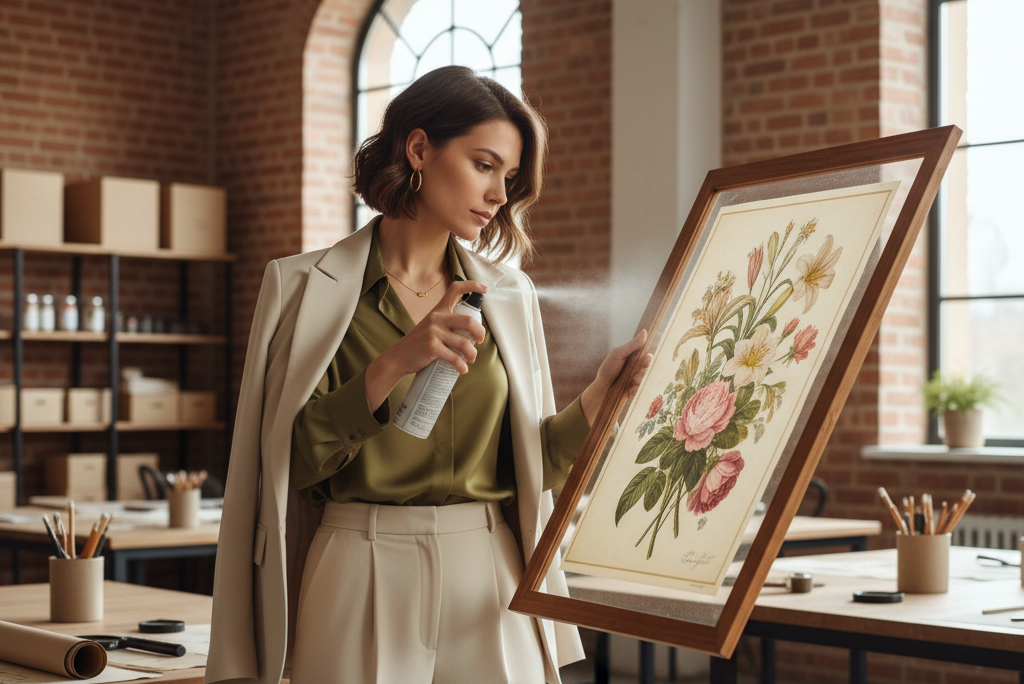
Preserving vintage floral prints requires specialized knowledge and techniques to maintain their beauty for future generations. These precious artworks face constant threats from light, humidity, and environmental factors that cause irreversible damage.
Art conservation experts estimate that improper storage destroys 65% of vintage prints within fifty years. Understanding proper preservation methods significantly extends artwork lifespan while maintaining original vibrancy and historical value.
Understanding Vintage Floral Print Vulnerabilities
Vintage papers contain wood pulp and acidic compounds that naturally deteriorate over time periods. These materials were never intended for long-term preservation, making professional conservation techniques absolutely essential for collectors.
Light exposure causes the most significant damage to vintage botanical artwork through photochemical reactions. UV radiation breaks down paper fibers and fades pigments in ways that cannot be reversed completely.
Paper Composition Challenges
Most vintage floral prints were created on wood pulp paper containing lignin and other acidic substances. These compounds cause yellowing, brittleness, and eventual disintegration without proper intervention and care techniques.
Preserving vintage floral prints requires understanding how different paper types age and respond to environmental conditions. Rag papers last longer than wood pulp, but both need specialized conservation approaches.
Common Deterioration Patterns
Foxing appears as brown spots caused by metal impurities in paper reacting with moisture. This oxidation process accelerates in humid environments and spreads throughout paper fibers progressively over time.
Edge darkening occurs when acidic materials migrate from mounting boards into artwork edges. This damage pattern indicates improper framing materials were used during previous conservation attempts historically.
Professional Conservation Assessment Importance
Expert conservators identify specific threats facing individual vintage floral print collections through detailed examinations. These assessments guide preservation strategies and prioritize interventions based on condition severity and value.
According to The American Institute for Conservation, professional evaluation prevents costly mistakes that well-meaning collectors often make inadvertently. DIY approaches frequently cause more damage than intended benefits.
Documentation and Photography
Conservators create detailed condition reports with high-resolution photographs documenting existing damage patterns and treatment needs. This documentation provides baseline information for monitoring future changes and treatment effectiveness.
Digital records help insurance companies assess claims and assist future conservators understanding previous treatments. Proper documentation significantly increases vintage floral print values in collector markets worldwide.
Treatment Planning Strategies
Preservation plans address immediate threats while considering long-term storage and display requirements for collections. Conservators prioritize treatments based on artwork significance, condition urgency, and available resources effectively.
Emergency stabilization prevents further deterioration while comprehensive treatments await scheduling and funding availability. This triage approach saves irreplaceable vintage floral prints from complete loss through delayed action.
Essential Environmental Controls for Collections
Preserving vintage floral prints requires maintaining stable temperature and humidity levels throughout storage areas consistently. Fluctuations cause paper expansion and contraction cycles that weaken fibers and accelerate deterioration processes.
Climate control systems should maintain 65-70°F temperatures with 45-55% relative humidity year-round. These conditions minimize chemical reactions while preventing mold growth and insect infestations that destroy paper artwork.
Temperature Stability Requirements
Avoid attics, basements, and other areas experiencing seasonal temperature swings that stress vintage paper fibers. Each 10°F temperature increase doubles chemical reaction rates that cause paper degradation and color fading.
Gradual temperature changes are less harmful than sudden fluctuations that cause immediate physical stress. Plan climate transitions carefully when moving vintage collections between different environmental conditions temporarily.
Humidity Control Strategies
High humidity promotes mold growth and accelerates acid hydrolysis in paper fibers rapidly. Low humidity causes brittleness and cracking that makes vintage floral prints extremely fragile during handling procedures.
Silica gel packets help buffer minor humidity fluctuations in storage containers and display cases effectively. Monitor levels regularly using digital hygrometers that provide accurate readings and historical data tracking.
Light Protection Methods and Materials
UV radiation destroys organic pigments and weakens paper structure through irreversible photochemical processes continuously. Preserving vintage floral prints requires eliminating harmful wavelengths while maintaining visibility for appreciation and study.
Museum-quality UV-filtering glazing blocks 99% of harmful radiation while maintaining optical clarity for display purposes. This investment protects valuable collections while allowing safe viewing under controlled conditions.
Window Film Applications
UV window films reduce harmful radiation entering storage and display areas significantly without major renovation costs. These transparent films block UV while maintaining natural lighting for daily activities and artwork viewing.
Professional installation ensures proper adhesion and eliminates air bubbles that reduce effectiveness over time. Quality films last 10-15 years before requiring replacement to maintain protection levels consistently.
LED Lighting Solutions
LED technology produces minimal UV radiation compared to traditional incandescent and fluorescent lighting systems. These energy-efficient alternatives generate less heat while providing excellent color rendering for vintage floral print appreciation.
Dimmer controls allow light level adjustments based on viewing needs and artwork sensitivity requirements. Lower light levels during storage periods significantly extend vintage print lifespans without sacrificing accessibility completely.
Proper Storage Techniques and Materials
Archival storage materials prevent acid migration and provide physical protection during handling and transport activities. Preserving vintage floral prints requires investing in museum-quality supplies that meet international conservation standards.
Flat storage in oversized folders prevents creasing and folding damage that occurs in tight containers. Horizontal positioning eliminates gravitational stress that causes sagging and distortion in large format artworks over time.
Archival Material Selection
Acid-free mat boards and tissue papers create protective barriers between vintage prints and potentially harmful surfaces. These materials pass accelerated aging tests proving their stability over extended time periods.
Polyester film sleeves provide excellent protection while allowing visual inspection without direct handling of fragile papers. Clear materials enable identification and condition monitoring without risking damage from repeated exposure.
Pest Prevention Strategies
Integrated pest management protects vintage collections from insects that consume paper and cause mechanical damage. Regular monitoring with sticky traps identifies infestations before significant damage occurs throughout storage areas.
Freezing treatments eliminate existing pest populations without chemical pesticides that might damage sensitive artwork materials. This eco-friendly approach requires professional execution to prevent condensation damage during temperature transitions.
Display Best Practices for Vintage Collections
Rotate displayed pieces regularly to prevent cumulative light damage while allowing collection appreciation by family and visitors. Preserving vintage floral prints balances preservation needs with enjoyment and educational opportunities effectively.
According to The Smithsonian Institution, limiting display periods to 3-6 months per year significantly extends artwork lifespans. Dark rest periods allow molecular structures to stabilize between exposure cycles.
Framing Specifications
Museum-quality framing uses archival materials and creates protective micro-environments around individual artworks consistently. Proper spacing prevents artwork contact with glazing that causes abrasion and moisture condensation damage.
Reversible mounting techniques allow future conservation treatments without damaging original artwork surfaces or edges. Avoid permanent adhesives and mounting methods that prevent safe removal for assessment or treatment procedures.
Exhibition Lighting Guidelines
Maintain illumination levels below 50 lux for sensitive vintage floral prints during display periods. Light meters help monitor cumulative exposure and guide rotation schedules based on scientific preservation standards.
Avoid direct sunlight and heat-producing fixtures that accelerate fading and paper deterioration processes. Indirect lighting provides adequate visibility while minimizing harmful effects on precious vintage collections.
Emergency Response and Disaster Planning
Develop written emergency procedures addressing fire, flood, and other disasters threatening vintage floral print collections. Quick response protocols minimize damage and improve recovery success rates significantly during crisis situations.
Priority lists identify most valuable pieces requiring immediate attention during emergency evacuations and recovery efforts. These rankings guide decision-making when time constraints prevent comprehensive collection rescue operations.
Water Damage Recovery
Immediate freezing stops mold growth and stabilizes water-damaged prints until professional conservation treatment becomes available. Never attempt air-drying vintage pieces without expert guidance that prevents permanent damage from improper handling.
Professional freeze-drying services extract moisture while maintaining paper structure and minimizing distortion effects. This specialized process requires industrial equipment and expertise not available to individual collectors.
Frequently Asked Questions
Examine collections quarterly for new damage, pest activity, or environmental problems that require immediate attention. Monthly checks during seasonal transitions help identify climate control issues before they cause significant deterioration problems.
Yes, but use UV-filtering window treatments and position artwork away from direct sunlight exposure. Monitor cumulative light exposure and rotate pieces regularly to prevent concentrated damage from prolonged illumination periods.
Document the condition with photographs and consult a professional conservator immediately for assessment and treatment recommendations. Early intervention prevents foxing from spreading throughout the paper and becoming more extensive over time.
Never attempt DIY treatments on valuable or irreplaceable vintage floral prints without professional guidance. Well-meaning efforts often cause irreversible damage that reduces artwork value and historical significance permanently.
Conclusion
Preserving vintage floral prints requires comprehensive approaches combining environmental controls, proper materials, and professional expertise for optimal results. These precious artworks deserve careful attention that ensures their survival for future generations to appreciate and study.
Successful preservation balances protective measures with reasonable access for enjoyment and research purposes effectively. Investing in proper conservation techniques today prevents irreversible losses while maintaining the cultural and aesthetic values that make vintage floral prints so treasured by collectors worldwide.