

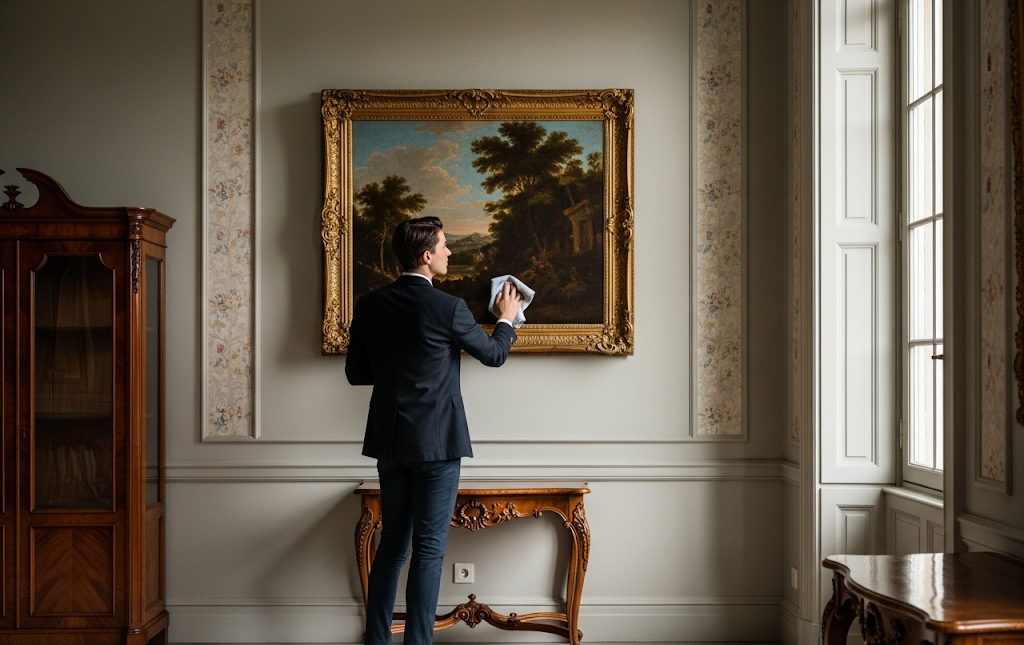
One careless cleaning attempt can destroy decades of accumulated value and irreplaceable artistic heritage in your treasured vintage wall art collection. Safe vintage art cleaning requires understanding delicate materials, appropriate techniques, and professional-grade supplies that preserve rather than damage these precious pieces. Museum conservators have perfected gentle methods that remove accumulated grime while protecting original surfaces from harm.
The difference between proper and improper cleaning techniques often determines whether vintage artwork maintains its value and beauty or suffers permanent, irreversible damage. Professional approaches developed over centuries of art conservation provide reliable methods that honor artistic integrity while achieving remarkable restoration results that bring new life to cherished pieces.
Understanding Why Vintage Artwork Requires Special Cleaning Care
The Vulnerability of Aged Materials
Vintage artwork contains materials that become increasingly fragile over time, making standard cleaning approaches potentially catastrophic. Paper fibers weaken and become brittle, while pigments may have loosened from their binding agents through decades of environmental exposure. Paint layers can flake off with minimal disturbance, and delicate surfaces require extremely gentle handling to prevent permanent damage.
Research from the Getty Conservation Institute reveals that artwork over 50 years old exhibits significantly reduced tensile strength in paper and canvas supports. This deterioration makes aggressive cleaning methods that might be safe for newer pieces potentially destructive for vintage collections.
Moreover, historical cleaning attempts using inappropriate materials often left residues or caused chemical reactions that complicate modern conservation efforts. Understanding these past interventions helps determine appropriate current cleaning strategies.
Common Contaminants That Accumulate Over Decades
Dust, smoke residue, and airborne pollutants gradually build up on artwork surfaces, creating dull, discolored appearances that mask original beauty. Kitchen proximity exposes pieces to grease particles that attract additional dirt, while tobacco smoke leaves stubborn yellow stains that penetrate deeply into porous materials.
Environmental pollutants from urban settings create acidic deposits that not only soil surfaces but also cause ongoing chemical damage. These contaminants continue causing harm even after visible soiling is removed, making thorough but gentle cleaning essential for long-term preservation.
Insect residues, pet dander, and human oils from handling create complex contamination layers that require systematic removal approaches. Each contaminant type responds differently to cleaning methods, requiring knowledgeable assessment before treatment begins.
Professional Safe Vintage Art Cleaning Assessment Techniques
Surface Analysis and Testing Protocols
Professional conservators begin every safe vintage art cleaning project with thorough surface analysis using magnification and specialized lighting. This examination reveals the artwork’s condition, identifies vulnerable areas, and determines appropriate cleaning intensity levels for different sections.
Solubility testing in inconspicuous areas determines how original materials respond to potential cleaning agents. Tiny cotton swabs with various solutions test surface reactions before broader application, preventing widespread damage from incompatible materials.
Digital microscopy documents surface conditions before, during, and after cleaning processes. This scientific approach provides objective evidence of cleaning effectiveness while ensuring no damage occurs during treatment procedures.
Material Identification for Appropriate Cleaning Methods
Different artwork materials require specific safe vintage art cleaning approaches that respect their unique characteristics and vulnerabilities. Watercolors demand different handling than oil paintings, while prints on paper need gentler treatment than canvas-mounted works.
Pigment analysis helps identify particularly sensitive colorants that might dissolve or fade during cleaning procedures. Some historical pigments were water-soluble by nature, while others react poorly to specific solvents commonly used in art conservation.
Binding agent identification determines whether artwork uses traditional materials like egg tempera or modern synthetic binders that respond differently to cleaning solutions. This knowledge guides appropriate technique selection and prevents chemical incompatibility problems.
Essential Tools and Materials for Safe Vintage Art Cleaning
Professional-Grade Cleaning Supplies
Museum-quality cleaning materials ensure safe vintage art cleaning results without introducing harmful substances that could cause future deterioration. Distilled water eliminates mineral deposits that tap water might leave behind, while pharmaceutical-grade solvents provide consistent purity levels.
Cotton swabs designed for conservation work offer superior absorbency and fiber control compared to standard cosmetic swabs. Natural sponge materials provide gentle surface contact without scratching or abrading delicate artwork surfaces.
Soft-bristled brushes in various sizes allow precise cleaning control in detailed areas. High-quality brushes maintain their shape and don’t shed fibers that could embed in artwork surfaces or cause scratching damage.
Specialized Equipment for Delicate Cleaning
Professional vacuum systems with variable suction control remove loose debris without creating damaging airflow patterns. Museum conservators use specialized nozzles and barriers that protect artwork while providing effective particulate removal.
Ultrasonic cleaning baths work effectively for cleaning glass and frames but should never be used directly on artwork surfaces. These devices require professional training to operate safely without causing vibration damage to delicate materials.
Humidity control systems maintain optimal moisture levels during cleaning procedures. Fluctuating humidity can cause paper and canvas to expand or contract during treatment, potentially causing cracking or other structural damage.
Step-by-Step Safe Vintage Art Cleaning Procedures
Dry Cleaning Methods for Surface Contamination
Dry cleaning represents the gentlest safe vintage art cleaning approach for removing loose surface contamination without introducing moisture that could cause staining or dimensional changes. Soft brushes remove dust accumulation while vacuum systems capture loosened particles before they resettle elsewhere.
Chemical sponges designed for art conservation lift surface soiling through gentle contact without requiring liquid solvents. These specialized materials work effectively on many contaminants while leaving no residue that could cause future problems.
Erasers formulated specifically for art cleaning remove specific types of soiling without abrading underlying surfaces. Professional conservators test eraser compatibility before use and employ careful techniques that minimize surface pressure.
Wet Cleaning Techniques for Stubborn Contamination
When dry methods prove insufficient, carefully controlled wet cleaning using appropriate solvents can address more stubborn contamination safely. Distilled water applied with cotton swabs provides gentle cleaning action for many water-soluble contaminants.
Alcohol-based solutions work effectively on grease and oil-based soiling that resists water cleaning. However, these solvents require careful testing since they can dissolve some pigments or damage certain binding agents used in historical artwork.
The Smithsonian Institution conservation protocols emphasize minimal solvent use and immediate neutralization to prevent ongoing chemical reactions that could damage artwork over time.
Localized Treatment for Specific Problem Areas
Stain removal requires targeted approaches that address specific contamination types without affecting surrounding areas. Professional conservators use controlled application methods that limit solvent exposure to only affected regions.
Mold and mildew removal demands specialized techniques and safety precautions due to health hazards and the stubborn nature of these biological contaminants. Safe vintage art cleaning protocols for mold situations often require professional intervention to prevent health risks and ensure complete removal.
Insect damage cleaning involves removing insect bodies and residues that can continue causing staining and deterioration if left untreated. These procedures require gentle mechanical removal combined with appropriate cleaning solutions.
Advanced Cleaning Techniques for Challenging Situations
Addressing Smoke and Nicotine Damage
Tobacco smoke and fire damage create some of the most challenging safe vintage art cleaning situations due to penetrating oils and acidic compounds that bond strongly to artwork surfaces. Professional cleaning requires multiple gentle treatments rather than aggressive single applications.
Smoke residue often requires sequential cleaning approaches using different solvents to address various contamination components. Water-soluble compounds respond to aqueous cleaning, while tar-based residues need organic solvent treatment.
Odor elimination becomes important for artwork exposed to smoke damage. Activated charcoal treatments and controlled ventilation help remove residual odors that indicate ongoing chemical processes that could damage artwork over time.
Paint Layer Stabilization During Cleaning
Flaking or unstable paint layers require consolidation before safe vintage art cleaning can proceed safely. Professional conservators use reversible adhesives that strengthen paint attachment without interfering with future conservation treatments.
Cleaning around unstable areas requires extreme caution to prevent disturbing loose paint fragments. Special techniques protect vulnerable sections while allowing effective cleaning of stable areas.
Temperature and humidity control becomes critical during cleaning procedures involving unstable paint layers. Environmental fluctuations can cause expansion and contraction that dislodges weakened paint during cleaning operations.
Conservation Ethics and Reversibility in Cleaning Procedures
Maintaining Artistic Integrity Through Minimal Intervention
Professional safe vintage art cleaning follows conservation ethics that prioritize preserving original artist intent while removing only harmful contamination. This approach maintains historical authenticity while improving aesthetic appearance and ensuring long-term stability.
Documentation of all cleaning procedures provides future conservators with complete treatment histories that guide subsequent interventions. Detailed records include materials used, techniques employed, and areas treated during each conservation episode.
Reversibility remains a fundamental principle in professional art conservation. All cleaning materials and techniques should allow future removal or modification without damaging original artwork materials or compromising artistic integrity.
Recognizing When Professional Conservation is Necessary
Complex cleaning situations involving valuable artwork often exceed safe DIY capabilities and require professional conservation expertise. Recognizing these limitations prevents well-intentioned cleaning attempts that could cause irreversible damage to precious pieces.
Insurance considerations may require professional cleaning documentation for valuable artwork coverage. Professional conservators provide detailed condition reports and treatment documentation that satisfy insurance requirements while ensuring appropriate care standards.
Historical significance can make artwork conservation decisions more complex, requiring expertise in art history, materials science, and conservation ethics that professional conservators possess through specialized training and experience.
Preventive Care That Reduces Future Cleaning Needs
Environmental Controls That Minimize Contamination
Proper display conditions significantly reduce the frequency and intensity of cleaning needs for vintage artwork collections. Controlled lighting, stable humidity, and air filtration systems prevent many contamination problems that would otherwise require cleaning intervention.
Regular maintenance cleaning using gentle methods prevents contamination buildup that would eventually require more aggressive treatment approaches. Monthly dusting with soft brushes maintains artwork appearance while preventing deep penetration of surface contaminants.
Protective glazing systems shield artwork from direct environmental exposure while maintaining visual access. Museum-quality framing with proper sealing prevents most contamination while allowing safe vintage art cleaning access when necessary.
Long-Term Monitoring and Maintenance Strategies
Regular inspection schedules help identify cleaning needs before contamination becomes deeply embedded or causes permanent staining. Early intervention using gentle methods proves more effective and less risky than delayed treatment of severe contamination.
Photography documentation tracks condition changes over time and helps determine optimal cleaning intervals for different environmental conditions. This objective monitoring prevents unnecessary cleaning while ensuring timely intervention when needed.
Professional assessment every 3-5 years provides expert evaluation of cleaning effectiveness and identifies emerging conservation needs that require attention. This proactive approach prevents minor problems from developing into major restoration challenges.
Frequently Asked Questions
Start with gentle dry cleaning using soft brushes and museum-quality cotton swabs to remove surface dust and loose debris. Never use water, household cleaners, or commercial art cleaning products without professional guidance, as these can cause irreversible damage. If dry cleaning doesn’t achieve satisfactory results, consult a professional conservator rather than attempting wet cleaning methods that could permanently harm valuable artwork.
Professional cleaning becomes necessary when artwork shows embedded staining, discoloration, mold growth, or structural problems like flaking paint. Valuable pieces, artwork with sentimental significance, or pieces showing signs of previous damage should receive professional evaluation before any cleaning attempts. Simple dust removal and surface maintenance can often be performed safely at home, but complex contamination requires expert intervention.
Never use household cleaners, paper towels, regular sponges, or any products containing ammonia, bleach, or acids on vintage artwork. Avoid using tap water, which contains minerals that can leave deposits or cause staining. Commercial art cleaning products marketed to consumers often contain harsh chemicals inappropriate for vintage pieces. Feather dusters can scratch surfaces and should be avoided in favor of soft brushes designed for art cleaning.
Professional cleaning frequency depends on environmental conditions, display location, and artwork condition, but most pieces benefit from professional assessment every 5-10 years. Artwork in high-traffic areas, kitchens, or locations with smoking may require more frequent attention. Regular gentle maintenance cleaning can extend intervals between professional treatments while ensuring optimal preservation and appearance of valuable vintage pieces.
Preserve Your Artistic Heritage Through Expert Cleaning Practices
Safe vintage art cleaning transforms cherished pieces from dulled, contaminated surfaces to vibrant displays that honor their original beauty and cultural significance. Professional techniques adapted for careful home use provide effective contamination removal while preserving the artistic integrity and historical value that makes vintage artwork so precious.
The investment in proper cleaning knowledge and materials pays substantial dividends through enhanced artwork appearance, extended lifespan, and maintained value that benefits both current enjoyment and future generations. By following conservation principles and recognizing professional service needs, you ensure your vintage art collection receives the respectful care these cultural treasures deserve while maintaining their beauty and significance for decades to come.