
Creating sophisticated contemporary living spaces requires mastering the delicate art of incorporating abstract painting modern interiors that complement your architectural elements and lifestyle preferences. Whether you’re designing a minimalist sanctuary or a bold artistic statement, understanding how abstract artwork interacts with modern design principles can dramatically elevate your home’s aesthetic appeal and emotional resonance.
Abstract art has become increasingly popular in contemporary interior design, with abstract art being a rapidly growing trend in interior design. The key lies in strategic selection and placement techniques that enhance rather than overwhelm your carefully curated living spaces while maintaining the clean, sophisticated aesthetic that defines modern interior design.
Understanding Abstract Art Styles for Contemporary Spaces
Geometric abstraction features clean lines and shapes, creating a sense of order and symmetry that works well in modern, minimalist interiors. This foundational understanding helps guide your selection process when choosing pieces that will harmonize with your existing architectural elements and furniture selections.
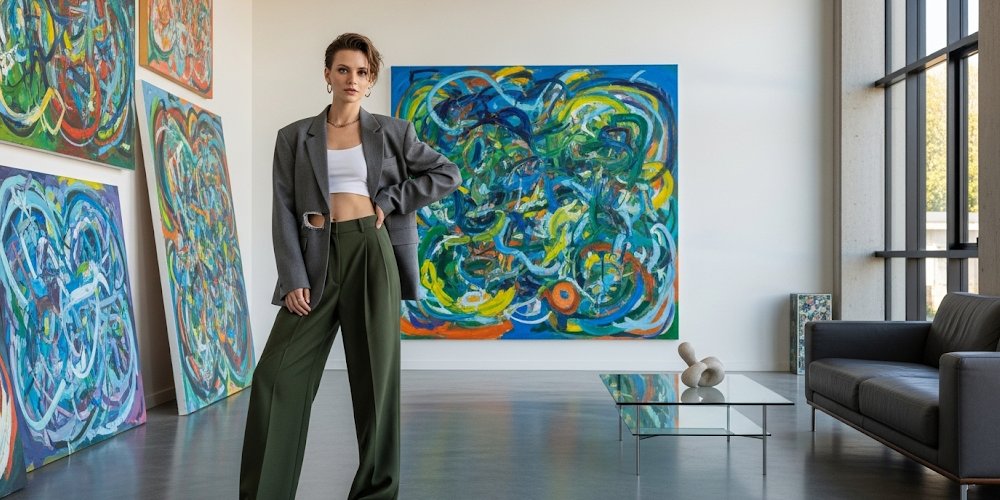
Expressionist abstract pieces bring emotional depth through bold brushstrokes and dynamic color applications, perfect for creating focal points in living rooms or bedrooms. These works add personality and warmth to otherwise stark modern environments, balancing functionality with artistic expression.
Color field paintings offer serene, meditative qualities through large areas of solid or subtly varied colors. These sophisticated pieces work exceptionally well in bedrooms, meditation spaces, or areas where calm, contemplative atmospheres enhance daily routines and relaxation practices.
Strategic Color Coordination in Abstract Painting Modern Interiors
Choose a piece that bursts with colors that speak to you – be it fiery reds for passion, serene blues for calmness, or sunny yellows for joy. This bold centerpiece can inspire the color scheme and decor choices for the rest of the room, creating cohesive and dynamic interior environments that feel intentionally designed rather than accidentally assembled.
Monochromatic abstract pieces provide sophisticated solutions for modern spaces emphasizing restraint and elegance. Black and white abstracts particularly suit contemporary minimalist aesthetics while offering visual interest without competing with architectural features or furniture selections.
Analogous color schemes using adjacent wheel colors create harmonious, flowing environments perfect for open-plan modern homes. Blue-green-purple combinations promote tranquility, while warm red-orange-yellow palettes energize social spaces and encourage interaction among family members and guests.
Complementary color contrasts using opposite wheel colors create dynamic visual tension that commands attention. These bold approaches work best as statement pieces in rooms with neutral backgrounds, allowing the artwork to serve as primary color sources throughout the space.
Scale and Proportion Guidelines for Modern Interior Styling
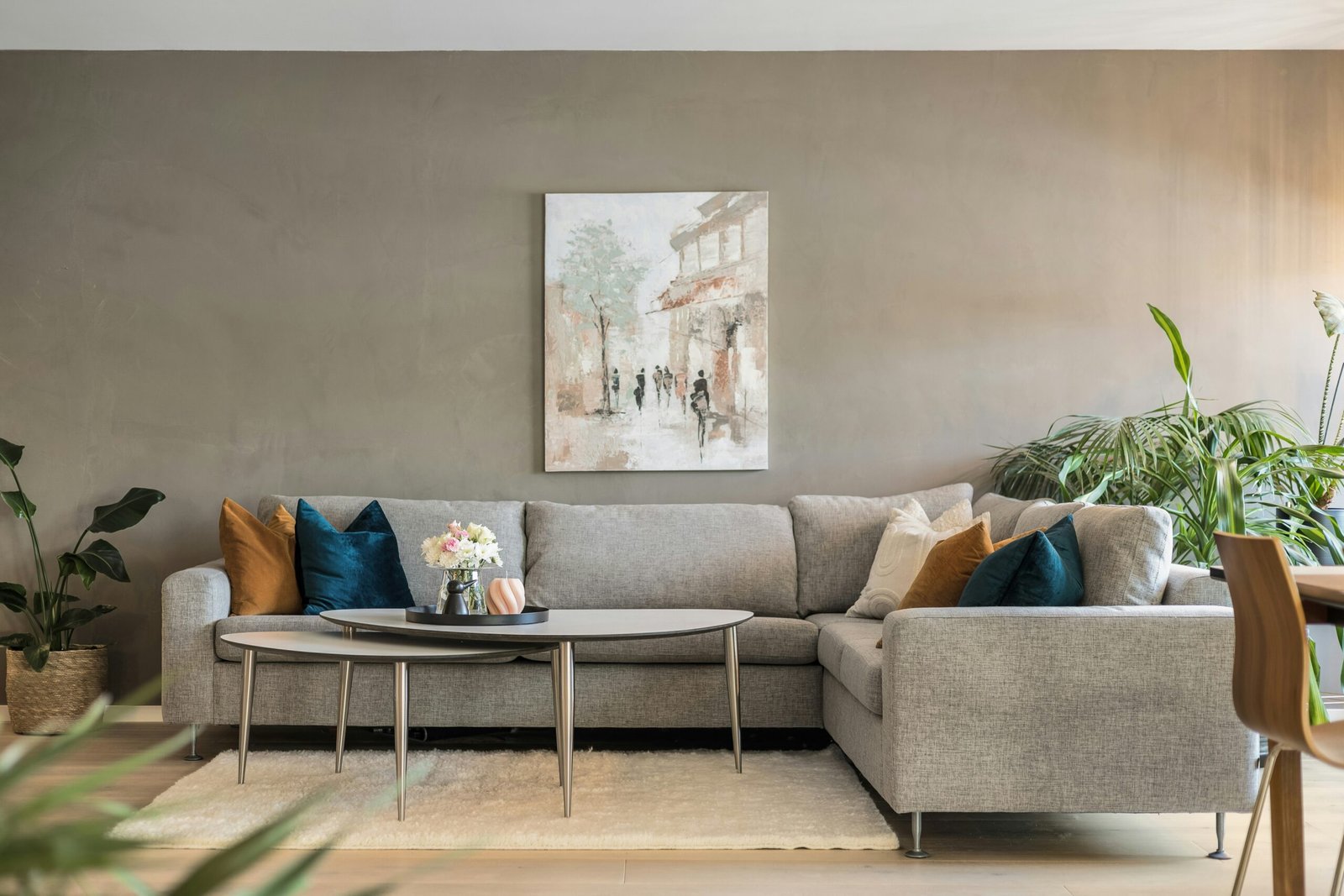
Large-scale abstract paintings work magnificently in modern interiors with high ceilings and open floor plans, creating dramatic focal points that anchor furniture arrangements while establishing visual hierarchy throughout spacious living areas.
Medium-sized pieces (24×36 to 30×40 inches) suit most residential applications, providing substantial visual impact without overwhelming typical room proportions. These versatile dimensions work well above sofas, beds, or dining areas where artwork serves both decorative and spatial organization functions.
Multiple smaller abstract pieces arranged in gallery configurations create sophisticated visual narratives throughout modern homes. Stick to a limited color palette for cohesiveness; keep framing colors and materials similar; and incorporate a mix of sizes and mediums for interest.
Consider ceiling height relationships when selecting artwork dimensions. Standard 8-foot ceilings accommodate pieces up to 40 inches in height, while higher ceilings allow for more dramatic vertical presentations that emphasize architectural grandeur.
Lighting Techniques That Enhance Abstract Artwork Display
Track lighting systems offer flexible solutions for highlighting abstract painting modern interiors while providing adjustable illumination for different times of day and seasonal changes. Position lights at 30-degree angles to minimize glare while maximizing color saturation and texture visibility.
Natural light considerations significantly impact abstract artwork presentation throughout the day. Position pieces perpendicular to windows to avoid direct sunlight damage while benefiting from gentle, indirect illumination that enhances color depth and brushwork details.
LED picture lights provide energy-efficient solutions specifically designed for artwork illumination. These fixtures mount directly above or below frames, creating dramatic lighting effects that transform abstract paintings into focal points during evening hours.
Professional lighting consultants recommend combining multiple light sources to create layered illumination that showcases abstract artwork effectively. Explore specialized solutions through Philips Lighting for advanced residential art lighting systems.
Framing and Mounting Solutions for Contemporary Aesthetics
A sleek, minimal frame (such as a thin black, white, or metallic frame) works well for contemporary spaces, while a floating frame can add depth without distracting from the artwork. These approaches maintain focus on the artwork while complementing modern interior design principles.
Frameless mounting techniques create clean, contemporary presentations that emphasize artwork over decorative elements. Museum-quality mounting systems provide professional appearances while protecting valuable abstract pieces from environmental damage and handling wear.
Gallery-style hanging systems enable easy artwork rotation without wall damage, perfect for collectors or those who enjoy seasonal design updates. These professional systems work particularly well in modern homes with concrete or exposed brick walls.
Custom framing solutions allow precise color and material coordination with existing interior elements. Consider metallic frames that echo kitchen fixtures or door hardware for subtle design cohesion throughout modern living spaces.
Room-Specific Applications for Abstract Painting Modern Interiors
Living rooms benefit from large statement pieces positioned above main seating areas, creating conversation focal points that establish room personality and guide furniture arrangements. Consider how artwork interacts with television placement and lighting patterns.
Bedrooms require more intimate, calming abstract selections that promote rest and relaxation. Avoid overstimulating colors or aggressive compositions that might interfere with sleep quality, instead favoring gentle, flowing abstracts in soothing palettes.
Home offices need abstract artwork that inspires creativity while maintaining professional aesthetics for video conferencing. Consider how background artwork appears on camera while selecting pieces that enhance productivity and focus.
Dining areas showcase abstract paintings that complement social dining experiences without competing with food presentation or conversation. Position artwork at eye level for seated diners, ensuring comfortable viewing angles during meals.
Kitchen spaces accommodate smaller abstract pieces that add personality to functional areas. Choose moisture-resistant materials and protective framing to withstand cooking humidity and temperature variations that could damage unprotected artwork.
Creating Cohesive Design Flow Throughout Modern Homes
Abstract painting modern interiors work best when integrated into comprehensive design schemes that consider color relationships, style consistency, and visual flow between connected spaces. Plan artwork selections alongside furniture and accessory choices for maximum impact.
Transitional spaces like hallways benefit from abstract piece sequences that guide movement throughout homes while maintaining visual interest along otherwise utilitarian pathways. These installations create sophisticated gallery experiences within residential settings.
Open-plan modern homes require careful consideration of sight lines and visual relationships between different functional areas. Position abstract artwork to complement rather than compete with architectural features, furniture arrangements, and natural light patterns.
Consider seasonal flexibility when planning abstract art installations, allowing for updates that reflect changing preferences, lighting conditions, or special occasions without requiring major design overhauls or expensive replacements.
Investment and Acquisition Strategies for Abstract Art Collections
Emerging artist markets offer affordable opportunities for building abstract art collections that complement modern interior design objectives. Research local art schools, galleries, and online platforms for discovering talented artists whose work aligns with your aesthetic preferences.
Limited edition prints provide accessible alternatives to original abstract paintings while maintaining artistic integrity and investment potential. High-quality reproduction techniques now offer museum-standard results at fraction of original artwork costs.
Online art marketplaces like Saatchi Art and Artsy provide extensive selection options with detailed artist information, pricing transparency, and satisfaction guarantees that reduce purchasing risks for new collectors.
Consider artwork as long-term investment pieces that enhance both living quality and property values. Quality abstract pieces from established artists often appreciate over time while providing daily aesthetic enjoyment throughout ownership periods.
Frequently Asked Questions
Large abstract paintings (40×60 inches or bigger) create dramatic focal points in spacious modern living rooms, while medium pieces (24×36 to 30×40 inches) suit average residential spaces. Consider your ceiling height, wall space, and furniture scale when selecting dimensions. The artwork should occupy roughly 60-75% of available wall space above major furniture pieces for optimal visual balance.
Start with your existing color palette and select abstract pieces that either harmonize with these colors or provide strategic contrast as accent elements. Monochromatic abstracts offer safe, sophisticated options, while complementary color schemes create dynamic visual interest. Consider how natural and artificial lighting affects color perception throughout different times of day before making final selections.
Modern interiors typically benefit from minimal framing approaches that don’t compete with the artwork. Thin black, white, or metallic frames work well, while floating frames add depth without visual distraction. Frameless mounting creates contemporary presentations but requires proper mounting techniques to prevent damage. Consider your wall color and surrounding decor when making framing decisions.
Focus on creating one primary focal point per room with additional smaller pieces as supporting elements. Large rooms can accommodate multiple abstract paintings when arranged thoughtfully, but avoid overwhelming spaces with too many competing visual elements. Gallery walls work well in modern interiors when pieces share cohesive color palettes or stylistic approaches while maintaining consistent spacing and framing.
Conclusion
Mastering abstract painting modern interiors requires understanding the delicate balance between artistic expression and contemporary design principles. Through strategic color coordination, appropriate scaling, professional lighting, and thoughtful placement techniques, abstract artwork transforms modern living spaces into sophisticated, personally meaningful environments that reflect individual taste while maintaining architectural integrity.
The key to successful integration lies in viewing abstract art as integral design elements rather than afterthought decorations. By considering how each piece interacts with existing furnishings, lighting conditions, and spatial relationships, homeowners can create cohesive interior environments that feel both contemporary and timeless, ensuring lasting satisfaction with their artistic investments.