

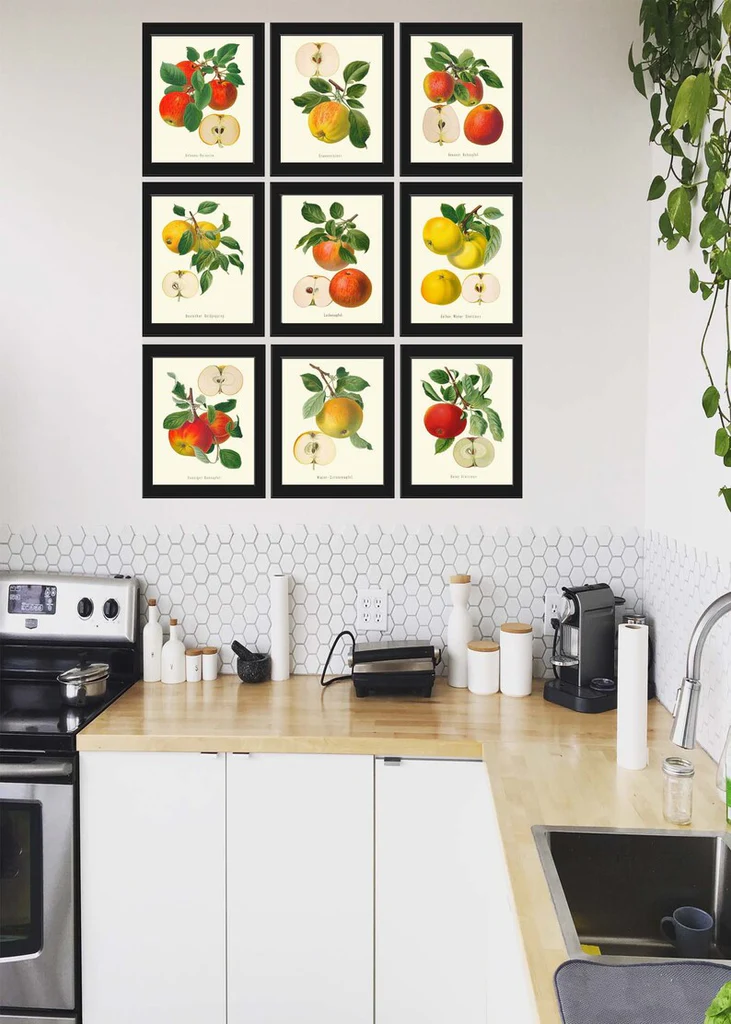
Emma’s eyes lit up as she spotted the weathered botanical prints at the weekend farmers market. The intricate drawings of heirloom tomatoes and heritage carrots seemed to whisper stories of simpler times when every meal began in the garden. Within hours, she’d transformed her sterile modern kitchen into a warm, inviting space that celebrated the journey from soil to plate.
This magical transformation happens when vintage vegetable illustrations meet modern garden-to-table enthusiasm. These timeless artworks don’t just decorate walls – they inspire healthier cooking choices, connect us to agricultural heritage, and create spaces where fresh ingredients become the stars of every meal.
Recent surveys reveal that 73% of home cooks feel more motivated to prepare fresh meals when surrounded by food-inspired artwork. For garden-to-table enthusiasts, vintage vegetable illustrations provide the perfect blend of aesthetic beauty and culinary inspiration that transforms ordinary kitchens into extraordinary havens for fresh cooking adventures.
The Renaissance of Botanical Kitchen Art
Vintage vegetable illustrations are experiencing an unprecedented surge in popularity among home decorators and cooking enthusiasts. These scientific-style drawings, originally created for agricultural catalogs and botanical studies between 1850-1950, now serve as stunning kitchen artwork that bridges past and present.
The appeal lies in their perfect marriage of form and function. Unlike abstract art that merely decorates, vintage vegetable illustrations educate while they inspire. Each piece tells stories about heirloom varieties, seasonal cycles, and the artisanal approach to food cultivation that modern garden-to-table movements seek to reclaim.
Modern homeowners gravitate toward these illustrations because they provide visual connections to the origins of their ingredients. When preparing a salad, seeing a vintage illustration of heritage lettuce varieties creates deeper appreciation for the vegetables themselves, transforming routine cooking into mindful culinary experiences.
The authenticity factor cannot be overstated. In an era of mass-produced decorations, vintage vegetable illustrations offer genuine historical significance that resonates with people seeking meaningful connections to their food sources and agricultural traditions.
Essential Categories for Garden-to-Table Kitchen Decor
Root Vegetable Collections Create Earthy Foundations Vintage illustrations of carrots, beets, radishes, and turnips provide grounding elements that anchor kitchen designs with earthy, substantial imagery. These root vegetables symbolize deep connections to soil and seasons, making them perfect for gardeners who appreciate the underground magic that produces their favorite ingredients.
Display root vegetable illustrations in lower kitchen areas – near pantries, storage zones, or prep areas where these hardy vegetables are typically stored. Their robust imagery complements rustic textures like reclaimed wood or natural stone surfaces.
Leafy Green Galleries Inspire Fresh Cooking Vintage lettuce, spinach, kale, and herb illustrations create dynamic displays that celebrate the vegetables most garden-to-table enthusiasts grow themselves. These pieces work beautifully in breakfast nooks or near prep sinks where fresh greens are washed and prepared daily.
The delicate line work and scientific precision of vintage leafy green illustrations add sophistication while maintaining the organic feel that garden enthusiasts crave. Group multiple varieties together to create comprehensive collections that showcase biodiversity.
Fruit and Vegetable Harvest Scenes Comprehensive harvest illustrations featuring multiple vegetables in seasonal arrangements provide broader storytelling opportunities. These pieces celebrate abundance and variety while demonstrating how different vegetables complement each other both visually and culinarily.
Position harvest scenes where they can inspire meal planning – near recipe storage areas or in dining spaces where family members discuss upcoming garden projects and menu planning sessions.
Strategic Placement for Maximum Inspiration
Kitchen Workspace Integration Position vintage vegetable illustrations directly above prep areas where their educational value enhances daily cooking activities. When chopping onions, seeing a detailed illustration of onion varieties creates connections between the artwork and the ingredients being prepared.
Consider the relationship between natural light and artwork placement. Vegetable illustrations benefit from gentle, diffused lighting that highlights their intricate details without creating harsh shadows that obscure the scientific precision these pieces showcase.
Seasonal Rotation Strategies Create rotating displays that change with gardening seasons, featuring spring greens during planting season, summer vegetables during peak harvest, and root vegetables during winter storage months. This approach keeps your kitchen decor fresh while reinforcing seasonal eating patterns.
Develop themed monthly rotations that align with local growing seasons and farmers market availability. This practice strengthens connections between your kitchen artwork and actual cooking ingredients while maintaining visual interest throughout the year.
Authentic Sourcing and Quality Considerations
Identifying Genuine Vintage Pieces Authentic vintage vegetable illustrations typically feature specific characteristics that distinguish them from modern reproductions. Look for aged paper with natural patina, printing techniques consistent with historical periods, and botanical accuracy that reflects scientific standards of their era.
Original catalog illustrations often include variety names, growing information, or seed company branding that adds historical context and authenticity. These details enhance both visual appeal and educational value for garden-to-table enthusiasts.
Reproduction Options for Budget-Conscious Decorators High-quality reproductions offer accessibility while maintaining visual impact. Digital printing technology now produces museum-quality reproductions that capture the subtle details and color variations of original illustrations at fraction of antique prices.
When selecting reproductions, prioritize pieces printed on acid-free papers with archival inks that will maintain color accuracy over time. These investments ensure your kitchen artwork remains vibrant through years of kitchen humidity and daily exposure.
Creating Cohesive Vegetable Illustration Displays
Thematic Groupings Build Visual Impact Organize illustrations by botanical families – nightshades, brassicas, legumes – to create educational displays that reflect actual gardening organization principles. This approach appeals to serious gardeners while creating visually satisfying arrangements that demonstrate botanical relationships.
Color coordination within thematic groups creates sophisticated displays that complement kitchen color schemes while maintaining educational integrity. Green-themed displays featuring various leafy vegetables create calming environments perfect for fresh food preparation.
Frame Selection Enhances Authenticity Choose frames that complement the vintage aesthetic without overwhelming delicate illustrations. Natural wood frames in warm tones enhance the organic feel while thin metal frames in bronze or copper maintain focus on the artwork itself.
Matting choices significantly impact visual presentation. Cream or natural white mats provide classic backgrounds that highlight illustration details while maintaining the clean, scientific appearance that makes these pieces so appealing.
Integration with Garden-to-Table Lifestyle Elements
Connecting Art to Actual Gardening Display illustrations of vegetables you actually grow to create meaningful connections between your garden projects and kitchen décor. This approach transforms artwork from mere decoration into functional inspiration that guides planting decisions and menu planning.
Create visual gardens on your walls that reflect your actual outdoor growing spaces. If you specialize in heirloom tomatoes, feature vintage tomato variety illustrations that celebrate your gardening passion while inspiring continued cultivation experiments.
Educational Value for Family Cooking Vintage vegetable illustrations serve as excellent educational tools for families interested in food literacy. Children learn vegetable identification, seasonal availability, and agricultural heritage through daily exposure to accurate, beautiful botanical artwork.
Position educational pieces at child eye-level in breakfast areas or homework zones where young family members can absorb information naturally while developing appreciation for fresh ingredients and agricultural traditions.
Modern Technology Integration
Digital Archives and Print-on-Demand Options Many museums and agricultural institutions now offer digital archives of vintage vegetable illustrations available for personal printing. This approach provides access to rare pieces while supporting educational institutions that preserve agricultural heritage.
Print-on-demand services allow customization of sizes and formats to match specific kitchen dimensions and design needs. Consider creating custom arrangements that perfectly fit your available wall space while showcasing your favorite vegetable varieties.
Seasonal Digital Displays Modern technology enables dynamic displays using digital frames that rotate through seasonal collections automatically. This approach maximizes variety while minimizing storage needs for physical artwork collections.
Program displays to align with local growing seasons or personal garden schedules, creating ever-changing inspiration that keeps pace with actual gardening activities and seasonal cooking preferences.
Frequently Asked Questions
Check antique bookshops, estate sales, agricultural museums, and online auction platforms. Many seed company catalogs from 1900-1950 contain excellent illustrations suitable for kitchen display.
Use UV-filtering glass, ensure proper ventilation, maintain distance from steam sources, and consider climate-controlled frames for valuable pieces. Regular monitoring prevents moisture damage.
Vary sizes for visual interest – use 8×10 or 11×14 prints for detailed viewing, larger 16×20 prints for statement pieces, and smaller 5×7 prints for groupings or tight spaces.
Mixing styles can work if you maintain consistent themes or color palettes. Focus on botanical accuracy and educational value rather than strict stylistic matching for cohesive garden-to-table displays.
Supplement vintage pieces with contemporary botanical illustrations or photographs that maintain similar scientific accuracy and aesthetic appeal while representing modern varieties.
Styling Techniques for Professional Results
Layered Display Strategies Combine framed illustrations with three-dimensional elements like vintage seed packets, antique garden tools, or dried herb bundles to create depth and textural interest. This layering technique transforms flat wall displays into dynamic, engaging arrangements.
Vary heights and angles within grouped displays to prevent static, museum-like appearances. Slightly overlapping frames or mixing orientations creates casual, lived-in aesthetics that complement the organic nature of vegetable illustrations.
Lighting Enhancement Methods Install focused lighting that highlights illustration details without creating heat that might damage vintage papers. LED picture lights or track lighting provide excellent illumination while maintaining energy efficiency and temperature control.
Consider natural lighting patterns throughout the day when positioning displays. Morning light enhances green illustrations while afternoon light brings out warmer tones in root vegetable and harvest scene artwork.
Building Your Personal Collection
Start Small, Think Seasonally Begin with illustrations of vegetables you cook most frequently, then expand based on seasonal availability and personal gardening interests. This approach ensures immediate relevance while building toward comprehensive collections over time.
Document your collection growth with photographs and notes about sources, prices, and placement experiments. This record helps identify successful combinations while planning future additions and seasonal rotations.
Investment Considerations Balance authenticity desires with budget realities by mixing original pieces with high-quality reproductions. Reserve investment dollars for illustrations featuring rare varieties or exceptional artistic quality while using reproductions for larger displays.
Research market values for vintage botanical illustrations to make informed purchasing decisions. Understanding pricing trends helps identify exceptional values while building collections that appreciate over time.
Conclusion: Cultivating Kitchen Inspiration Through Vintage Art
Vintage vegetable illustrations transform ordinary kitchens into inspiring spaces that celebrate the journey from garden to table. These timeless pieces connect modern cooking enthusiasts with agricultural heritage while providing daily motivation to embrace fresh, seasonal ingredients in every meal preparation.
Your kitchen represents more than just a cooking space – it’s where healthy lifestyle choices begin, where family food traditions continue, and where appreciation for quality ingredients develops. Vintage vegetable illustrations enhance these important functions while creating beautiful environments that make cooking feel like celebration rather than chore.
Start your collection today by identifying vegetables that inspire your cooking passion, then seek illustrations that reflect your garden-to-table philosophy. Whether you choose authentic antiques or beautiful reproductions, these pieces will transform your kitchen into a space that honors both culinary tradition and fresh food enthusiasm.
The perfect garden-to-table kitchen awaits – it’s time to let vintage vegetable illustrations tell your fresh food story while inspiring countless delicious meals made from ingredients you grow and prepare with love.
Remember that the best vintage vegetable kitchen décor reflects your personal gardening journey and cooking style. Choose pieces that speak to your heart while supporting your commitment to fresh, seasonal eating that nourishes both body and soul.