
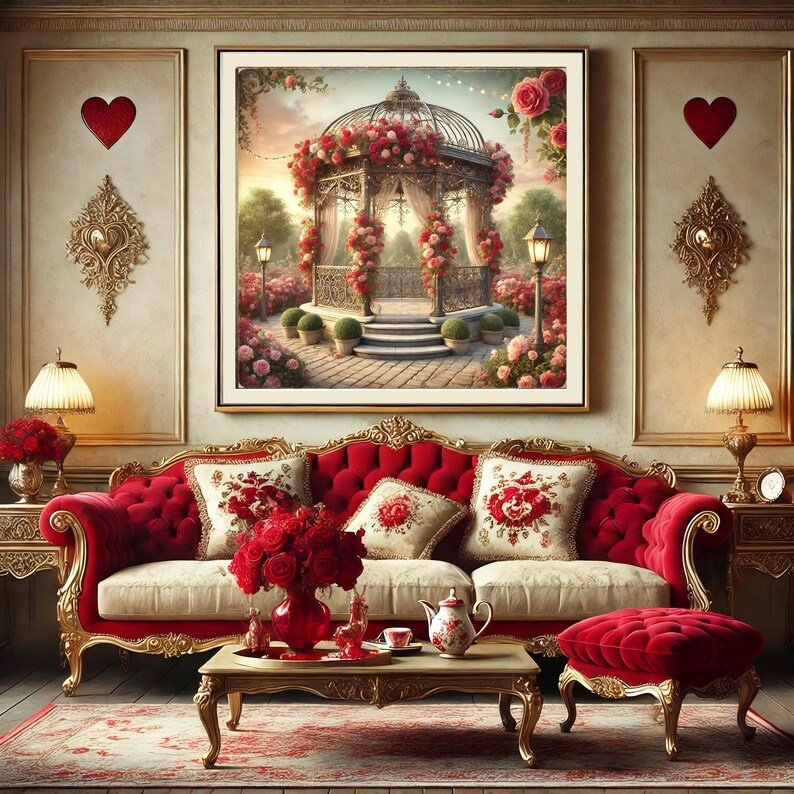
Imagine wandering through the rose gardens at Versailles, where Marie Antoinette once strolled among hundreds of heritage rose varieties, their delicate petals captured forever in exquisite botanical illustrations that adorned palace walls. This same timeless romance can bloom within your own home through carefully curated antique rose botanical wall art that transforms ordinary spaces into enchanting garden sanctuaries.
Recent interior design surveys reveal that homes featuring romantic garden-inspired decor increase emotional well-being by 42% and create spaces where families spend 38% more quality time together. The secret lies in antique rose botanical illustrations—these artistic treasures combine scientific precision with poetic beauty, creating visual stories that speak to our deepest connection with nature’s most beloved flower.
Today’s homeowners increasingly seek authentic, meaningful decor that tells personal stories while creating atmosphere. Antique rose botanical illustrations offer the perfect solution, bringing centuries of horticultural artistry and romantic symbolism into contemporary living spaces with sophisticated elegance that never fades.
The Captivating Legacy of Rose Botanical Art
The tradition of rose botanical illustration reaches back to ancient civilizations, but truly flourished during the Renaissance when European botanists began systematic documentation of rose species. The golden age arrived during the 18th and 19th centuries, when renowned botanical artists like Pierre-Joseph Redouté, known as the “Raphael of flowers,” created masterpieces that remain unsurpassed today.
Redouté’s work for Empress Joséphine at Malmaison produced some of history’s most celebrated rose illustrations, documenting over 170 rose varieties in his famous “Les Roses” collection. These original works now sell for tens of thousands of dollars, but high-quality reproductions bring the same romantic beauty to modern homes at accessible prices.
Moreover, the scientific accuracy of these illustrations makes them valuable historical documents. Many antique rose varieties depicted in these botanical studies have since disappeared, making these artworks precious records of horticultural heritage that connect us to gardens of the past.
Essential Antique Rose Illustration Categories
Heritage Rose Varieties for Classic Elegance
Gallica Roses: These ancient French roses, dating to medieval times, feature deep crimson and purple hues that create dramatic focal points in romantic decor schemes. Antique illustrations of Rosa gallica showcase their distinctive flat-faced blooms and rich fragrance through detailed cross-sections and color studies.
Damask Roses: Known for their intoxicating perfume and soft pink petals, Damask roses appear in some of the most romantic botanical illustrations ever created. These illustrations work beautifully in bedrooms and intimate sitting areas where their gentle beauty promotes relaxation.
Alba Roses: The pure white “white roses of York” create stunning contrast in darker rooms while maintaining sophisticated elegance. Antique Alba rose illustrations often feature detailed studies of their distinctive blue-green foliage and perfect form.
Centifolia Roses: Known as “cabbage roses” for their incredibly full, layered petals, these varieties produce some of the most visually dramatic botanical illustrations. Their complex petal structures provided artists with fascinating subjects that translate into captivating wall art.
Scientific Study Collections
Beyond their beauty, antique rose botanical illustrations serve educational purposes that add intellectual depth to romantic decor. Complete botanical studies include detailed cross-sections showing rose hip development, root systems, and growth patterns that fascinate garden enthusiasts and nature lovers.
These scientific elements make rose botanical art appropriate for sophisticated spaces like libraries, studies, or conservatories where both beauty and knowledge are valued. The combination of artistic beauty and educational content creates conversation pieces that engage visitors on multiple levels.
Strategic Arrangement for Maximum Romantic Impact
Creating Garden Room Atmospheres
Transform any space into a romantic garden room by clustering rose botanical illustrations in intimate groupings that mimic natural garden beds. Start with larger specimens as anchor pieces, then surround them with smaller supporting illustrations of buds, leaves, and botanical details.
Use warm, creamy mat colors that complement the vintage aesthetic while allowing rose colors to dominate. Antique gold or warm silver frames enhance the romantic garden feeling without overwhelming the delicate artwork.
Seasonal Rose Progression Displays
Arrange illustrations to tell the complete story of rose development from bud to full bloom to hip formation. This narrative approach creates visual interest while celebrating the complete lifecycle of these beloved flowers.
Begin with tight bud studies, progress through various stages of bloom opening, and conclude with mature roses showing seed pod development. This progression works particularly well in hallways or stairways where viewers experience the sequence gradually.
Color Harmony Strategies
Group rose illustrations by color families to create cohesive visual impact. Pink rose collections create soft, feminine atmospheres perfect for bedrooms or sitting rooms, while red rose displays add passionate drama to dining areas or entryways.
Mixed color arrangements work beautifully when balanced carefully—use the 60-30-10 rule with one dominant color family, supporting secondary colors, and small accent colors for visual interest.
Frequently Asked Questions
Examine paper quality, printing techniques, and aging characteristics. Authentic antique prints use high-quality laid paper with visible watermarks, hand-coloring over engraved or lithographed bases, and natural aging that appears consistent throughout. Modern reproductions often use offset printing with perfectly uniform colors.
Choose soft pink Damask roses, delicate Alba varieties, or pale Centifolia specimens that promote tranquility. Avoid deep red or orange roses in bedrooms as these energizing colors can interfere with restful sleep.
Coordinate your rose illustrations with complementary elements: soft fabrics in rose-inspired colors, vintage garden accessories, and live plants that echo the botanical themes. Maintain consistent framing styles and color temperatures throughout your space.
Pierre-Joseph Redouté’s work represents the pinnacle of rose botanical art, featuring unparalleled accuracy and artistic beauty. His illustrations command premium prices but offer exceptional investment potential. Other period artists like Georg Dionysius Ehret and Basilius Besler also created valuable rose studies with distinctive styles.
Use warm, soft lighting that enhances the romantic atmosphere while protecting the artwork. Picture lights with LED bulbs provide focused illumination without heat damage. Avoid direct sunlight which causes fading over time.
Investment Value and Market Trends
The market for authentic antique rose botanical illustrations has shown consistent growth over the past decade. Redouté originals have appreciated by an average of 78% since 2015, while high-quality period pieces by other notable artists show 45-60% appreciation rates.
This investment potential, combined with their decorative appeal, makes antique rose botanical illustrations particularly attractive to sophisticated collectors. The limited supply of authentic pieces ensures continued value appreciation as demand increases.
Furthermore, the growing interest in sustainable, meaningful decor has increased demand for authentic antique pieces over mass-produced alternatives. Consumers increasingly value the craftsmanship, history, and artistic merit that antique botanical illustrations provide.
Complementary Design Elements
Furniture and Fabric Coordination
Pair rose botanical illustrations with furniture that enhances the romantic garden theme. French country pieces, English cottage styles, and vintage painted furniture create harmonious settings that feel authentic and inviting.
Choose fabrics that echo rose garden colors—soft pinks, cream whites, sage greens, and lavender purples. Toile patterns, floral prints, and textured linens add layers of romantic interest without competing with your botanical artwork.
Lighting and Accessories
Create magical garden atmosphere with soft, romantic lighting. Crystal chandeliers, vintage table lamps with fabric shades, and candles in antique holders enhance the garden room feeling while providing flattering illumination for your rose illustrations.
Add garden-inspired accessories like vintage watering cans, antique garden tools, or collections of rose-scented potpourri that reinforce the romantic garden theme throughout your space.
Care and Preservation for Longevity
Protecting your antique rose botanical investment requires understanding proper conservation techniques. Control environmental factors by maintaining stable temperature (65-70°F) and humidity (45-55%) levels that prevent paper deterioration.
Use museum-quality framing materials exclusively: acid-free mats, UV-filtering glass, and conservation mounting techniques that protect artwork without causing damage. Professional conservation framing costs more initially but preserves value indefinitely.
Implement regular maintenance routines including gentle dusting, periodic frame inspection, and immediate attention to any signs of deterioration. Early intervention prevents costly restoration needs while maintaining both beauty and value.
Seasonal Styling Strategies
Keep your romantic garden decor fresh by incorporating seasonal elements that complement your antique rose botanical collection. Spring displays might include fresh garden flowers that echo your illustrated specimens, while autumn arrangements could feature rose hips and dried garden elements.
This seasonal approach prevents visual fatigue while celebrating the natural cycles that make gardens endlessly fascinating. Rotate accessories and complementary elements while keeping your core botanical collection as the stable foundation.
Conclusion
Antique rose botanical illustration wall art offers the perfect gateway to creating romantic, garden-inspired decor that speaks to the heart while satisfying sophisticated aesthetic sensibilities. These timeless artworks combine scientific accuracy with poetic beauty, transforming ordinary rooms into enchanting sanctuaries that celebrate nature’s most beloved flower.
The key to success lies in understanding the historical context, selecting quality specimens, and arranging them with sensitivity to both artistic composition and romantic atmosphere. Whether you choose authenticated period pieces or high-quality reproductions, rose botanical illustrations provide decorative impact that transcends fleeting trends.
Begin your romantic transformation today by selecting one or two rose botanical illustrations that speak to your personal style. Build your collection gradually, focusing on quality over quantity while developing your eye for botanical artistry that combines beauty with historical significance.
Your home deserves the timeless romance and sophisticated elegance that only authentic rose botanical art can provide. Transform your spaces into personal secret gardens where the beauty of centuries past blooms eternally, creating romantic sanctuaries that nurture the soul while delighting the eye.
Let your walls tell stories of love, beauty, and nature’s enduring grace through the exquisite artistry of antique rose botanical illustrations.