
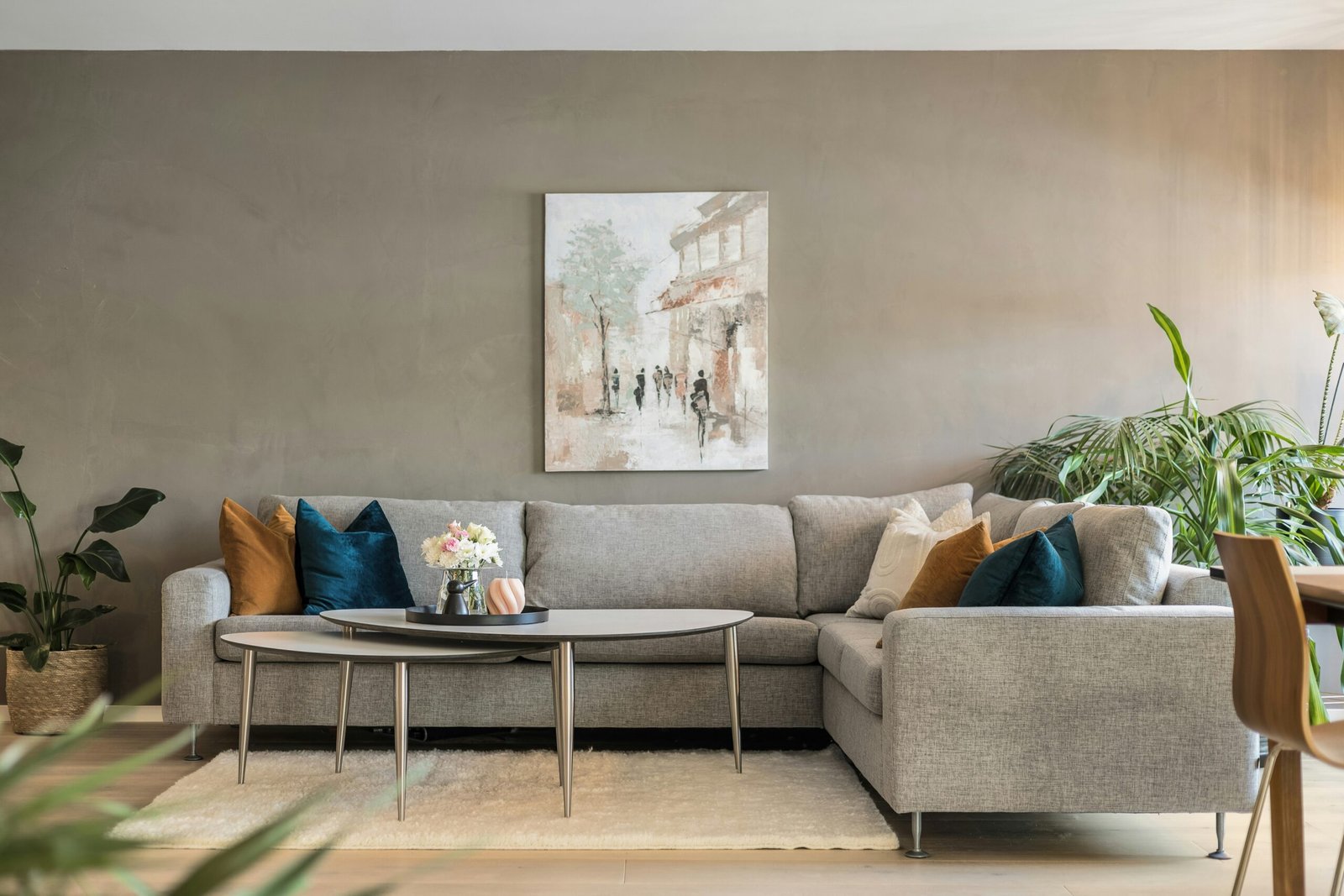
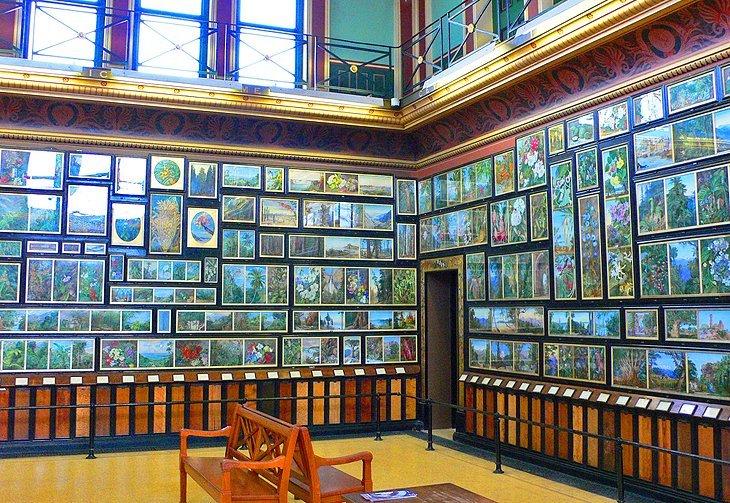
Imagine walking into your home and feeling like you’ve stepped into the prestigious halls of the Royal Botanic Gardens or the Smithsonian’s Natural History Museum. Now, picture achieving this transformation without breaking the bank or requiring extensive renovations. The secret lies in the timeless elegance of vintage botanical plant illustrations – nature’s own masterpieces that have captivated collectors, designers, and plant enthusiasts for centuries.
These exquisite artworks don’t just decorate your walls; they tell stories of scientific discovery, artistic mastery, and humanity’s enduring fascination with the natural world. Whether you’re a seasoned interior designer, a budding plant parent, or someone who simply appreciates the intersection of art and science, vintage botanical illustrations offer an unparalleled way to bring sophistication and natural beauty into your living space.
The Fascinating History Behind Botanical Illustrations
Botanical illustrations emerged during the Renaissance period when scientists and explorers needed accurate visual records of newly discovered plant species. These detailed drawings served as scientific documentation before photography existed, making them invaluable resources for botanists, pharmacists, and researchers worldwide.
During the 18th and 19th centuries, renowned botanical artists like Georg Dionysius Ehret, Pierre-Joseph Redouté, and Maria Sibylla Merian created masterworks that combined scientific precision with artistic beauty. Their illustrations graced the pages of prestigious botanical journals and expedition reports, documenting everything from exotic orchids to common medicinal herbs.
Today, these historical treasures have found new life as sophisticated wall art that bridges the gap between scientific heritage and contemporary interior design. The global vintage art market, valued at over $65 billion, continues to show strong demand for authentic botanical prints, with some original pieces selling for thousands of dollars at auction.
Why Vintage Botanical Illustrations Create Museum-Quality Ambiance
Instant Sophistication and Timeless Appeal
Vintage botanical illustrations possess an inherent elegance that transcends design trends. Their muted color palettes, intricate line work, and scientific precision create a sophisticated atmosphere that feels both scholarly and inviting. Unlike mass-produced artwork, these pieces carry authentic historical weight that guests immediately recognize and appreciate.
Educational Value Meets Aesthetic Beauty
Each illustration tells a unique story about plant anatomy, growth patterns, and botanical classification. This educational component transforms your walls into conversation starters while satisfying our natural curiosity about the plant kingdom. Studies show that exposure to nature-themed artwork can reduce stress levels by up to 60% and improve overall well-being.
Versatility Across Interior Design Styles
Whether your home features modern minimalism, farmhouse chic, or traditional décor, botanical illustrations seamlessly integrate into any design scheme. Their neutral tones and organic subjects complement both bold statement walls and subtle accent pieces, making them remarkably versatile investment pieces.
How to Select and Display Your Botanical Collection
Choosing the Right Prints for Your Space
When curating your collection, consider the scale of your room and the existing color palette. Large-format illustrations work beautifully as focal points above sofas or dining tables, while smaller prints excel in gallery wall arrangements or intimate spaces like powder rooms and reading nooks.
Focus on selecting illustrations that feature plants relevant to your interests or geographic region. Native species create meaningful connections to your local ecosystem, while exotic specimens from distant lands add an element of wanderlust and discovery to your décor.
Creating Cohesive Gallery Walls
Professional designers recommend grouping botanical prints in odd numbers (3, 5, or 7 pieces) for maximum visual impact. Maintain consistent matting and frame styles to create unity while allowing the individual illustrations to shine. Consider varying the sizes slightly to add dynamic interest without creating chaos.
Proper Framing and Preservation
Invest in UV-protective glass and acid-free matting to preserve your prints for generations. Museum-quality framing not only protects your investment but also enhances the authentic museum aesthetic you’re striving to achieve. Many collectors choose simple black or natural wood frames that don’t compete with the artwork itself.
Frequently Asked Questions About Vintage Botanical Illustrations
While original prints command higher prices due to their historical significance, high-quality reproductions offer the same aesthetic impact at a fraction of the cost. Many museums sell excellent reproductions of their collections, making this art form accessible to budget-conscious decorators.
Look for printing techniques consistent with the claimed era, examine paper quality and aging patterns, and research the publication source. Reputable dealers provide provenance documentation and authenticity certificates for valuable pieces.
Keep illustrations away from direct sunlight, maintain stable humidity levels, and dust frames regularly with a soft cloth. Professional conservation may be necessary for particularly valuable or damaged pieces.
Absolutely! Botanical prints pair beautifully with landscape paintings, scientific diagrams, and even contemporary photography. The key is maintaining a cohesive color story and similar framing styles throughout your collection.
Popular Plant Species in Vintage Botanical Art
Roses, orchids, and ferns dominate vintage botanical collections due to their intricate beauty and symbolic significance. Medicinal plants like lavender, chamomile, and echinacea were frequently illustrated for pharmaceutical references. Exotic specimens such as bird of paradise, protea, and tropical palms reflect the age of exploration when European botanists documented flora from newly discovered territories.
Tree species, including oak, maple, and fruit trees, appear prominently in agricultural and forestry publications from the 19th century. These larger-format illustrations work particularly well as statement pieces in dining rooms and living areas.
Budget-Friendly Ways to Build Your Collection
Start with digital downloads from museum collections, many of which offer high-resolution botanical prints for immediate download and printing. The Metropolitan Museum of Art, Royal Botanic Gardens Kew, and Biodiversity Heritage Library provide thousands of copyright-free botanical illustrations perfect for home printing.
Estate sales, antique shops, and online marketplaces offer authentic vintage prints at reasonable prices. Look for damaged books that can be carefully dismantled for individual illustrations – often a cost-effective way to acquire genuine vintage pieces.
Consider commissioning local artists to create botanical studies of plants from your own garden. This personalized approach creates unique pieces with special meaning while supporting contemporary botanical artists.
The Psychology of Nature-Inspired Décor
Research consistently demonstrates that incorporating natural elements into interior spaces improves mental health, productivity, and overall life satisfaction. Botanical illustrations provide these benefits without the maintenance requirements of live plants, making them ideal for busy households or those lacking green thumbs.
The scientific precision evident in botanical art appeals to our desire for order and understanding while satisfying our innate connection to the natural world. This combination creates spaces that feel both intellectually stimulating and emotionally comforting.
Conclusion
Transforming your walls with vintage botanical plant illustrations represents more than a decorating decision – it’s an investment in creating a living museum that celebrates the intersection of art, science, and natural beauty. These timeless pieces offer unmatched versatility, educational value, and sophisticated elegance that enhances any interior while connecting us to centuries of botanical discovery and artistic achievement.
Whether you choose authentic vintage prints or high-quality reproductions, your carefully curated collection will serve as a daily reminder of nature’s incredible diversity and humanity’s ongoing quest to understand and document the plant kingdom. Start your botanical journey today, and watch as your walls transform into captivating galleries that inspire curiosity, conversation, and connection with the natural world.