
Picture stepping into the legendary orchid conservatory at Singapore’s National Orchid Garden, where over 1,000 species create a kaleidoscope of exotic beauty that leaves visitors speechless. Now imagine capturing that same intoxicating elegance through carefully curated vintage orchid botanical wall art collections that transform ordinary rooms into extraordinary natural history sanctuaries.
Orchid enthusiasts and interior design professionals have discovered a fascinating trend: vintage orchid botanical prints are becoming the crown jewels of sophisticated home collections. Recent auction data from Christie’s shows that authentic 19th-century orchid illustrations have appreciated by 156% over the past five years, making them both stunning decorative investments and valuable collectibles.
These exquisite botanical treasures offer something that modern photography simply cannot match—the intimate artistry of Victorian-era botanists who spent months documenting each petal, root, and leaf with scientific precision and artistic passion. Today, we’ll explore how to build your own museum-quality vintage orchid collection that rivals the world’s most prestigious natural history institutions.
The Fascinating History Behind Vintage Orchid Botanical Art
The golden age of orchid botanical illustration coincided with the Victorian “orchid fever” of the 1800s, when European collectors paid fortunes for exotic specimens from tropical expeditions. Renowned botanical artists like Walter Hood Fitch, Joseph Dalton Hooker, and Frederick Sander created thousands of detailed orchid studies that combined scientific accuracy with breathtaking artistic beauty.
These original illustrations served as crucial documentation for newly discovered species, often representing the only visual records of orchids that might take decades to bloom again in European conservatories. The meticulous attention to detail required weeks of observation for each illustration, resulting in artworks that capture the essence of these exotic blooms with unparalleled accuracy.
Furthermore, the printing techniques of the era—particularly chromolithography—produced rich, vibrant colors that have retained their brilliance for over a century. This durability, combined with limited print runs, makes authentic vintage orchid botanicals increasingly rare and valuable.
Building Your Vintage Orchid Collection: Essential Categories
Classic Victorian Orchid Series
The most sought-after vintage orchid prints come from famous Victorian botanical publications. “The Orchid Album” by Robert Warner and Benjamin Samuel Williams remains the holy grail for serious collectors, featuring 528 hand-colored lithographs published between 1882 and 1897.
Similarly, Frederick Sander’s “Reichenbachia: Orchids Illustrated and Described” showcases some of the most spectacular orchid illustrations ever created. These four-volume sets, published from 1888 to 1894, contain over 192 chromolithographic plates that represent the pinnacle of botanical art achievement.
Individual plates from these publications now command prices ranging from $200 to $2,500, depending on rarity, condition, and species depicted. Cattleya and Paphiopedilum varieties typically command premium prices due to their dramatic visual appeal.
Exotic Species Showcases
Creating thematic collections around specific orchid genera creates powerful visual narratives that rival museum displays. Consider these captivating collection themes:
Cattleya Collection: These “Queen of Orchids” produce the most dramatic vintage botanical illustrations. Their large, showy blooms and rich colors make stunning statement pieces for dining rooms or entryways.
Paphiopedilum Gallery: Known as “Lady Slipper Orchids,” these unusual blooms create fascinating conversation pieces. Their unique slipper-shaped pouches and intricate patterns make them perfect for study or library displays.
Dendrobium Series: With over 1,800 species, Dendrobium orchids offer incredible variety for collectors. Vintage illustrations showcase everything from delicate white blooms to vibrant purple cascades.
Vanda Arrangements: These epiphytic beauties produce some of the most colorful vintage botanicals, perfect for brightening modern minimalist spaces with exotic tropical flair.
Arrangement Strategies for Maximum Impact
The Scientific Museum Approach
Professional natural history museums arrange orchid collections using systematic botanical classification. Start with a central anchor piece—perhaps a large Cattleya or Vanda illustration—then build supporting displays using related species or geographic groupings.
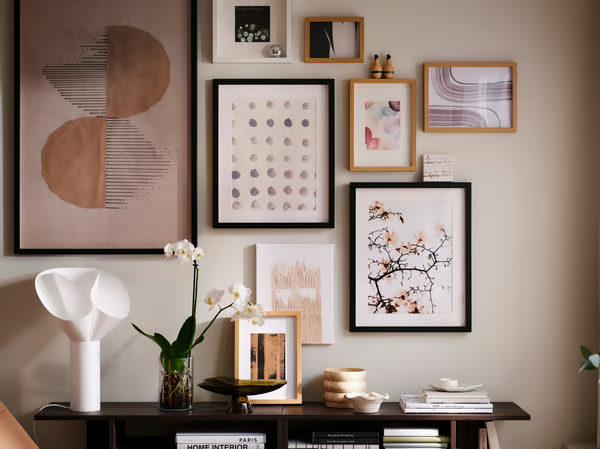
Maintain consistent spacing between frames (3-4 inches for smaller prints, 5-6 inches for larger specimens) and use identical matting colors to create visual unity. Warm white or cream mats complement the vintage aesthetic while allowing the orchid colors to dominate.
Dramatic Color Progression Displays
Arrange orchid prints in color gradients that create visual flow across your wall space. Begin with pale white or cream orchids, progress through pink and purple varieties, and culminate with deep burgundy or chocolate-colored specimens.
This technique works particularly well in hallways or long walls where viewers can experience the color journey gradually. The psychological impact creates memorable impressions that guests discuss long after leaving your home.
Mixed Media Integration
Combine vintage orchid prints with complementary elements that enhance the natural history theme. Antique botanical books, preserved orchid specimens under glass domes, or vintage scientific instruments create layered displays that tell complete stories.
Consider adding small brass plaques with orchid names, discovery dates, and geographic origins. This educational element transforms decorative arrangements into informative exhibitions that engage viewers intellectually.
Frequently Asked Questions
Examine paper quality, printing techniques, and publisher information. Authentic Victorian prints use high-quality paper with visible texture, chromolithographic printing with rich color saturation, and original publisher markings. Reproductions typically use modern offset printing with flatter color reproduction.
Original prints were produced during the initial publication period (typically 1850-1920) using period-appropriate printing methods. Reproductions are modern copies, often digitally enhanced. While reproductions can be beautiful and affordable, original prints hold significantly higher collectible and investment value.
Use conservation-grade materials exclusively: acid-free mats, UV-filtering glass, and sealed frames that prevent moisture infiltration. Avoid direct sunlight and maintain stable temperature/humidity levels. Professional conservation framing costs more initially but protects your investment indefinitely.
Cattleya, Paphiopedilum, Dendrobium, and Vanda species produced the most dramatic Victorian illustrations. These genera offer bold colors, interesting forms, and historical significance that make them perpetually appealing to collectors.
Research recent auction results, consult specialized botanical print dealers, and examine condition carefully. Factors affecting value include rarity, condition, publisher reputation, artistic quality, and current market demand for specific species.
Investment Potential and Market Trends
The vintage botanical print market has demonstrated remarkable stability and growth over recent decades. Orchid prints particularly benefit from several converging trends: increasing interest in biophilic design, growing appreciation for Victorian craftsmanship, and limited supply of authentic specimens.
Market analysts predict continued appreciation for high-quality vintage orchid botanicals, especially as authentic specimens become increasingly rare. The combination of decorative appeal and investment potential makes these collections particularly attractive to sophisticated collectors.
Additionally, the rise of social media has increased awareness and demand for unique, photogenic home decor elements. Vintage orchid botanical collections provide Instagram-worthy backdrops that modern mass-produced art cannot match.
Care and Preservation Secrets
Proper care ensures your vintage orchid collection maintains its beauty and value for generations. Professional conservators recommend these essential preservation practices:
Environmental Control: Maintain stable conditions with temperature between 65-70°F and relative humidity around 50%. Sudden fluctuations cause more damage than gradual seasonal changes.
Light Management: Limit exposure to UV radiation using museum-quality UV-filtering glass and controlled lighting levels below 150 lux for works on paper.
Handling Protocols: Always handle prints with clean, dry hands or cotton gloves. Support prints from beneath when moving, never lift by corners or edges.
Creating Seasonal Rotation Systems
Museum curators rotate displays regularly to prevent light damage and maintain visitor interest. Adopt similar strategies by creating seasonal orchid exhibitions that showcase different species throughout the year.
Spring displays might feature delicate white and pale pink varieties, while autumn collections showcase rich burgundy and chocolate-colored specimens. This rotation system protects your prints while keeping your displays fresh and engaging.
Conclusion
Building a vintage orchid botanical wall art collection transforms your home into a sophisticated natural history sanctuary that celebrates both scientific discovery and artistic mastery. These exquisite illustrations offer timeless beauty that transcends decorating trends while providing investment potential that modern reproductions cannot match.
The key to successful collecting lies in understanding the historical context, recognizing quality specimens, and implementing proper preservation techniques that protect your investment for future generations. Whether you begin with a single spectacular Cattleya or commit to building comprehensive genus collections, vintage orchid botanicals provide decorative impact that rivals the world’s finest natural history museums.
Start your collecting journey today by researching reputable dealers, studying market values, and identifying orchid species that speak to your personal aesthetic. Remember, the most valuable collections combine passion with knowledge, creating displays that educate while they inspire.
Your walls deserve the exotic elegance and historical significance that only authentic vintage orchid botanical prints can provide. Transform your space into a personal orchid conservatory that celebrates centuries of botanical artistry and scientific discovery.