
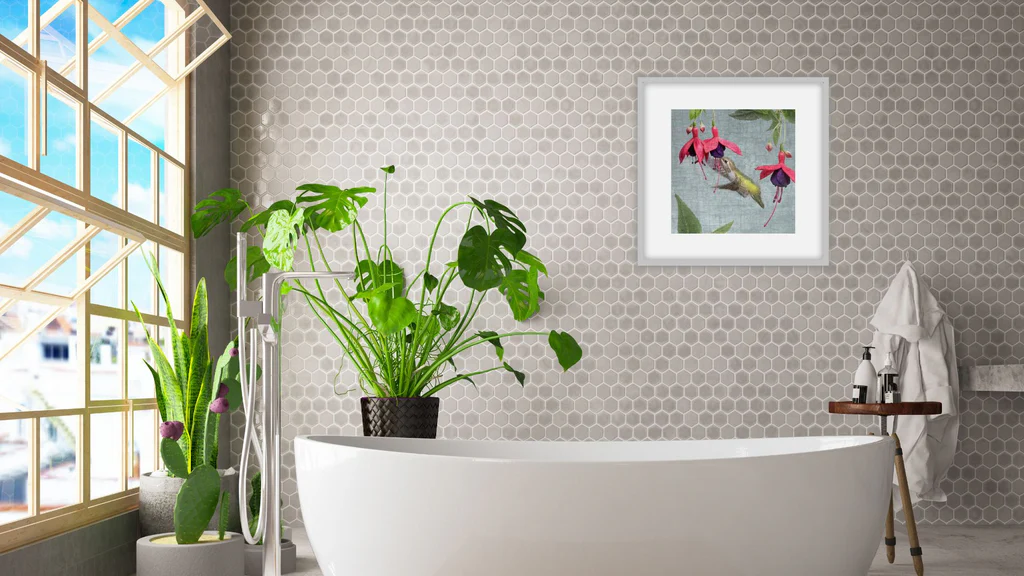
Picture this: You’ve just discovered the perfect vintage botanical print at an estate sale, and you can already envision it gracing your bathroom wall. Then reality hits – will the humidity destroy your precious find? The devastating truth is that countless collectors have watched their beloved vintage artwork deteriorate in poorly ventilated bathrooms, losing both sentimental value and financial investment.
However, with the right ventilation strategies, you can confidently display your treasured vintage pieces in any bathroom while keeping them pristine for generations. Professional conservators and interior designers have developed proven techniques that protect artwork from moisture damage without sacrificing the aesthetic appeal of your sanctuary space.
Whether you own original antique prints, vintage photographs, or heirloom paintings, these essential ventilation tips will safeguard your collection while creating the perfect ambiance in your bathroom retreat.
Understanding the Hidden Threats to Bathroom Artwork
Bathrooms present unique challenges for artwork preservation that many homeowners underestimate. The combination of steam, temperature fluctuations, and inadequate air circulation creates the perfect storm for artwork destruction.
The Science Behind Moisture Damage
When warm, humid air contacts cooler surfaces, condensation forms – and this moisture becomes artwork’s worst enemy. Paper-based pieces absorb humidity from the air, causing expansion and contraction cycles that lead to warping, buckling, and eventual deterioration. Additionally, excess moisture creates ideal conditions for mold growth, which can permanently stain or destroy vintage pieces within weeks.
Studies conducted by the Smithsonian Institution reveal that artwork exposed to humidity levels above 55% for extended periods experiences accelerated aging, with paper-based pieces showing visible damage within six months. Meanwhile, temperature fluctuations greater than 10 degrees Fahrenheit per day can cause materials to expand and contract, leading to cracking and separation.
Why Traditional Bathroom Ventilation Falls Short
Standard bathroom exhaust fans often provide insufficient air exchange rates for artwork protection. Most residential fans only exchange air 8-10 times per hour, while conservators recommend 15-20 air changes hourly for spaces containing valuable artwork. Furthermore, many homeowners run fans for inadequate durations, failing to remove lingering moisture that continues damaging artwork long after showers end.
7 Game-Changing Ventilation Strategies for Artwork Protection
1. Upgrade to High-Performance Exhaust Systems
Replace standard bathroom fans with powerful, quiet models rated for your specific square footage. Look for fans with CFM (cubic feet per minute) ratings that exceed your bathroom’s square footage by at least 50%. For example, a 100-square-foot bathroom needs a minimum 150 CFM fan for adequate artwork protection.
Professional-grade fans with humidity sensors automatically activate when moisture levels rise, providing continuous protection even when you forget to switch them on. These smart systems maintain optimal humidity levels between 30-50%, the sweet spot for artwork preservation.
2. Implement Strategic Air Circulation Patterns
Create cross-ventilation by combining exhaust fans with supply vents or small intake fans. This approach establishes consistent airflow patterns that prevent stagnant humid pockets from forming near your artwork. Position exhaust fans diagonal to artwork locations, ensuring moisture-laden air flows away from valuable pieces.
Consider installing multiple smaller fans instead of one large unit to create more uniform air circulation throughout the space. This strategy proves especially effective in larger bathrooms or those with complex layouts that create air circulation dead zones.
3. Master the Art of Extended Fan Operation
Run exhaust fans for minimum 30 minutes after shower completion – longer for steamy baths or multiple consecutive uses. Many homeowners make the critical mistake of turning fans off immediately after bathing, leaving residual moisture to attack artwork throughout the night.
Install programmable timer switches that automatically extend fan operation, removing human error from the equation. These devices cost under $50 but provide invaluable protection for artwork collections worth hundreds or thousands of dollars.
4. Harness the Power of Dehumidification Technology
Supplement ventilation with compact bathroom dehumidifiers during humid seasons or in naturally damp climates. Modern units designed specifically for bathroom use withstand moisture while quietly maintaining optimal humidity levels around the clock.
Alternatively, consider whole-house dehumidification systems that maintain consistent humidity levels throughout your home. While requiring larger upfront investment, these systems provide superior artwork protection and improved indoor air quality for your entire collection.
5. Position Artwork in Strategic Microclimates
Identify and utilize the driest areas of your bathroom for artwork placement. Walls opposite shower areas typically experience lower humidity levels, while corners near ventilation sources benefit from enhanced air circulation.
Avoid hanging artwork directly above bathtubs or within three feet of shower enclosures, where humidity concentrations reach their peak. Instead, utilize these high-moisture zones for moisture-resistant décor elements while reserving prime, protected locations for your vintage treasures.
6. Create Physical Barriers Against Moisture
Install artwork behind UV-protective, sealed glass or acrylic glazing that prevents direct moisture contact while allowing visual appreciation. Museum-quality framing with moisture barriers and sealed backing provides additional protection layers.
Consider using spacer systems that create air gaps between artwork and wall surfaces, promoting air circulation behind frames and preventing condensation accumulation. These professional techniques mirror methods used in prestigious galleries and museums worldwide.
7. Monitor and Maintain Optimal Environmental Conditions
Install digital hygrometers to continuously monitor humidity and temperature levels near your artwork. These affordable devices ($15-30) provide real-time data that helps you adjust ventilation strategies before damage occurs.
Maintain detailed logs of environmental conditions, noting patterns that correlate with seasonal changes, usage patterns, or ventilation system performance. This data helps optimize your protection strategies while providing early warning signs of potential problems.
Frequently Asked Questions
Absolutely! With adequate ventilation and environmental controls, many museums and galleries successfully display priceless artwork in high-humidity environments. The key lies in maintaining consistent conditions and preventing rapid fluctuations.
Minimum 30 minutes, but ideally until humidity levels return to baseline (typically 45-60 minutes). Humidity sensors or programmable timers eliminate guesswork while ensuring adequate protection duration.
Maintain relative humidity between 30-50% with minimal daily fluctuations. Levels above 55% accelerate deterioration, while below 30% can cause brittleness in paper-based pieces.
While reproductions cost less to replace, they still deserve protection from moisture damage. High-quality reproductions can last decades with proper ventilation, making the investment in environmental controls worthwhile.
Unframed pastels, watercolors, and works on paper are most vulnerable to humidity damage. Oil paintings and properly framed pieces generally withstand bathroom conditions better with adequate ventilation.
Advanced Protection Techniques for Serious Collectors
Climate-Controlled Display Cases
For extremely valuable pieces, consider museum-quality display cases with built-in climate control systems. These sealed environments maintain perfect conditions regardless of surrounding bathroom humidity while providing security against accidental damage.
Smart Home Integration
Connect ventilation systems to smart home platforms that automatically adjust based on weather forecasts, seasonal humidity patterns, or usage schedules. Advanced systems can even send alerts when environmental conditions threaten your artwork collection.
Professional Conservation Consultation
Engage professional art conservators to assess your specific pieces and recommend customized protection strategies. Their expertise proves invaluable for irreplaceable family heirlooms or valuable antique acquisitions.
The Long-Term Benefits of Proper Ventilation Investment
Implementing comprehensive ventilation strategies protects more than just your artwork – it enhances your entire bathroom environment. Improved air quality reduces mold and mildew growth, eliminates odors, and creates a more comfortable space for daily use.
Furthermore, proper ventilation prevents structural damage to bathroom surfaces, protecting your home’s value while preserving your artistic investments. The relatively small cost of ventilation upgrades pales compared to replacing damaged artwork or repairing moisture-related structural problems.
Emergency Response for Moisture Exposure
Despite best preventive efforts, accidents happen. When artwork experiences unexpected moisture exposure, immediate action prevents permanent damage. Remove affected pieces to dry, well-ventilated areas and consult conservation professionals within 48 hours for valuable originals.
Document any changes in appearance with photographs, as insurance claims often require visual evidence of damage progression. Never attempt DIY restoration on valuable vintage pieces, as improper techniques can cause irreversible harm.
Conclusion
Protecting vintage bathroom artwork requires strategic thinking, proper equipment, and consistent maintenance – but the rewards justify every effort invested. Your cherished vintage pieces can safely grace bathroom walls for decades when supported by effective ventilation systems and environmental controls.
Start implementing these essential ventilation tips today, beginning with the most critical upgrades for your specific situation and budget. Remember that artwork protection is an ongoing process, not a one-time fix, requiring regular monitoring and maintenance to ensure continued success.
Transform your bathroom into a gallery-worthy space where vintage treasures thrive in perfect harmony with necessary humidity control. Your artwork collection deserves nothing less than optimal protection, and these proven strategies deliver exactly that level of preservation excellence.